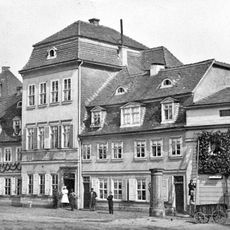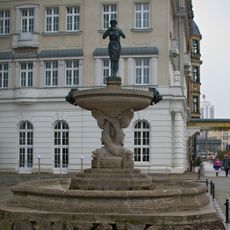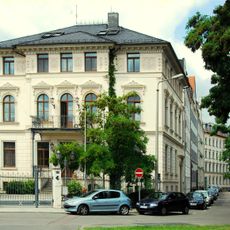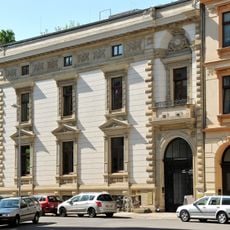
Natural History Museum Leipzig, Natural history museum in Leipzig, Germany
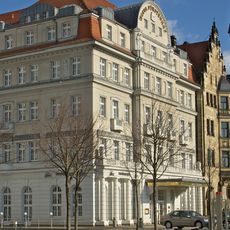
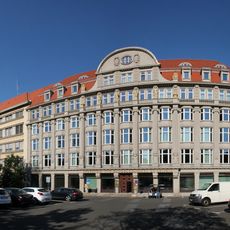
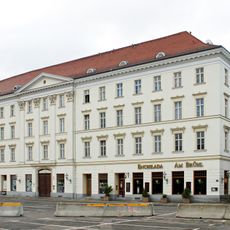
The Natural History Museum Leipzig is a natural science museum at the northwest edge of the city center ring, displaying fossils, rocks, minerals, and plant and animal specimens from the Saxony region. The exhibitions are organized to show how ecosystems work and how life on Earth has changed over time.
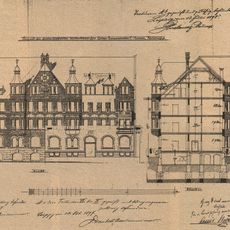
The museum was founded in 1906 to bring together knowledge about the natural world and make it available to the public. The building is now a protected monument and is one of the oldest natural science museums in Saxony.
The museum holds one of the largest insect collections in central Germany, assembled by naturalist Alexander Julius Reichert over several decades. Looking at the display cases gives a sense of how patiently and methodically early naturalists once recorded the animal world around them.
The museum is located on the city ring road and is easy to reach by tram at the Goerdelerring stop. Opening hours vary by day of the week, with weekdays generally offering more time than weekends.
The museum holds the world's largest collection of animal mounts and sculptures by the taxidermist Herman H. ter Meer (1871–1934), taken over from Leipzig University. These specimens are to be gathered into a rising sculpture of animal bodies called the "Tour de ter Meer", presenting the food chain as a trophic pyramid.
The community of curious travelers
AroundUs brings together thousands of curated places, local tips, and hidden gems, enriched daily by 93,816 contributors worldwide.