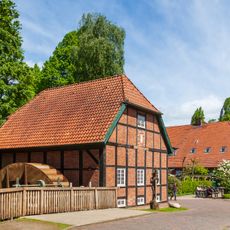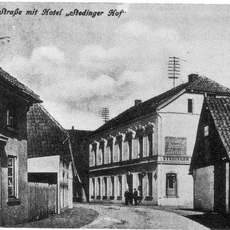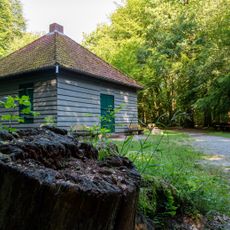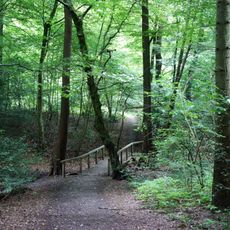
Kloster Hude, Cistercian monastery in Hude, Germany.
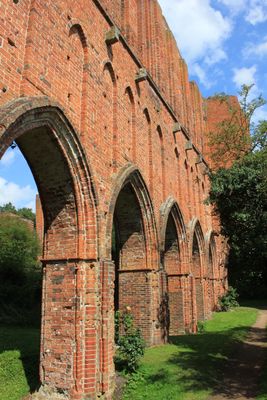
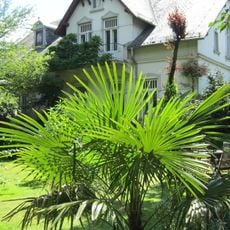
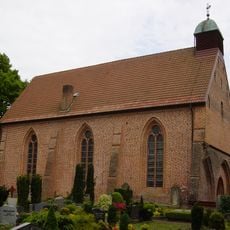
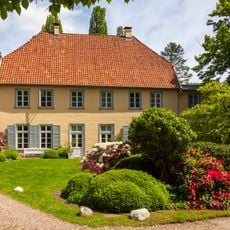
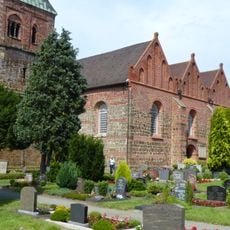
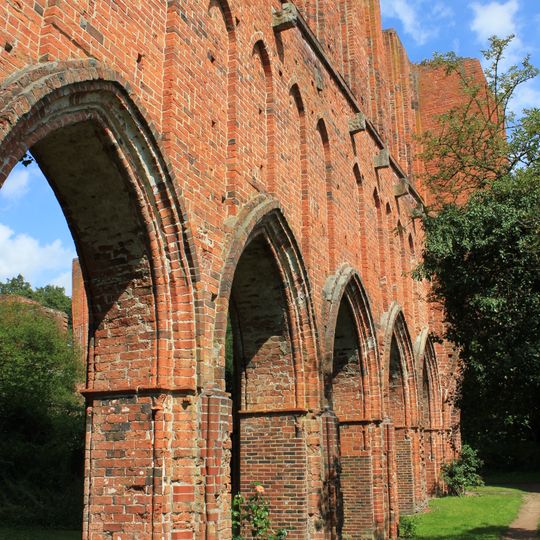
Kloster Hude is a medieval Cistercian monastery in the town of Hude, in the state of Lower Saxony, Germany, preserved today largely as a ruin. The standing walls are built in the Brick Gothic style, with pointed arches and triforium elements still visible in the church remains, while the former abbot's house has been converted into a residential building.
The monastery was founded in 1232 as a daughter house of Mariental and became the burial site of the counts of Oldenburg. The Reformation led to its dissolution in 1536, after which the property passed through several different owners over the following centuries.
The ruins of Kloster Hude are used today for open-air events and gatherings, giving the site a role in local life beyond simple sightseeing. The pointed arches of the old church walls form a natural backdrop that visitors can walk around and photograph.
The grounds are privately managed by the von Witzleben family, so it is a good idea to check current access conditions before visiting. Parts of the ruins are accessible from the outside, but uneven ground and open stonework mean sturdy footwear is helpful.
The monks who lived here produced and sold their own bricks, which were distributed across the surrounding area and helped shape the look of local buildings for generations. Some of those original bricks are still visible in the standing walls today, showing a warmer red tone than later materials used in the region.
The community of curious travelers
AroundUs brings together thousands of curated places, local tips, and hidden gems, enriched daily by 60,000 contributors worldwide.