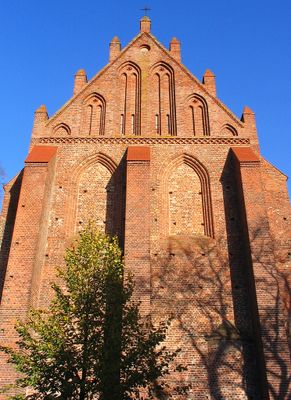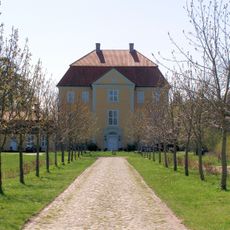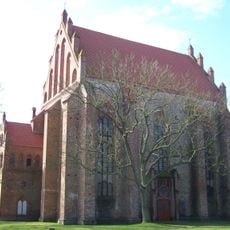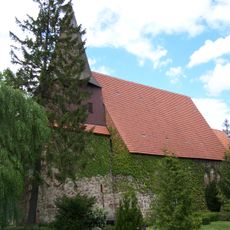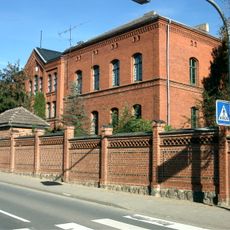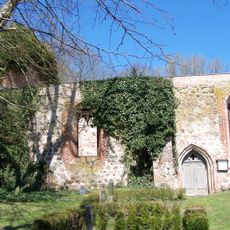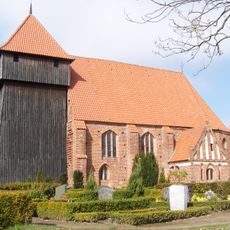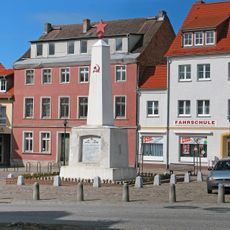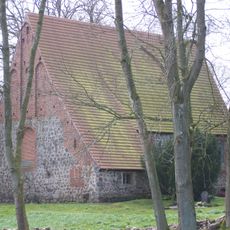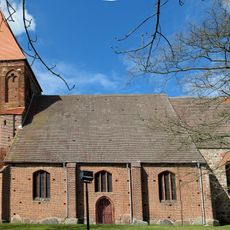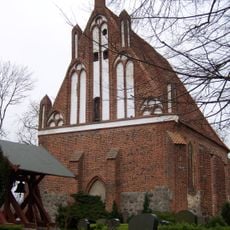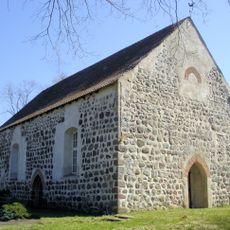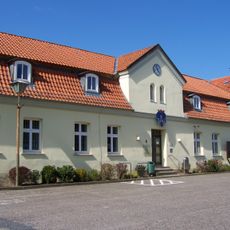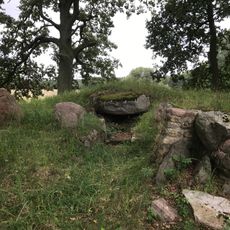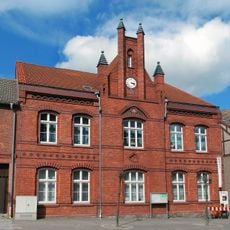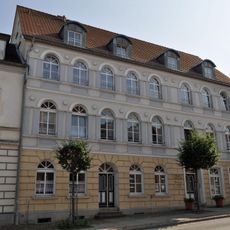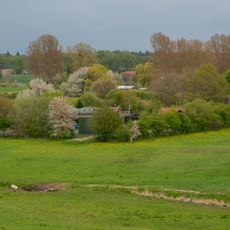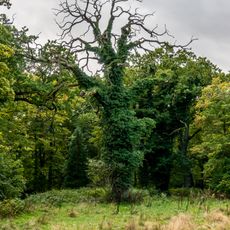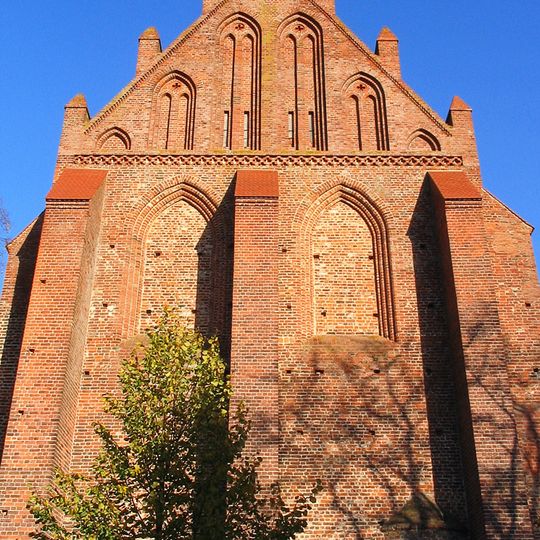
Kloster Neuenkamp, Cistercian monastery ruins in Franzburg, Germany
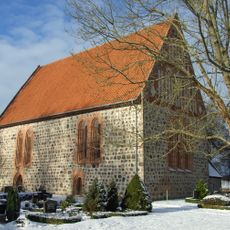
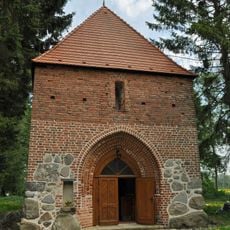
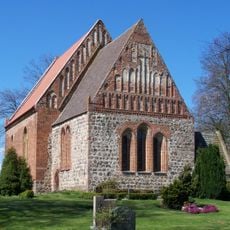
Kloster Neuenkamp is a medieval Cistercian monastery where the southern arm of the original church structure now serves as the parish church of Franzburg. The early church measured 25 meters wide and 90 meters long and was built from brick with Gothic architectural features and crossing wings.
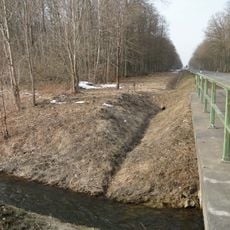
Prince Wizlaw I of Rügen granted permission in 1231 for Abbot Arnold of Kamp to establish this daughter monastery near the Blinde Trebel River. Around 1587 the monastery stones were repurposed to build the city of Franzburg, which was named after Duke Franz of Brunswick-Lüneburg.
The monastery shaped settlement patterns across the region and influenced how the land was used for farming, milling, and fishing. The modern town that grew here reflects centuries of connection to the monastery's role in organizing local life.
The site is accessible today and visitors can see the preserved southern church wing that still functions as an active parish building. The location sits near the river and offers a good starting point for understanding the history of medieval monastic life in the region.
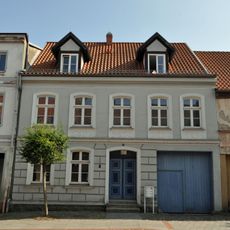
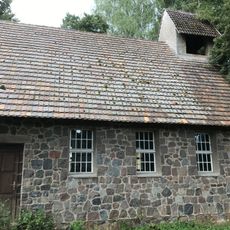
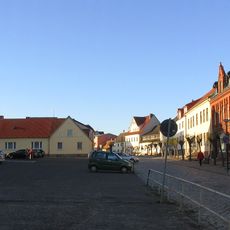
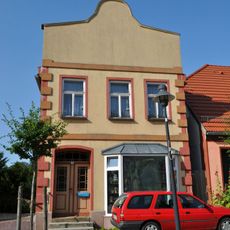
The monastery stones were completely repurposed to build the modern city, and the connection between the ruins and present-day Franzburg remains visibly embedded in the urban landscape. This material transformation is unusually well documented and shows how medieval stone buildings literally became the foundation of an entirely new town.
The community of curious travelers
AroundUs brings together thousands of curated places, local tips, and hidden gems, enriched daily by 91,379 contributors worldwide.