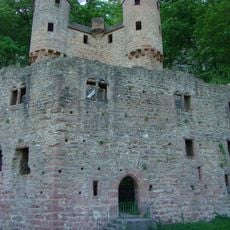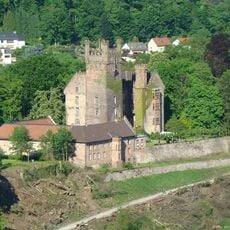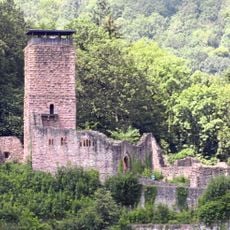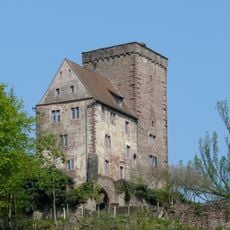
Schönau Abbey, Cistercian monastery in Schönau, Germany
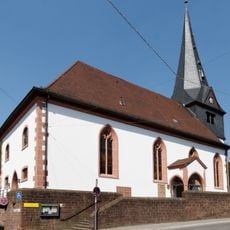
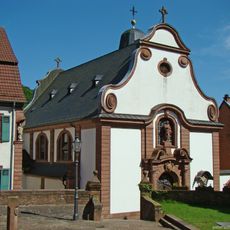
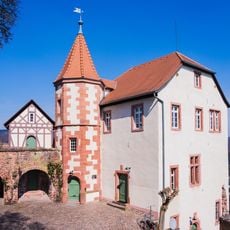
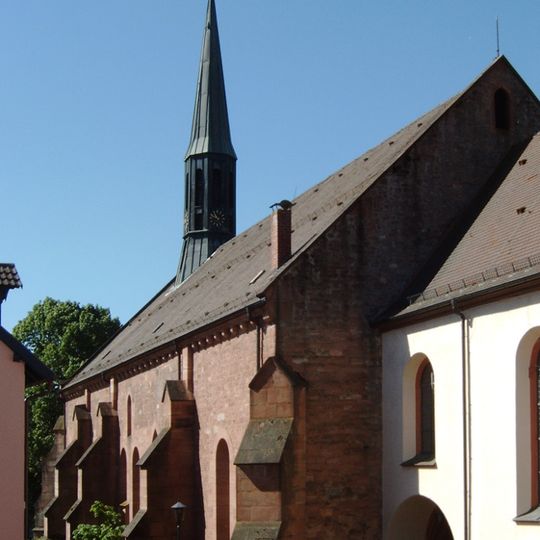
Schönau Abbey is a Cistercian monastery in Schönau, in the German state of Baden-Württemberg, built in the Gothic style. The complex includes a church, a refectory, and a former forge building, all of which are still standing today.
The monastery was founded in 1142 as a daughter house of Eberbach Abbey and served as a burial site for the Staufen family and the Counts of Erbach. It was dissolved in 1558, which opened a new chapter in the life of the site.
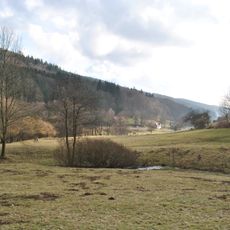
The name Schönau refers to the beautiful meadow where the monastery was built along the river. Today, visitors can see how the complex shaped the town's layout and remains central to the community's identity.
The monastery grounds are in the center of Schönau and easy to reach on foot from the town center. Visiting during daylight hours gives the best view of the surviving buildings and their stonework.
After the monastery closed in 1558, Huguenot refugees from Wallonia settled on the grounds from 1562 onward. This community of French-speaking Protestants left a lasting mark on the site that shaped the town's later story.
The community of curious travelers
AroundUs brings together thousands of curated places, local tips, and hidden gems, enriched daily by 92,653 contributors worldwide.