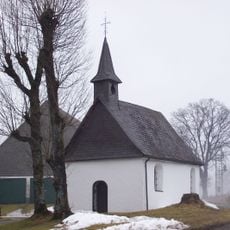
Wittgenstein District, Administrative district in Arnsberg Region, Germany.
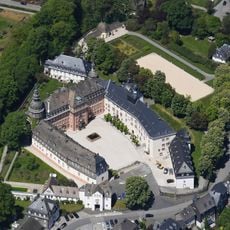
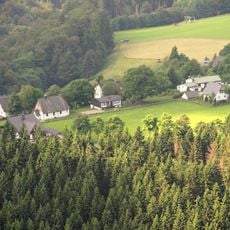
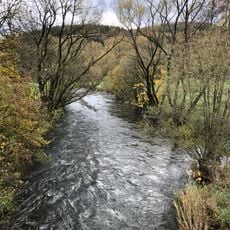
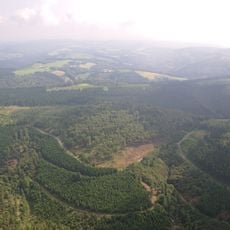
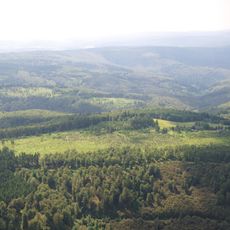
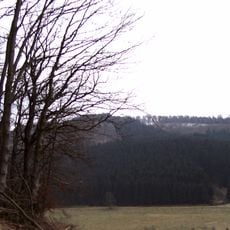
Wittgenstein District is an administrative district in the southeastern part of North Rhine-Westphalia, bordering the Sauerland region and characterized by forested hills and narrow river valleys. Bad Berleburg serves as the seat of local government, sitting at the center of a largely rural area made up of scattered villages and dense woodland.
The district was set up in 1816 as part of Prussian administrative reforms, with Bad Berleburg designated as the main administrative town. Before that, the area had been ruled for centuries by the counts of Sayn-Wittgenstein, a noble family whose influence shaped the settlements and roads of the region.
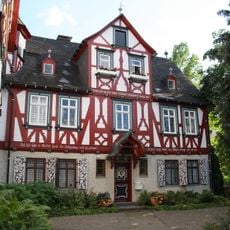
The name Wittgenstein comes from a medieval noble family that once ruled the area, and their legacy is still felt in the names of villages and old manor houses scattered across the hills. Local festivals in the small towns draw people together around folk music, regional food, and seasonal traditions that have stayed alive over generations.
The area is best explored with your own vehicle, as the villages are spread far apart and public transport links are limited. For walking in the forests, sturdy footwear is a good idea since many trails pass through damp woodland and uneven ground.
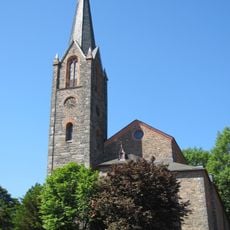
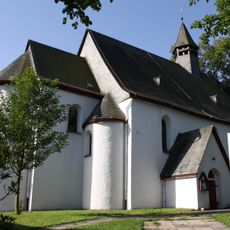
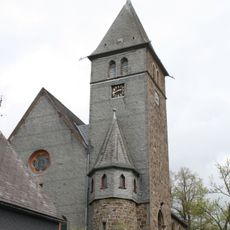
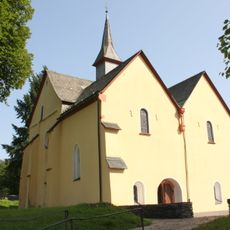
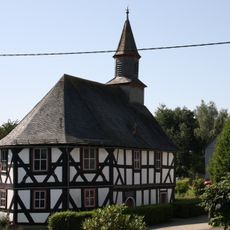
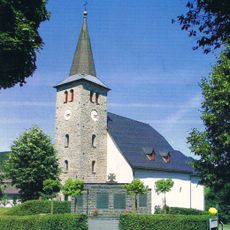
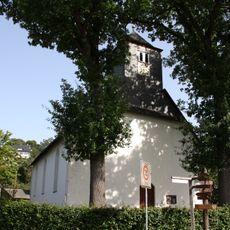
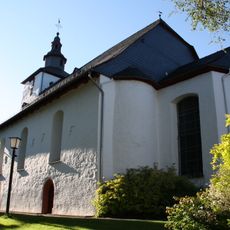
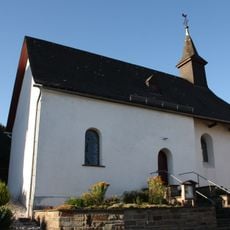
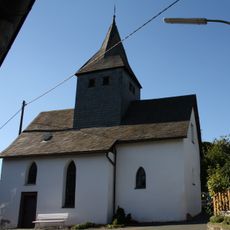
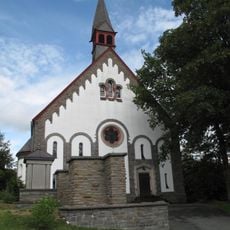
In the 17th and 18th centuries, the territory was one of the few places in Germany where several Protestant denominations were allowed to coexist, which drew religious refugees from across Europe. This unusual tolerance shaped the mix of people who settled here and left traces in the variety of small churches still found in the villages today.
The community of curious travelers
AroundUs brings together thousands of curated places, local tips, and hidden gems, enriched daily by 91,599 contributors worldwide.