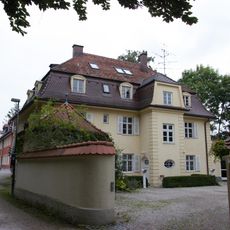
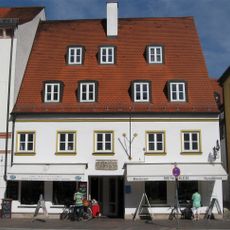
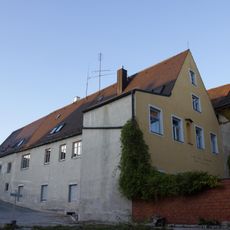
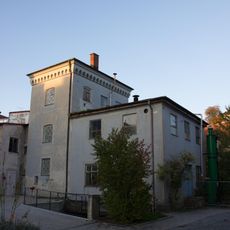
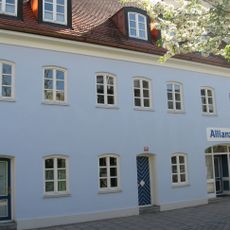
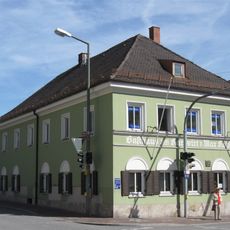
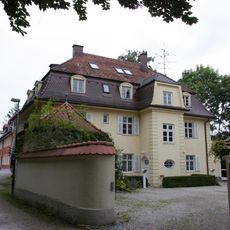
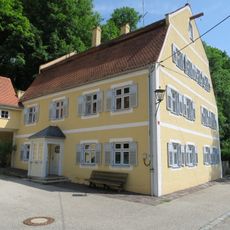
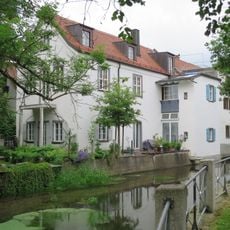
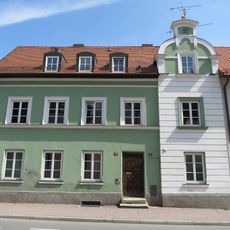
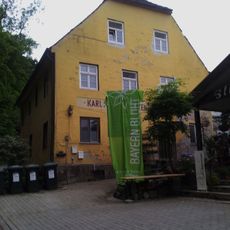
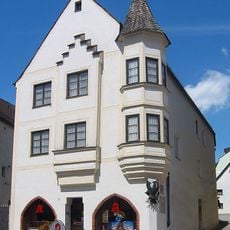
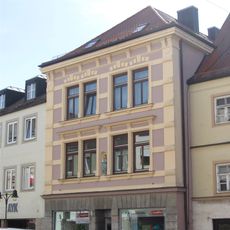
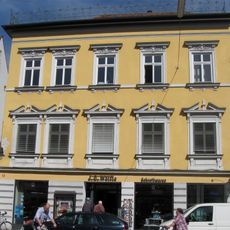
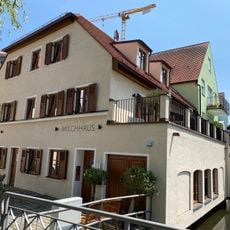
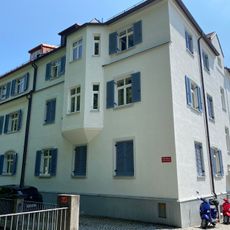
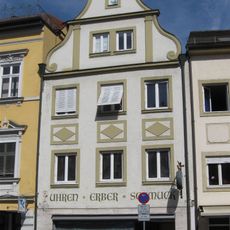
St. Veit, building in Freising, Upper Bavaria, Germany
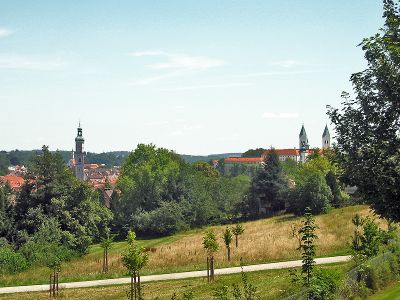
St. Veit in Freising is a former Benedictine monastery with a church founded in the early 9th century, showing the simple architecture of the Romanesque style. The building was later decorated with baroque elements and shaped the religious life of the region for centuries until it closed in the early 1800s.
The church was founded around 833 by Bishop Hitto and served as a center for monastic life and worship in the region. After receiving baroque decoration in the 17th century, the monastery closed in 1802 and the buildings were demolished in 1803, marking the end of a long era of religious life at this site.
Saint Vitus is central to Freising's religious identity and is remembered through various locations and street names throughout the town. His veneration shapes how locals understand protection and faith, especially regarding healing and protection from illness.
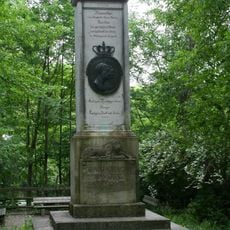
The St. Veit site sits on a small hill at the edge of Freising and is accessible on foot from the town center. A boundary stone still marks the historic limits of the former monastery grounds and helps visitors understand the past layout of this place.
A notable composer and court musician named Placidus von Camerloher became a canon here in 1748 and contributed to the cultural importance of this site. The place was not only a location for prayer but also a gathering point for artists and scholars in the region.
The community of curious travelers
AroundUs brings together thousands of curated places, local tips, and hidden gems, enriched daily by 60,000 contributors worldwide.