Veilhof, Statistical district in Nuremberg, Germany
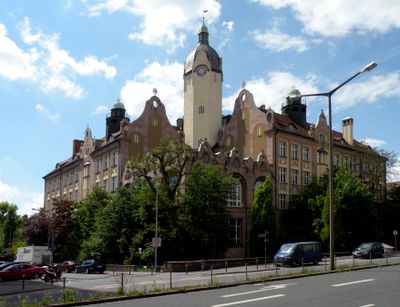
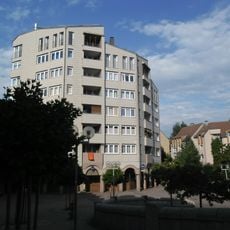
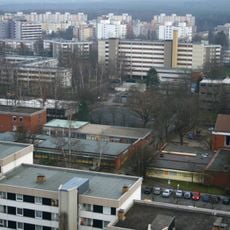
Veilhof is a statistical district in Nuremberg situated between the Wöhrd and Schoppershof neighborhoods. The area extends toward Wöhrder See and features a mix of residential buildings, schools, and local shops concentrated along Sulzbacher Straße.
Veilhof was first recorded in 1449 as "Feielhoff", a name derived from the early New High German word for violet. In the mid-15th century Herdegen Tucher ran a silver-smelting works here, which closed in 1469 because of its enormous wood consumption. Around 1500 the farm was rebuilt as a fortified house; it burned down in the Second Margrave War on 18 May 1552 and was later rebuilt. The village passed to Nuremberg in 1899.
The name Veilhof derives from the early New High German word for violet, likely referring to a person who owned the farm. The settlement was first documented in 1449 as "Feielhoff" and originally comprised six acres of fields and a garden. In the Nuremberg dialect the district is still called "Failhuf".
The area is easily accessible by public transportation, especially via tram line 8 and U-Bahn line 2, which provide quick connections to Nuremberg's city center. Sulzbacher Straße offers numerous daily services including shops and convenient amenities for residents and visitors.
The name Veilhof comes from the early New High German word for violet, 'veiol', and may refer to a person who owned the farmstead. The place was first recorded in writing in 1449 as 'Feielhoff', when it consisted of six acres of fields and a garden.
The community of curious travelers
AroundUs brings together thousands of curated places, local tips, and hidden gems, enriched daily by 93,762 contributors worldwide.