Theodor-Zink-Museum, Cultural heritage museum in Kaiserslautern, Germany.
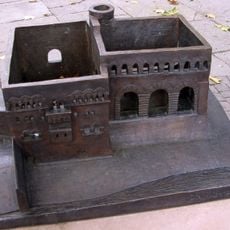
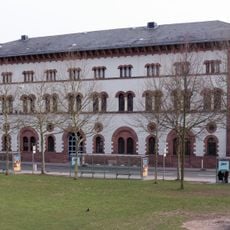
Theodor-Zink-Museum occupies a historic building that once served as a brewery and malt house. The structure contains exhibition spaces displaying regional collections that document the city and its surroundings.
Theodor Zink, a local researcher and conservator, began showing his collection in 1925 in rooms provided by the city. The museum opened in 1934 in the former Spittelmühle at Stiftsplatz; Zink died weeks before. During World War II the collections were moved to various sites, and in 1978 the museum relocated to a converted four-sided farmstead.
The museum displays objects and documents that tell the story of regional life and development. Visitors can see how the city transformed over centuries through daily artifacts and local records.
The museum sits at Steinstraße 48 in the city centre, with the neighbouring Wadgasserhof also part of the complex. The permanent exhibition is laid out as a chronological circuit through several rooms, from the 6th–5th millennium BC to the 20th century, so allow time to follow it in order. The barn hosts readings and chamber concerts, which can affect access to parts of the building.
The barrel-vaulted cellar beneath the building predates the museum: it belonged to the four-sided farmstead Johann Gelbert built in 1817 as the coaching inn "Zum Rheinkreis". Gelbert's grandson Carl, a trained brewer, installed a brewery here in 1856, and brewing continued until 1892, with the malthouse running until 1933. The old inn sign of Bender's Hauswirtschaft still hangs on the museum gable.
The community of curious travelers
AroundUs brings together thousands of curated places, local tips, and hidden gems, enriched daily by 93,621 contributors worldwide.