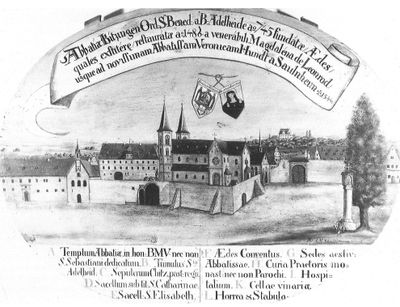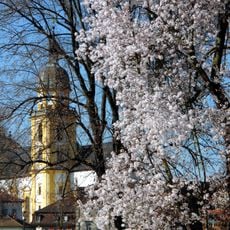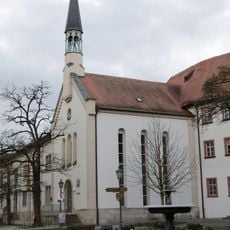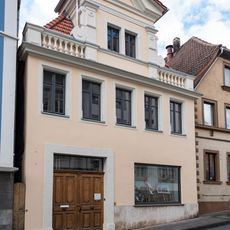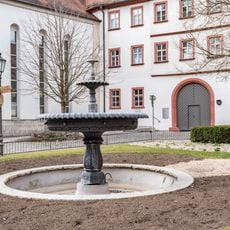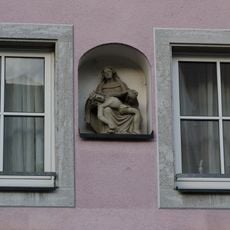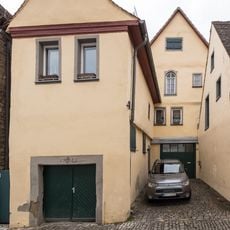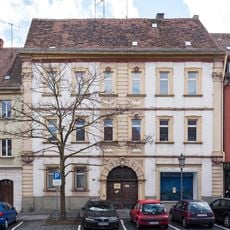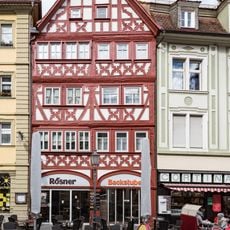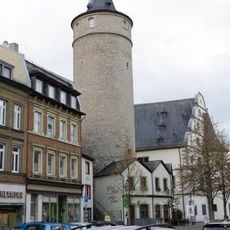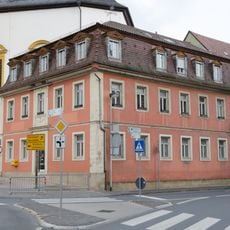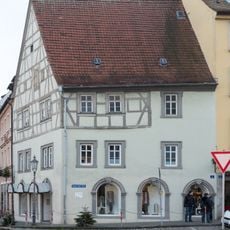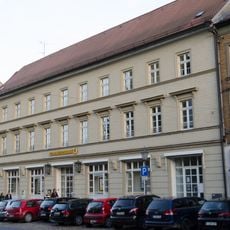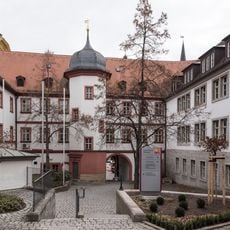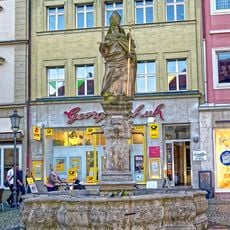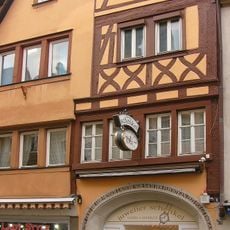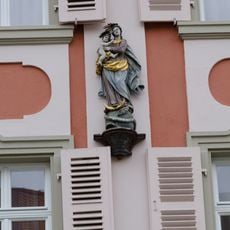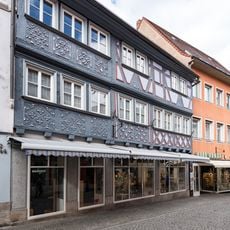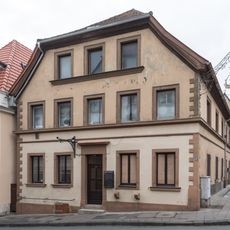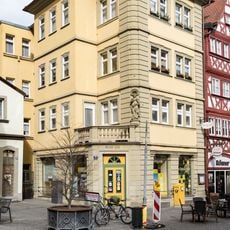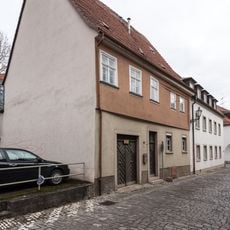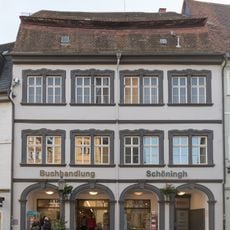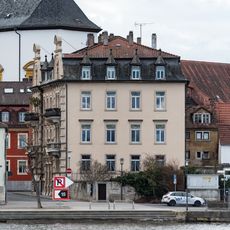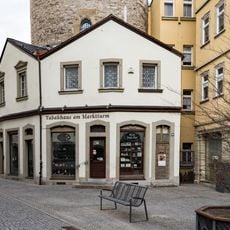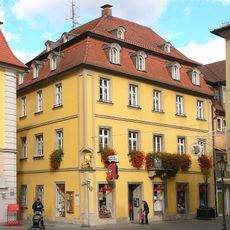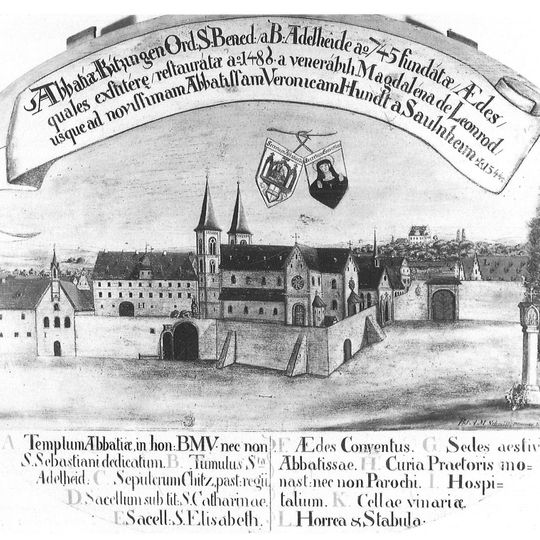
Benediktinerinnenkloster Kitzingen, Benedictine nunnery in Kitzingen, Germany.
Benediktinerinnenkloster Kitzingen is a former convent in Lower Franconia with buildings that show spaces for prayer and communal life of the sisters. The complex retains features of medieval monastic architecture.
The convent was probably renewed in the 8th century under the missionary Boniface, and it is first documented in 748 when Abbot Sturmius of Fulda was nursed there for four weeks. In 1007 Henry II gave it to the newly founded Bishopric of Bamberg, while the Bishops of Würzburg gained growing influence. After dissolution during the Reformation, a women's foundation was established on the site in 1568, replaced in 1660 by an Ursuline convent that was suppressed in 1804.
The convent's name is tied to a legend: the shepherd Kuccingus, to whom Mary appeared to free a stolen lamb from a wolf. In the mid-12th century Abbess Sophia asked Hildegard of Bingen for advice, and Hildegard visited the abbey on the Main and dissuaded her from resigning. Soon after, Hedwig of Andechs, later Duchess of Silesia, was educated here as a pupil.
The buildings can be reached on foot from central Kitzingen, with buses running regularly nearby. Visitors should check beforehand if specific areas are open, as access is sometimes limited depending on current use.
According to local tradition, a shepherd named Kuccingus experienced a vision of Mary that led him to help recover a stolen lamb. His encounter became connected to the origins of the place that would bear his name.
The community of curious travelers
AroundUs brings together thousands of curated places, local tips, and hidden gems, enriched daily by 92,641 contributors worldwide.