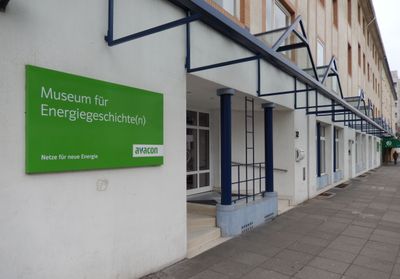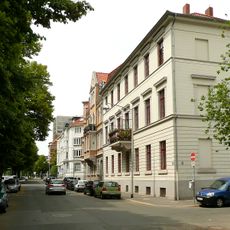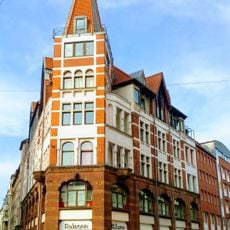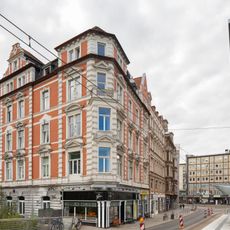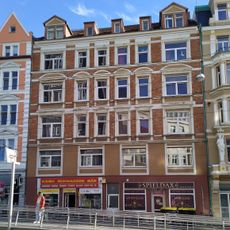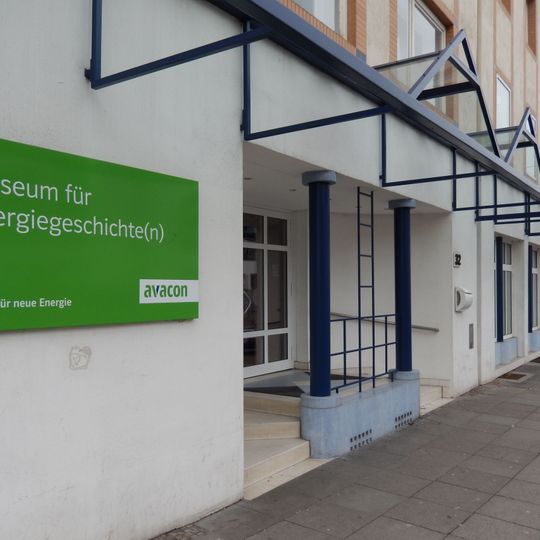
Museum für Energiegeschichte, Energy history museum in Mitte, Germany.
The Museum für Energiegeschichte(n) displays the development of electrical technology from the 18th century to the present across several hundred square meters of exhibition space. The collection features working devices, machines, and equipment that show how people learned to generate and use electricity.
The museum was established in 1979 to document 50 years of company history for a regional energy supplier. The collection work began earlier and preserved objects that illustrate how electrical power systems were built across the region.
The museum's name plays on "Energiegeschichte(n)": Geschichte means history, while the parenthetical plural Geschichte(n) also reads as "stories", so the title covers both energy history and energy stories. From 2020 the museum appeared under the abbreviation "meg". Its special exhibitions took up everyday themes, such as the 2007 show "Flotte Mixer, heiße Öfen. Die Küche wird elektrisch" on the electrification of the kitchen.
The museum closed in spring 2021 for cost reasons, so there is no visiting to plan; its roughly 30,000 stored objects and 3,000-volume library passed to the Historisches Museum Hannover and the Museum August Kestner, as agreed by contract in March 2022. Those institutions are where the collection can now be consulted.
The 1914 exhibit was a 15-kilovolt electricity pylon, not a transmission pole from the early 1900s. The museum also held around 30,000 objects in its depots and a library of some 3,000 volumes, including the historical collection of the Deutsche Grammophon GmbH founded in Hanover in 1898.
The community of curious travelers
AroundUs brings together thousands of curated places, local tips, and hidden gems, enriched daily by 94,265 contributors worldwide.