Göschenhaus Grimma, Publishing museum in Grimma, Germany.
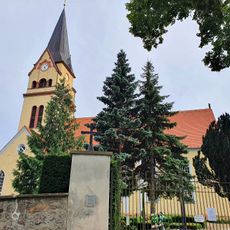
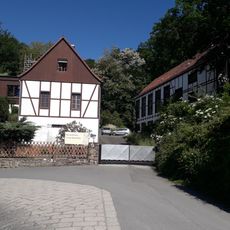
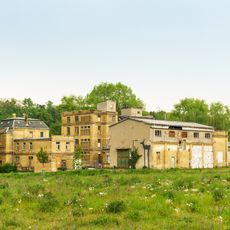
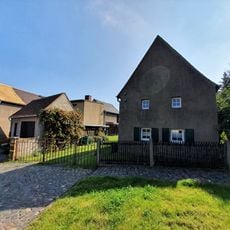
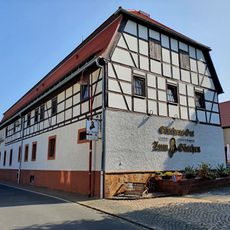
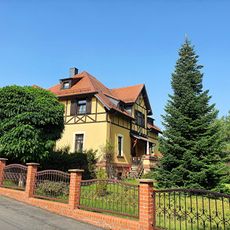
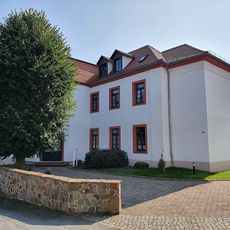
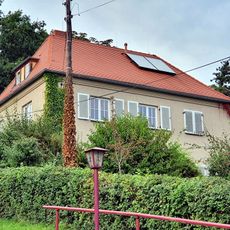
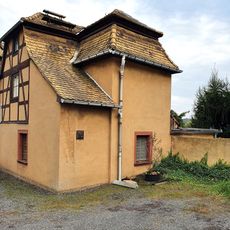
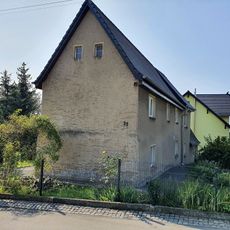
The Göschenhaus is a museum housed in a historic residence where visitors can see furniture, prints, and personal items of publisher Georg Joachim Göschen. The building displays a printing workshop and several rooms with kitchen tools and objects from that period.
Georg Joachim Göschen bought the house and the adjoining estate in 1795 from the horse breeder Wehnert; it was his residence, not a summer home. In 1934 Renate Sturm-Francke acquired it from descendants of the Göschen family and founded the Heimatstube Hohnstädt in 1950, established in the house from 1954. She gave the house to the National Research and Memorial Sites of Classical German Literature in Weimar in 1967; since 1995 it has belonged to the city of Grimma.
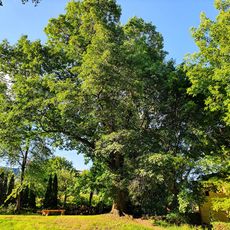
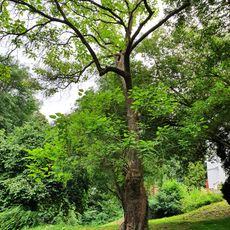
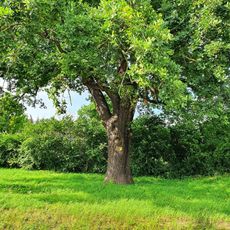
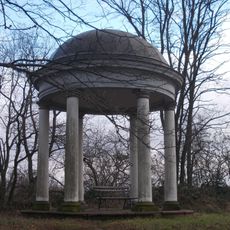
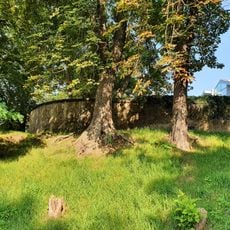
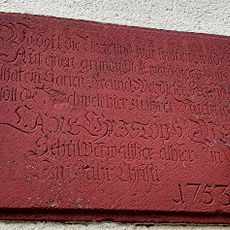
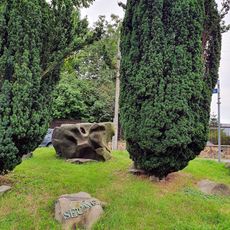
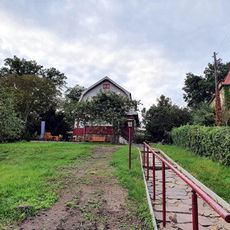
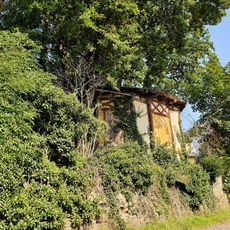
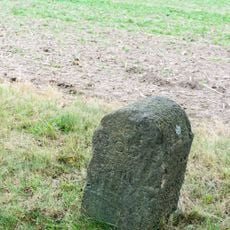
The garden covers about 4,300 square metres and is the only surviving private garden in Saxony laid out in the Neoclassical style, designed as an English landscape garden. On its terraces stand a small theatre stage and the Freundschaftspavillon Amicitiae, built in 1801, where Göschen and Seume met. A stone there carries a verse by Schiller.
The museum is open only on certain days of the week, so it is worth checking ahead before planning a visit. The different rooms are easy to navigate and display the collection across several levels and areas of the house.
The valuable ceiling painting is in the fireplace room (Kaminzimmer), not in the hexagonal annex of 1853 that houses the Seume room. The garden holds a cast of Bertel Thorvaldsen's Hebe, modelled around 1820 after his own 1816 original; Renate Sturm-Francke found it damaged on a vineyard near Radebeul in 1960 and brought it to Grimma.
The community of curious travelers
AroundUs brings together thousands of curated places, local tips, and hidden gems, enriched daily by 93,998 contributors worldwide.