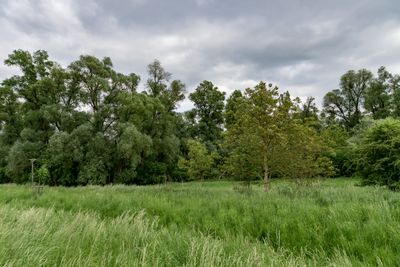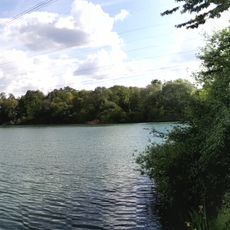
Tongrubengelände von Bensheim und Heppenheim, Protected clay pit area in Hessen, Germany.
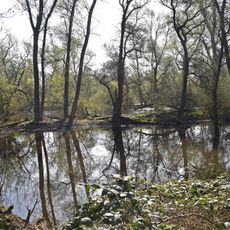
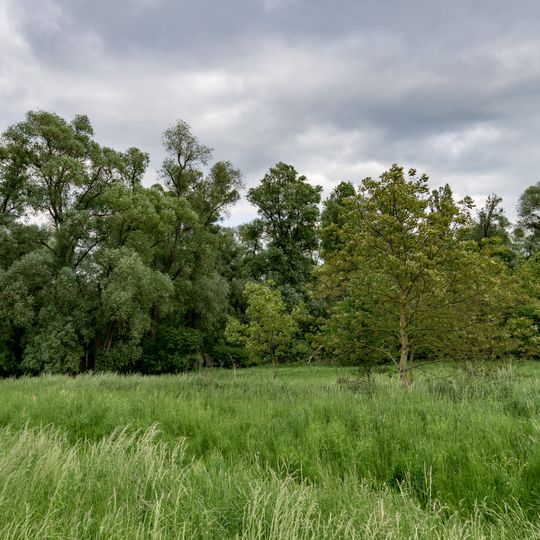
The Tongrubengelände von Bensheim und Heppenheim is a 91.87-hectare nature reserve between the Meerbach stream in southwest Bensheim and the Jochimsee lake in northwest Heppenheim, bounded by a railway to the east and the A5 motorway to the west. Its wild ponds and reed beds, partly overgrown with trees and bushes, occupy former clay pits that filled with groundwater after industrial clay extraction ended in 1960.
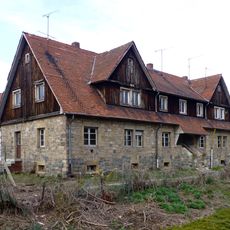
Industrial clay mining operated here from 1900 to 1960. Forced laborers worked in the facilities during World War II, making this a site of historical remembrance.
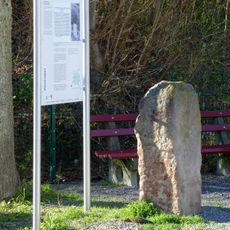
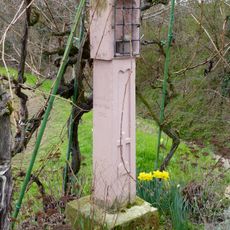
A memorial erected in 2018 at the edge of the reserve in Heppenheim commemorates the forced laborers who kept the clay works running during the Second World War. The site is a place of remembrance for this chapter of the area's industrial past.
Most of the reserve is closed to visitors; the only public viewpoint is the observation hut on the Heppenheim side at the Jägerteiche ponds. The area lies between the railway line to the east and the A5 motorway to the west, with the Meerbach stream marking the south-western edge near Bensheim.
The reserve lies within the EU bird protection area "Hessische Altneckarschlingen", one of 32 sub-areas in four main sections. Around 2,000 years ago the Neckar still meandered through the Hessische Ried here, depositing the clay that was later dug.
The community of curious travelers
AroundUs brings together thousands of curated places, local tips, and hidden gems, enriched daily by 94,652 contributors worldwide.