Fränkisches Museum Feuchtwangen, Regional museum in Feuchtwangen, Germany
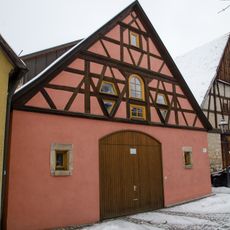
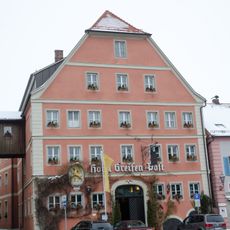
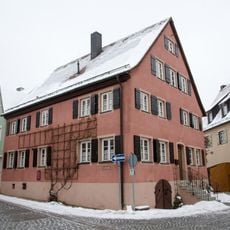
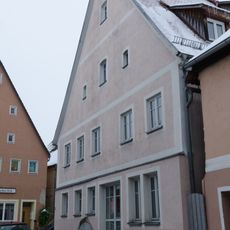
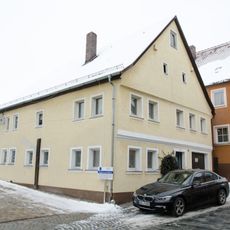
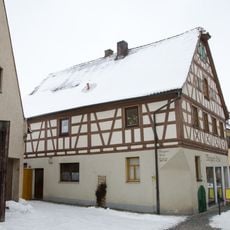
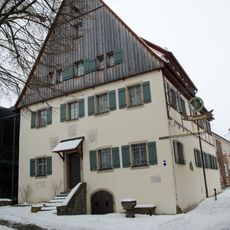
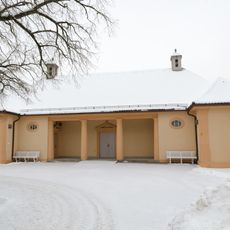
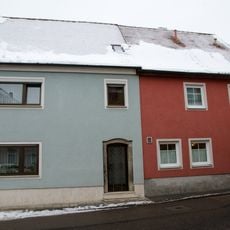
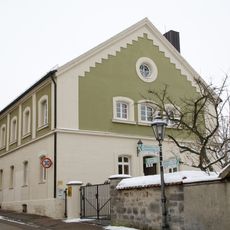
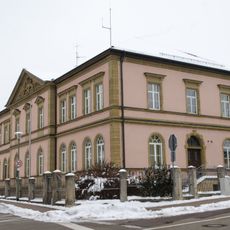
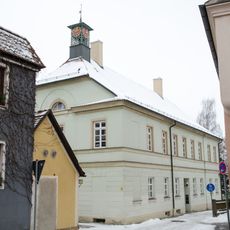
The Fränkisches Museum Feuchtwangen occupies a 17th-century timber-framed Büttnerhaus whose core dates to 1522, expanded in 1965 on the site of the synagogue destroyed in 1939 and again from 2008 with a new foyer and special-exhibition wing. Its over 2,000 m² of exhibition space holds furnished bourgeois and farm interiors from Baroque to Jugendstil, plus systematic specialist collections in the newer buildings.
The museum was founded in 1902 to preserve the region's rural crafts and folk culture. It moved to its present location in 1926, where it has continued to grow its collection ever since.
The museum is run by the Verein für Volkskunst und Volkskunde Feuchtwangen, founded on 29 October 1902 after a district agricultural exhibition with a historical show of old tools and crafts. Its first chairman, Hans Güthlein, built up the Franconian folk art collection shown since 1926 in the timber-framed Büttnerhaus, whose core dates to 1522.
The museum is easily reached on foot from the town center and offers plenty of space to explore at your own pace. Plan enough time to visit the different exhibition areas without feeling rushed.
The 1965 extension was built on the site of the synagogue destroyed in 1939. In the garden, a flax-breaking house with a drying hut, two barns and the hammer forge of Erwin Schäff from Obererlbach were relocated there from 1930 onward as static exhibits.
The community of curious travelers
AroundUs brings together thousands of curated places, local tips, and hidden gems, enriched daily by 93,648 contributors worldwide.