Archäologiepark Gävernitz, Bronze Age burial mounds in Gävernitz, Germany
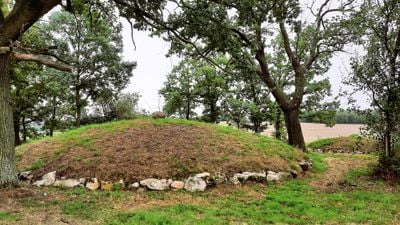
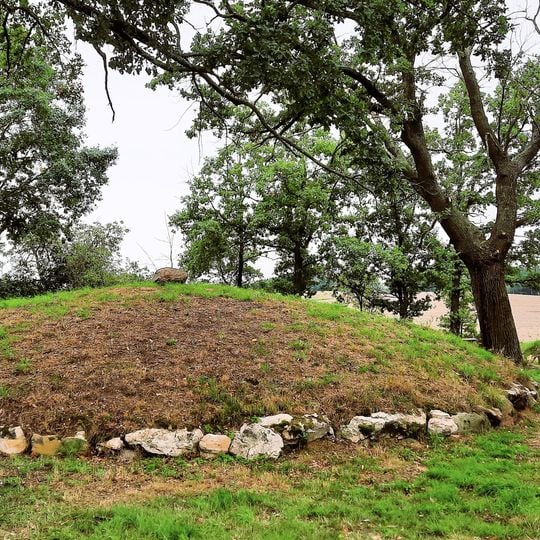
Archäologiepark Gävernitz is an open-air site in Priestewitz, Germany, that presents two reconstructed burial mounds from the Late Bronze Age. The larger of the two mounds measures around 14 meters (46 feet) in diameter and was rebuilt based on archaeological findings to show the original form and structure of such burial sites.
The first remains were found in autumn 1928, when the landowner Balduin Pfeil prepared to use a motor plow and a quartzite block was about to be blasted. Excavation under Gotthard Neumann began on 12 April 1929 and ended on 10 June 1929, with over 19,000 visitors guided across the site. An open-air museum was established from 1929, the first of its kind in Saxony, and lasted until the end of the Second World War.
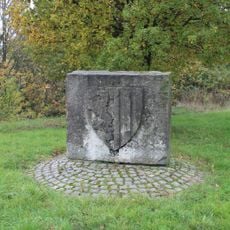
The mounds are also called the "Prince's Graves of Gävernitz," a name that reflects early speculation about the status of the person buried in the large mound. Visitors can see the ring of light gray and white stones at the base of the mound, which marks the original circular layout. The site is associated with the Lusatian culture, whose burial customs are known from many sites in the region.
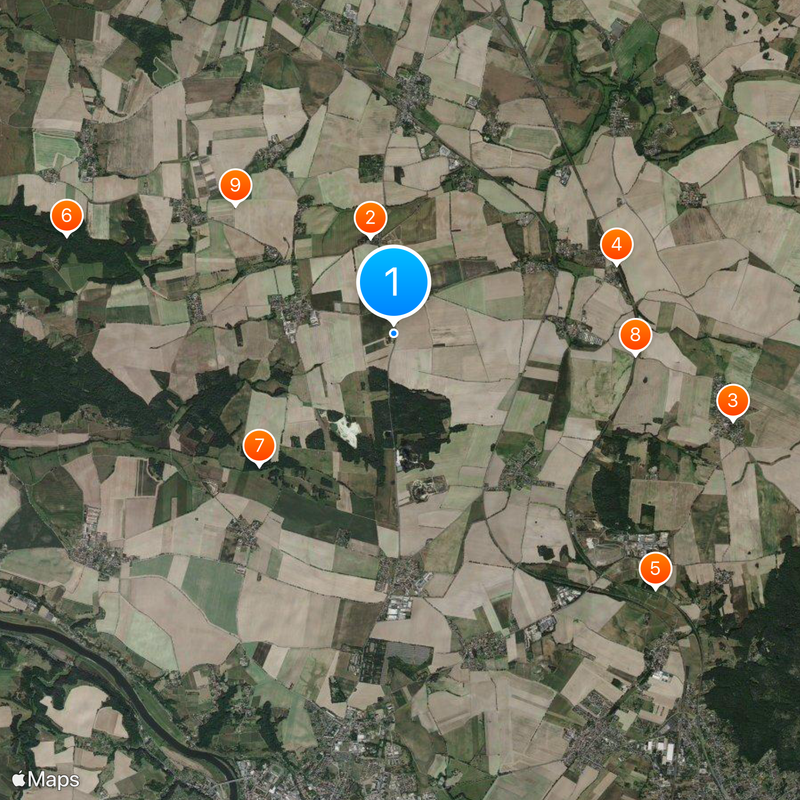
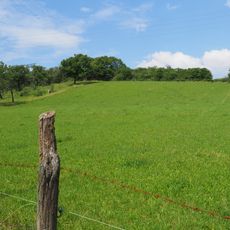
The park reopened in June 2022 after renewal work and now offers information panels that make the visit easier to follow. The site lies in a rural setting and can be explored comfortably on foot, though sturdy shoes are helpful in wet weather.
The artifacts recovered from the mounds suggest that members of the Lusatian culture were buried here, a group that shaped large parts of Central Europe. Their burial customs and pottery appear at many sites across the region, but few places make the graves as accessible to visitors as this park does.
The community of curious travelers
AroundUs brings together thousands of curated places, local tips, and hidden gems, enriched daily by 94,367 contributors worldwide.