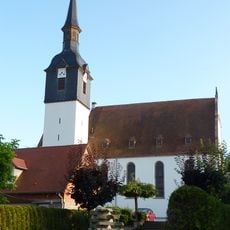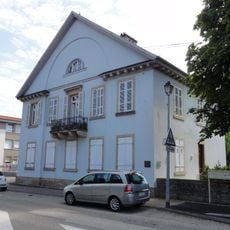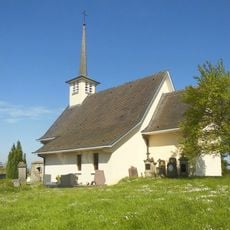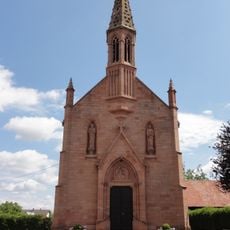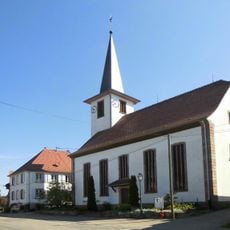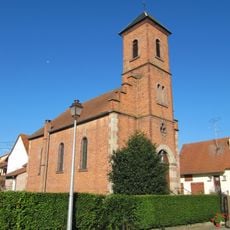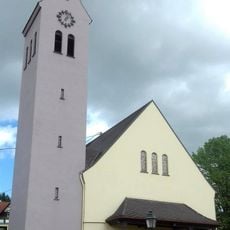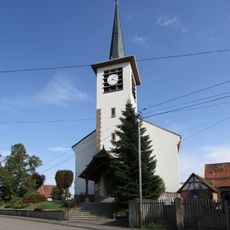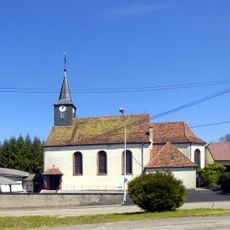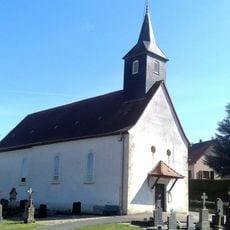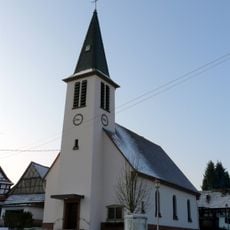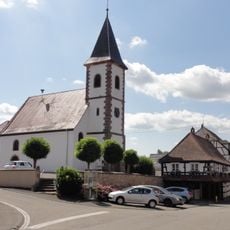
Hunspach, Traditional village in Haguenau-Wissembourg, France
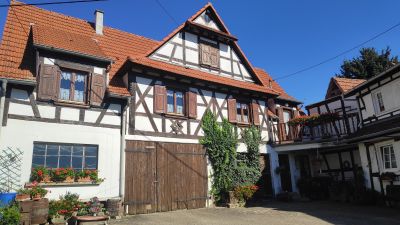
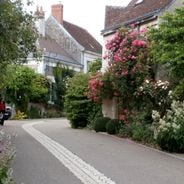
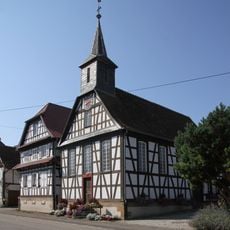
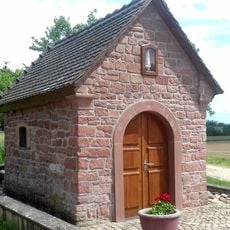
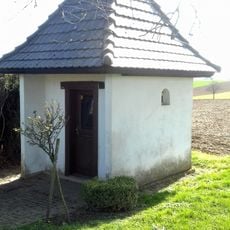
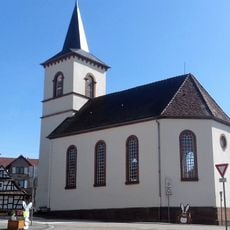
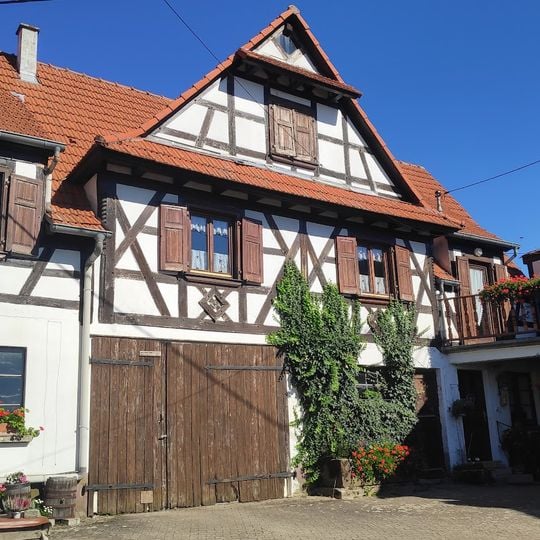
Hunspach is a village in the Haguenau-Wissembourg region of France characterized by white half-timbered houses with pitched roofs, traditional wells, and flower-decorated facades lining narrow lanes. The buildings follow a consistent architectural style typical of rural Alsatian settlements.
The village first appeared in written records in 1298 and converted to Protestantism during the Reformation. Over the following centuries, it experienced several political transitions, including Swedish administration in the 1600s, before becoming part of France in 1787.
The village displays numerous houses with curved Baroque-period windows that allowed residents to observe the street while remaining hidden from view. These distinctive features still shape the character of the narrow lanes today.
The village sits approximately 60 kilometers from Strasbourg and connects to major Alsatian cities through regular bus services and the regional Fluo transport network. Visitors should wear comfortable shoes, as the narrow lanes are best explored on foot.
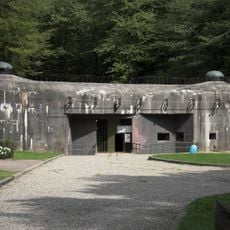
Near the village stands Fort Schoenenbourg, one of the largest accessible fortifications of the Maginot Line in Alsace, extending deep underground. This military monument reveals the strategic importance the region held in the 20th century.
The community of curious travelers
AroundUs brings together thousands of curated places, local tips, and hidden gems, enriched daily by 60,000 contributors worldwide.