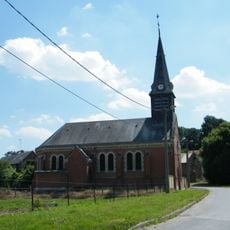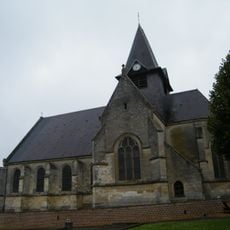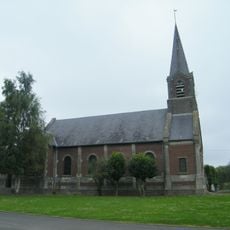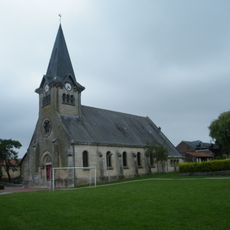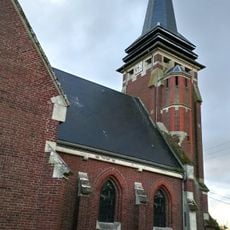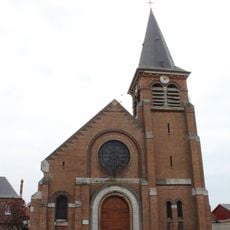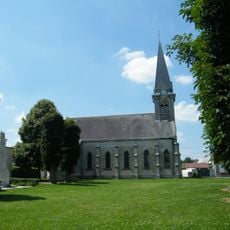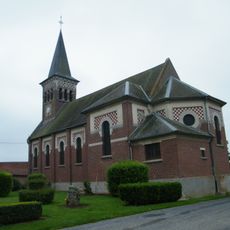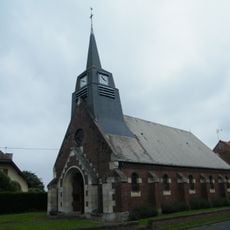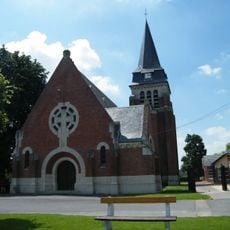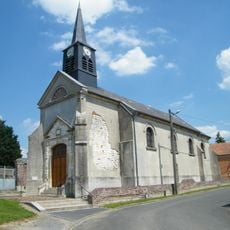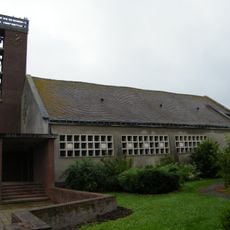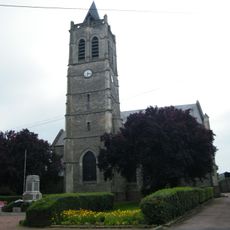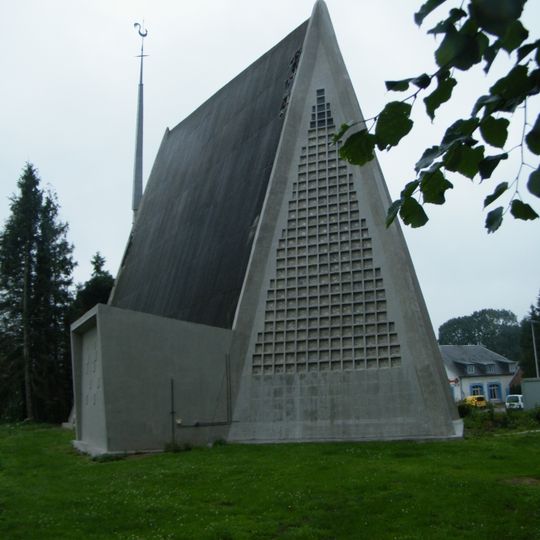
Estrées-Deniécourt, commune in Somme, France
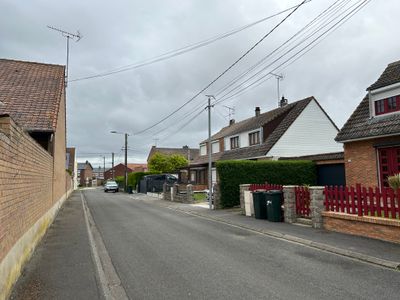
Estrées-Deniécourt is a small commune in northern France formed from two villages that merged in the late 1700s. The village spreads across about 6.5 square kilometers of gentle, open farmland dotted with traditional stone and brick houses and farms.
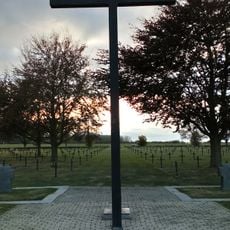
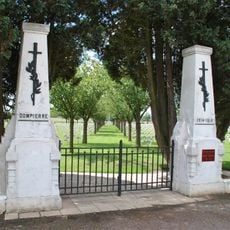
The area sits along the Chaussée Brunehaut, an ancient Roman road whose remains are still visible when walking through the village. During World War One heavy fighting took place here, and two war cemeteries today remember soldiers from different nations who fell in the area.
The name Estrées comes from the Latin word strata, meaning a paved street, reflecting the long history of roads and travel through this region. Today the community uses the space simply: people walk or cycle through, neighbors chat outside their homes, and gardens are part of daily life.
The village streets are quiet and easy to navigate on foot or by bicycle. The nearest train station is in Chaulnes a few kilometers away, and larger cities like Amiens and Lille are about an hour away by car.
US military officer Raynal Bolling is believed to be buried somewhere near the village, but his grave has never been marked and lives on only in the memories of locals. Each June a flea market fills the village with community members and visitors browsing and trading old items.
The community of curious travelers
AroundUs brings together thousands of curated places, local tips, and hidden gems, enriched daily by 90,865 contributors worldwide.