Pont-de-Barret, Commune in Drôme, France
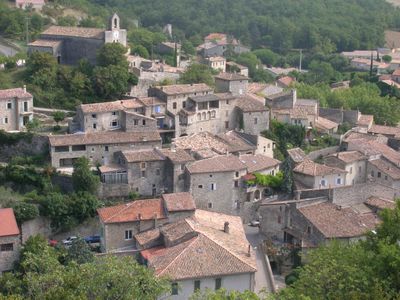
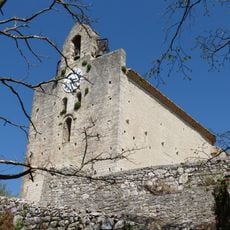
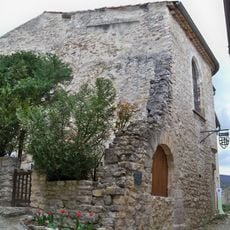
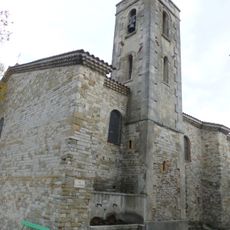
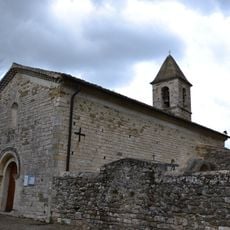
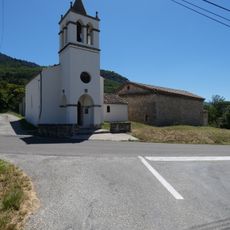
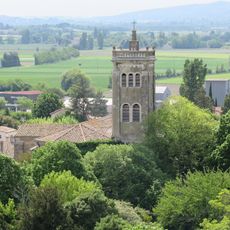
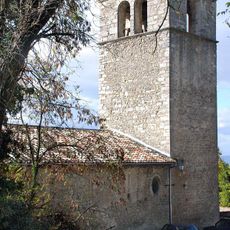
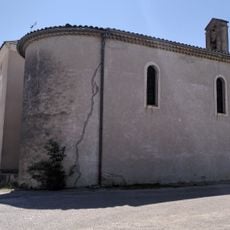
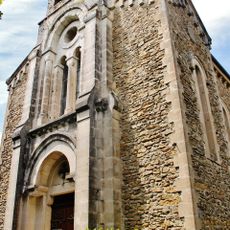
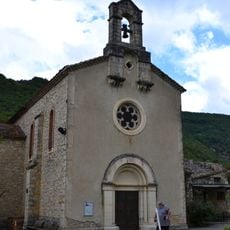
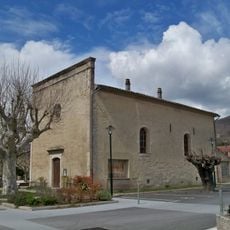
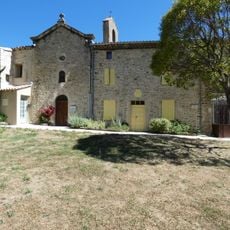
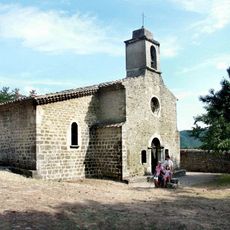
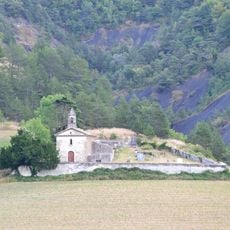
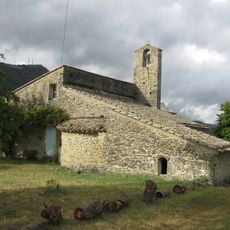
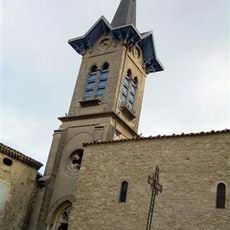
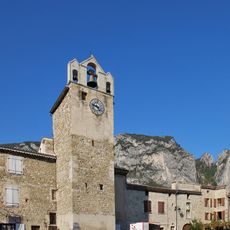
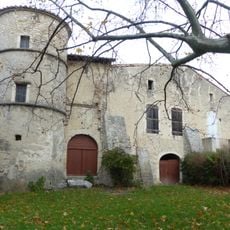
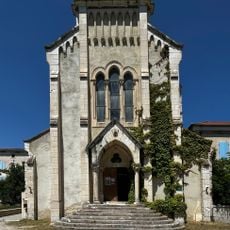
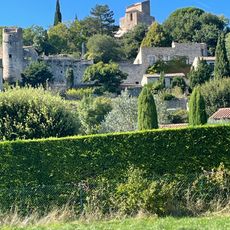
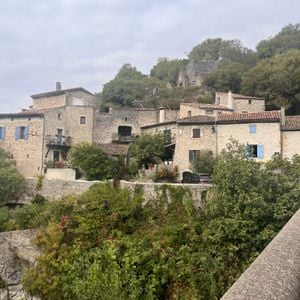
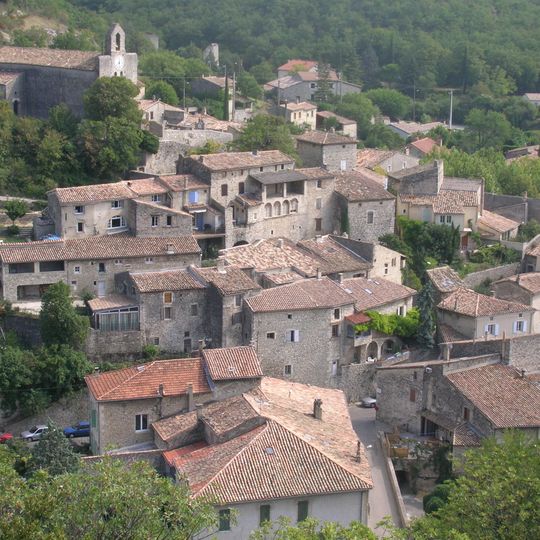
Pont-de-Barret is a commune in Drôme, France, set along the Roubion river with an old hilltop section of stone houses and narrow lanes on one side and newer buildings on the other. The church of Notre-Dame de la Brune, built in the 12th century, stands on a small rise above the village, while the surrounding terrain opens into fields, forests, and rocky cliffs.
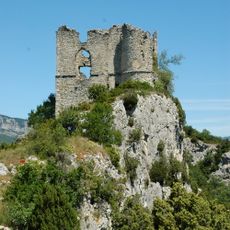
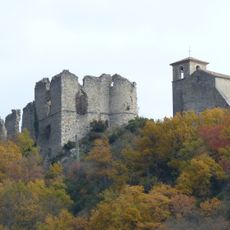
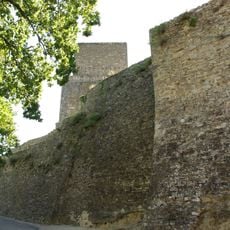
The settlement was first known as Savenna, a name tied to its fertile plain, until people moved to higher ground in the 9th century to escape raids. During the medieval period, it became a defended site, and the ruins of the Châteauvieux stronghold still look over the village.
The wooded banks of the Roubion serve as a summer gathering place where families spread out on the grass and children enter the water where it runs shallow and cold. Along the lanes, the old stone houses and small café terraces show a daily rhythm that has stayed close to the land.
Park near the old textile factories and cross the bridge on foot to enter the village center, where the lanes are best explored slowly. Wear sturdy shoes for the stepped paths and the trails toward Eson or the Briesse plateau.
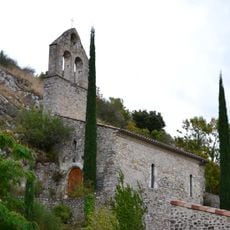
Climbers come to the Eson mountain even in winter, drawn by its red south-facing cliffs, which are a rare sight among the surrounding hills. Once you reach the top of Sainte-Euphémie, where a small chapel and a hermit’s shelter have disappeared, the view opens over the nearby plains.
The community of curious travelers
AroundUs brings together thousands of curated places, local tips, and hidden gems, enriched daily by 60,000 contributors worldwide.