Lacoste, commune in Vaucluse, France
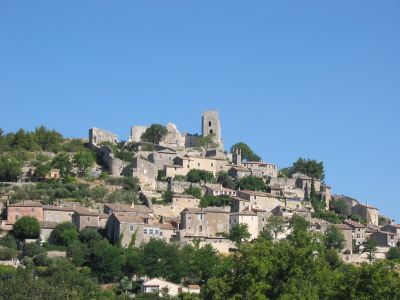
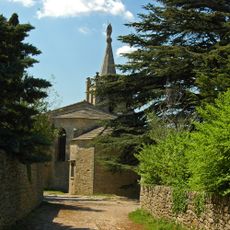
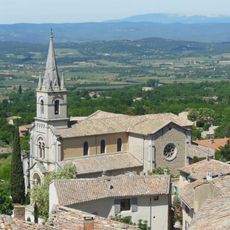
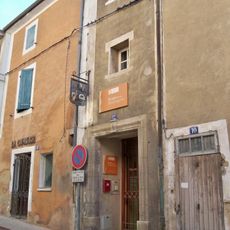
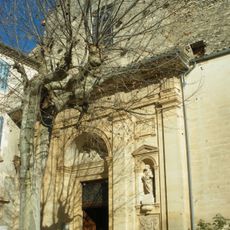
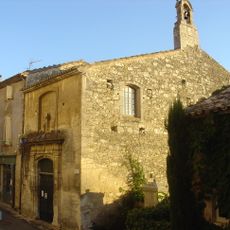
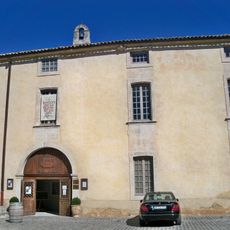
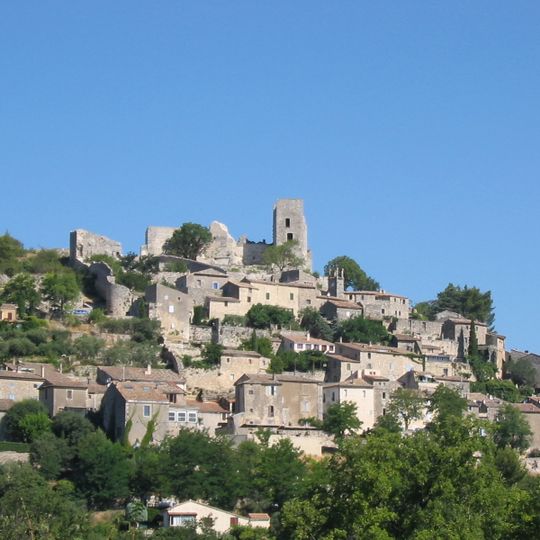
Lacoste is a commune built on a hill in the Luberon region of Vaucluse. The village consists of narrow, winding streets paved with old stones, steep pathways climbing up and down, and houses made of cut stone with shuttered windows.
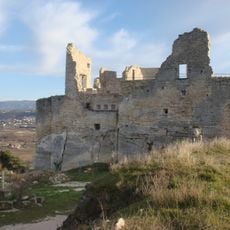
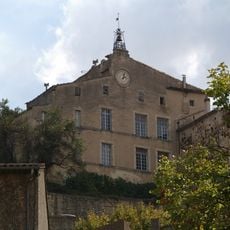
The castle was built in the 11th century and served the Simiana family as a seat, later becoming the home of the Marquis de Sade. In 1545, the Massacre of Lacoste occurred when local inhabitants were killed, a tragic episode that left deep marks on the village's past.
Lacoste was originally a Protestant village surrounded by Catholic communities, which shaped its distinct identity. Today you sense this history in the narrow streets and in how residents and visitors use the space, while artworks and sculptures are scattered throughout the village.
The village is reached via the D106 road from Apt, with bus stops in the area, or via a 45-minute hiking path from Bonnieux. Visitors should come early in the morning or late in the evening, as daytime heat can be intense and narrow streets less crowded.
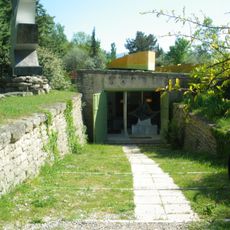
The old quarry next to the castle was transformed into a natural open-air theater where operas and theatrical performances happen each summer. These underground spaces show the craft of medieval stone cutters and now serve as one of the region's most unusual performance venues.
The community of curious travelers
AroundUs brings together thousands of curated places, local tips, and hidden gems, enriched daily by 92,589 contributors worldwide.