Langres Cathedral, Catholic cathedral in Langres, France
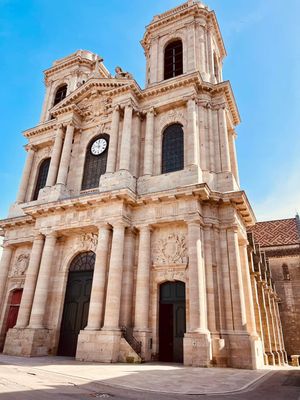
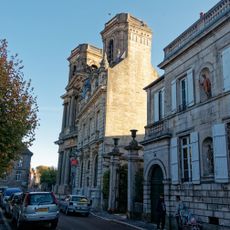
Langres Cathedral is a 12th-century building with a three-level elevation inspired by Cluny III: pointed arcades, a windowless triforium, and high windows. The nave is 94 meters long and 23 meters high, with rib vaults on clustered columns. The west front, rebuilt in the classical style, contrasts with the Romanesque and Gothic body.
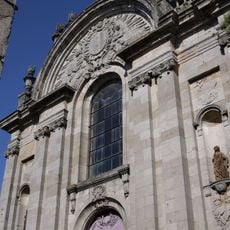
Construction of the cathedral began in 1150 under Bishop Geoffroy de La Roche-Vanneau, with the main structure completed by 1196. The western facade was later rebuilt between 1761 and 1768 in classical style, giving it the appearance it displays today.
The cathedral's name comes from Saint Mammès, a 3rd-century martyr of Cappadocia; his head relic arrived in 1209, making Langres a pilgrimage stop. The 16th-century choir screen, a gift of Cardinal de Givry, was destroyed during the Revolution. The axis chapel of the apse is the only one surviving from the earliest Romanesque campaign.
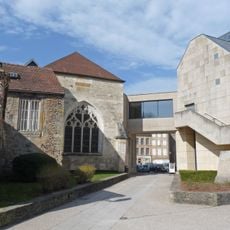
The nave reaches 23 metres in height and the building is 94 metres long, so the interior is best read from the west end, where the three-level elevation and the high windows are visible at once. The nave flying buttresses are hidden by the cloister and chapel walls, but the chevet's are clearly seen from outside. A restoration begun in November 2020 was planned to last about 37 months, so parts of the building may be under scaffolding.
The west front was rebuilt from 1761 to 1768 after the Romanesque towers threatened to collapse; the bell tower over the transept had already been removed in 1782. Its three stacked column orders—Doric, Ionic, Corinthian—contrast with the medieval nave behind.
The community of curious travelers
AroundUs brings together thousands of curated places, local tips, and hidden gems, enriched daily by 93,427 contributors worldwide.