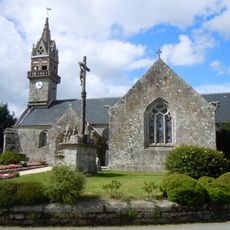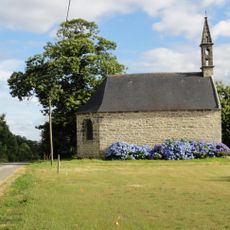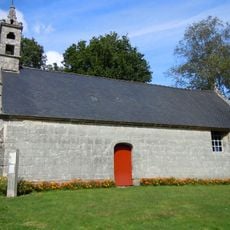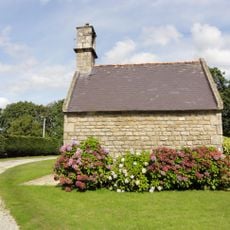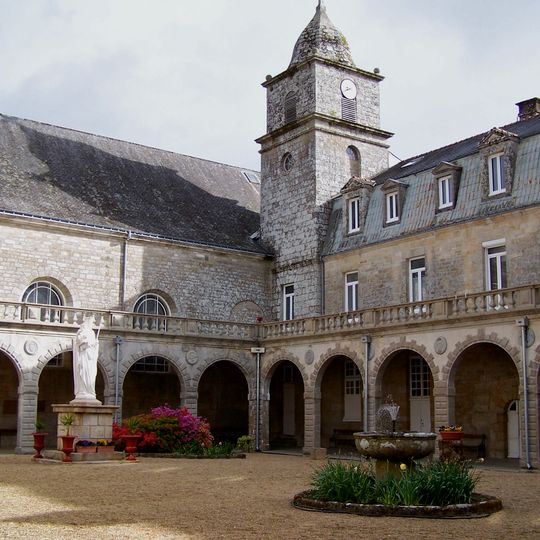
Abbaye Notre-Dame de Langonnet, Cistercian abbey in Langonnet, France
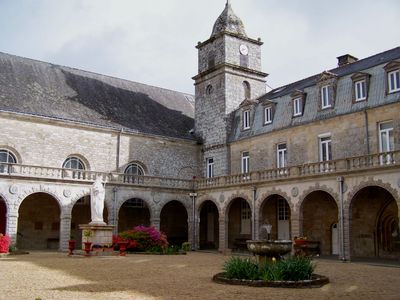
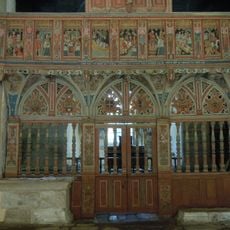
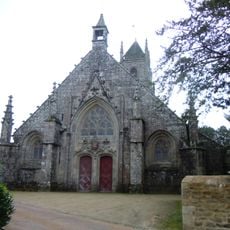
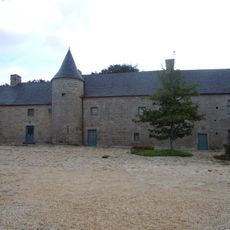
Abbaye Notre-Dame de Langonnet is a monastery built from the 12th century onward, standing in a river valley with a trapezoidal cloister, bell tower, and chapter house. The buildings show architectural features from different periods, reflecting how the community modified and expanded the complex over many generations.
The monastery was founded in 1136 as Brittany built strong religious centers, with monks from established communities settling the site. The community grew and transformed the complex into a major religious and economic center of the region.
The monastery houses a museum of African art with objects collected by missionaries, showing how religious communities connected with cultures across the world. This collection tells stories of the relationships that developed between the residents and distant peoples.
The site is open to visitors daily, though you should check the times and avoid religious services taking place. Wearing comfortable shoes is wise, as you will want time to explore the various buildings and grounds at a leisurely pace.
From 1806 to 1857, the French government used the grounds as Brittany's first public stud farm for breeding horses, a surprising industrial purpose for a place of worship. This transformation shows how buildings can shift to entirely different uses over time.
The community of curious travelers
AroundUs brings together thousands of curated places, local tips, and hidden gems, enriched daily by 92,324 contributors worldwide.