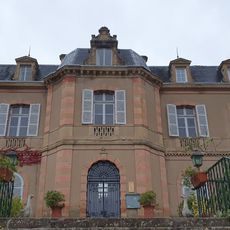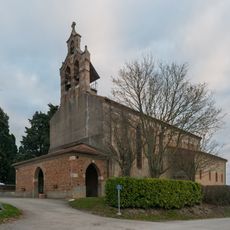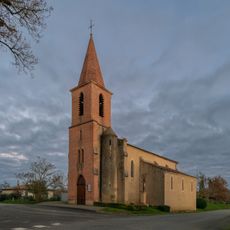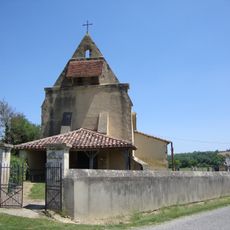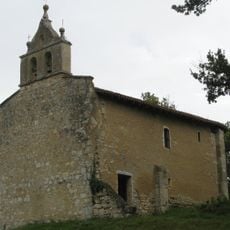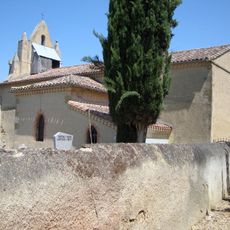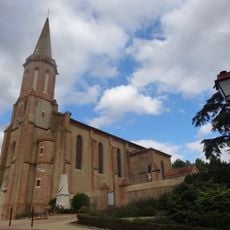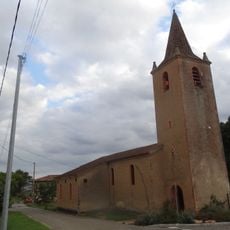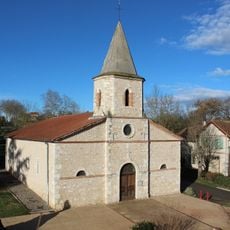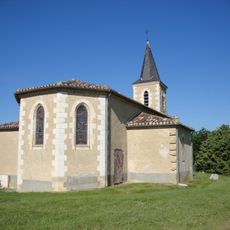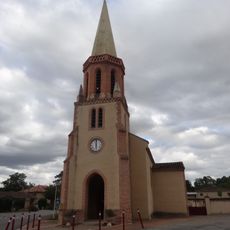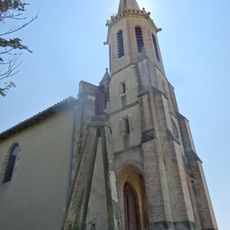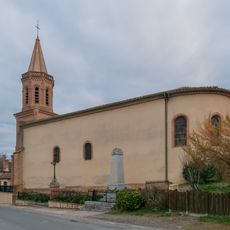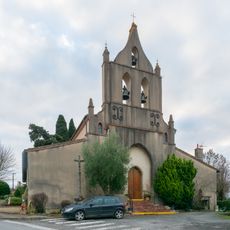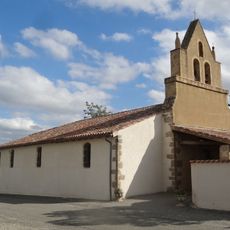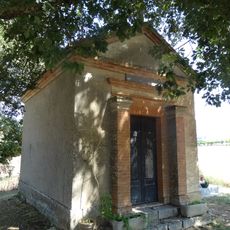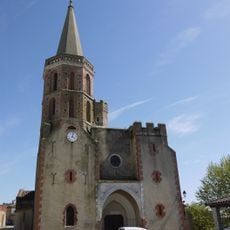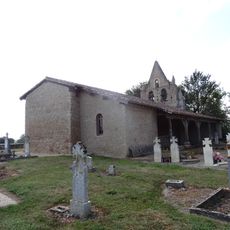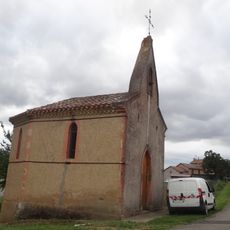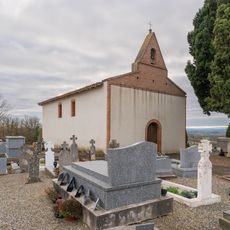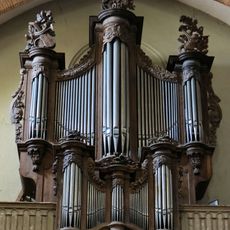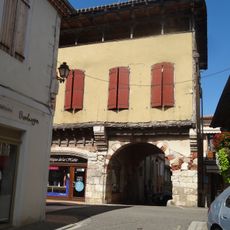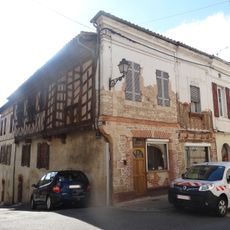
Abbaye de Planselve, Cistercian abbey in Gimont, France.
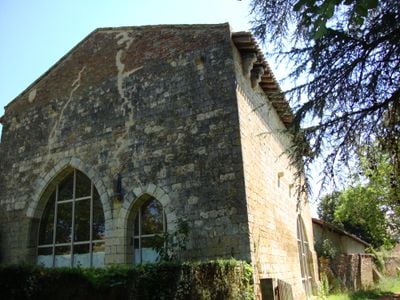
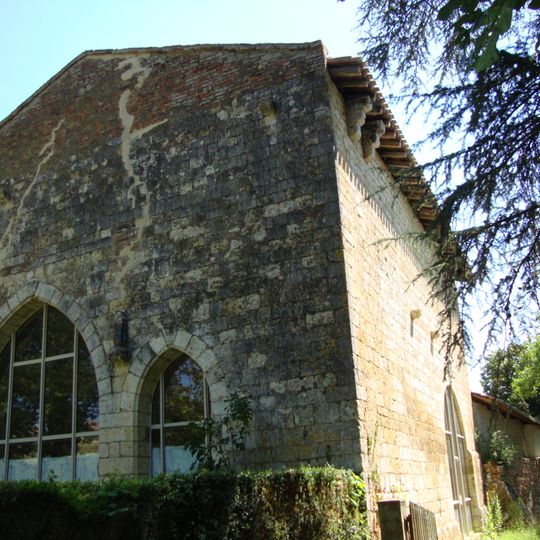
Abbaye de Planselve is a former Cistercian monastery in Gimont. Its surviving buildings include a 12th-century lay brothers' wing with the springings of the former cloister vaults, a 17th- and 18th-century gatehouse with seven grain silos set into its floor, two dovecotes, an ice cellar, and a 1.5-kilometre brick boundary wall with a 14th-century monumental gateway. The church and monastic wing are gone.
The monastery was founded in 1142 when Cistercian monks received land donated by Gerard du Brouilh and his family. The establishment of this abbey directly led to the creation of the nearby bastide town of Gimont, which was originally named Notre-Dame de Gimoun.
The name Planselve comes from "plan" (plain) and "selve" (forest), reflecting how monks chose this isolated wooded location. Walking through the site today shows how the community organized itself around water, agriculture, and self-sufficiency.
The surviving buildings belong to a private estate and cannot be visited; the brick enclosure wall, the 14th-century monumental gateway, the 12th-century lay brothers' building and the two dovecotes are seen from outside. The site lies about two kilometres south-west of Gimont, on the left bank of the Gimone.
Original charters and documents from the monastery's foundation through the 13th century are preserved in a regional archive. These historical records offer rare insight into the everyday operations and lives of those who inhabited such communities in medieval times.
The community of curious travelers
AroundUs brings together thousands of curated places, local tips, and hidden gems, enriched daily by 94,657 contributors worldwide.