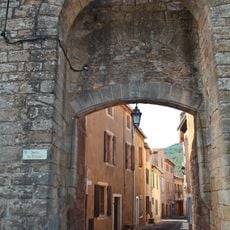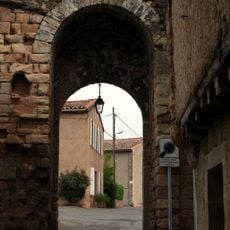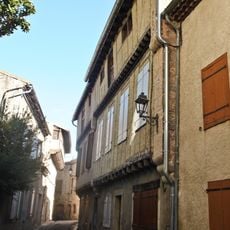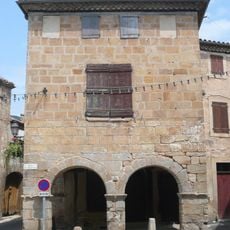
Abbaye de Saint-Polycarpe, Abbey in Saint-Polycarpe, Aude, France
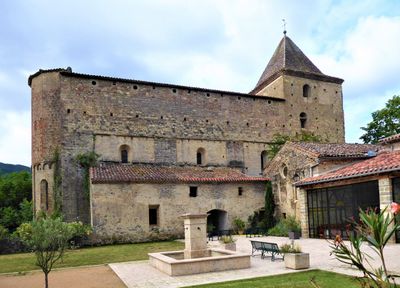
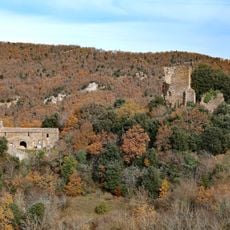
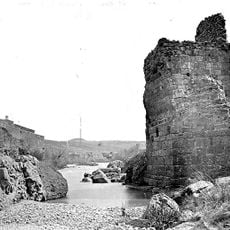
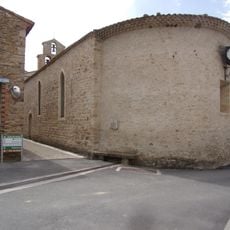
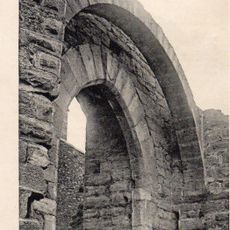
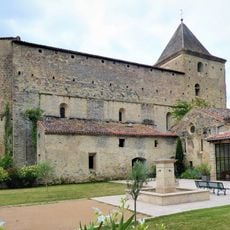
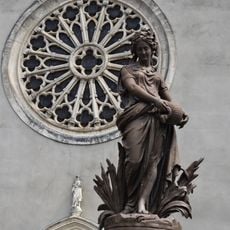
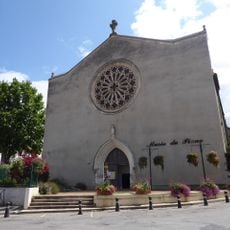
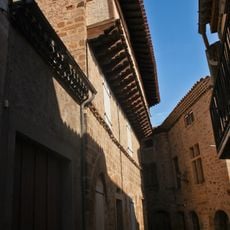
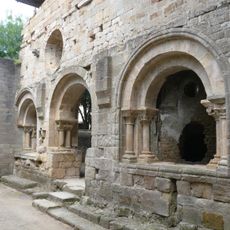
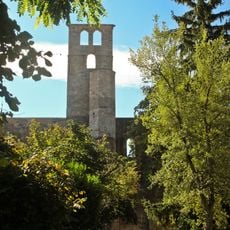
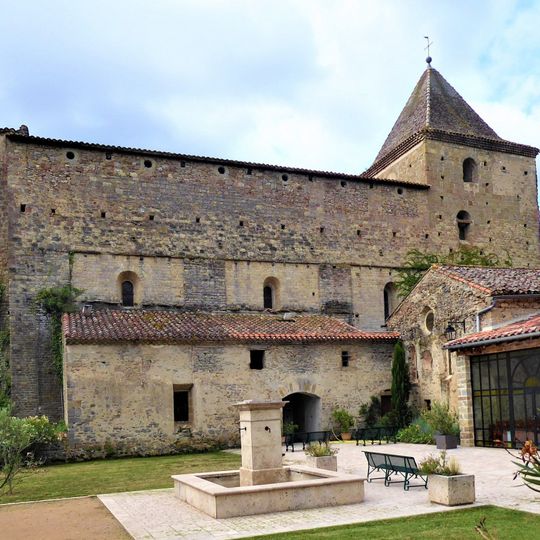
The Abbaye de Saint-Polycarpe in the Aude department has a 12th-century single-nave church dedicated to the Purification of the Virgin, preceded by a square bell tower-porch with a steep pyramidal roof. The monastic buildings, partly burned in 1891, stand around a cloister of which elements remain on the church's south side. A square stone fountain basin with a central pillar sits on the paved area in front.
The monastery was founded in the 8th century by Spanish nobleman Athala and grew as a center for religious life. It closed in 1771 following disputes within the church that made its continuation impossible.
The village takes its name from the abbey, which was earlier called Rivograndi after the Rieugrand stream. The parish church, formerly the abbey church, keeps a 14th-century reliquary bust and a reliquary monstrance, probably made in a Perpignan workshop, which held relics of Polycarp and perhaps of Benedict of Nursia.
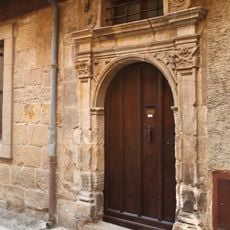
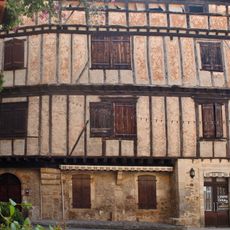
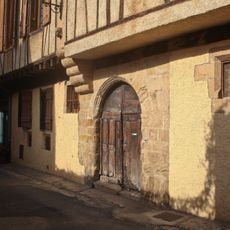
The abbey church, now the parish church of the Purification, is the part a visitor can enter; the conventual buildings around it passed into private hands when the monastery was sold in 1791 and were later divided into parcels. A fire on 13 July 1891 destroyed part of those conventual buildings. The complex was inscribed as a monument historique in 1990.
Dom Pierre Valès, the last monk, refused to leave after the monastery's extinction was pronounced by royal letters patent on 14 August 1771. He was murdered in the Church of the Purification on the night of 6 April 1773 by the convent gardener after a theft went wrong; the culprit was hanged on the public square.
The community of curious travelers
AroundUs brings together thousands of curated places, local tips, and hidden gems, enriched daily by 95,285 contributors worldwide.