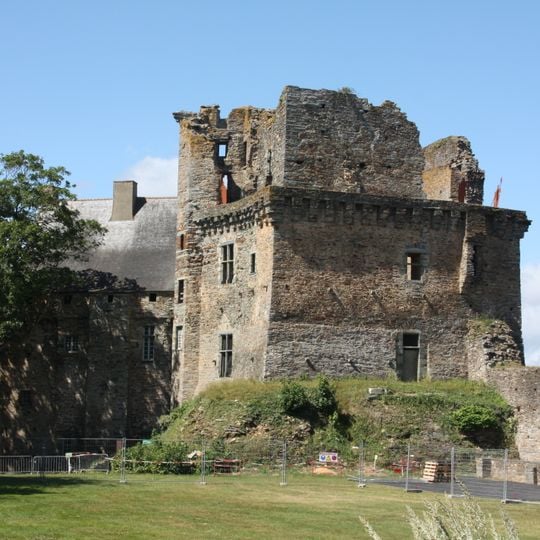
Château de Châteaubriant, Medieval castle in Châteaubriant, France
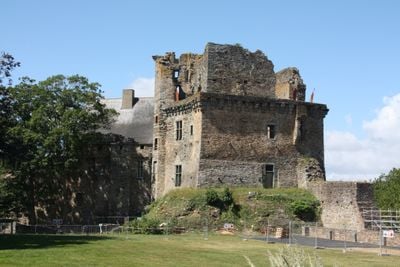
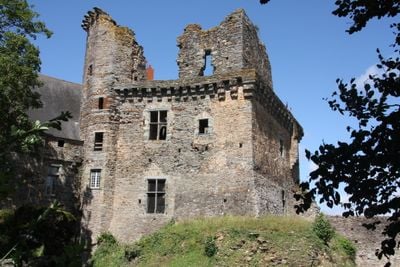
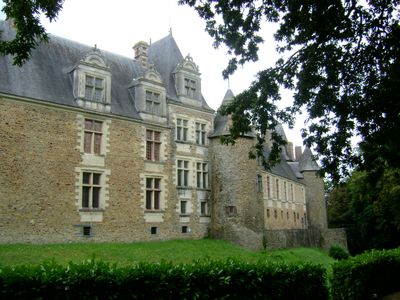
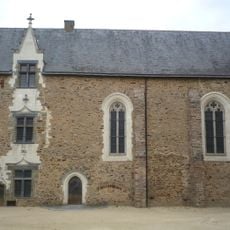
The complex combines a fortified medieval keep with an elegant Renaissance palace, connected through several interior courtyards. Massive cylindrical towers rise at the corners of outer walls, while the main building features large windows, decorative galleries and a two-story entrance portal. The grounds extend across several hectares with preserved defensive structures and maintained gardens.
Originally founded in the eleventh century by Brient, the fortress was completely reconstructed after its destruction in 1488 during the Breton Wars. Jean de Laval initiated the transformation into a Renaissance palace in 1532, a project his daughter Anne continued after his death. The property changed hands multiple times before receiving monument protection status in 1853.
The fortress illustrates the transition from feudal power centers to Renaissance noble residences, having served for centuries as an important administrative seat for the Pays de la Mée region. Its architecture and collections document the social transformations between medieval military necessity and early modern courtly refinement.
Visitors can explore the grounds and exhibitions free of charge year-round, with spring and autumn offering milder weather for courtyard visits. Guided tours in French and English are available by advance reservation. The old town of Châteaubriant with restaurants and parking lies within walking distance, while wheelchair ramps provide access to most areas.
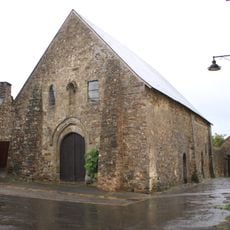
An outbuilding houses a rare collection of medieval construction tools discovered within the walls during restoration work, offering insights into building techniques from the eleventh through sixteenth centuries. The implements include stonemason equipment, woodworking tools and original architectural drawings on wooden boards.
The community of curious travelers
AroundUs brings together thousands of curated places, local tips, and hidden gems, enriched daily by 92,789 contributors worldwide.