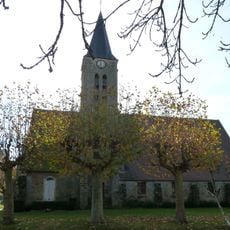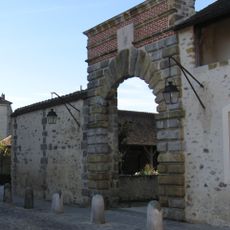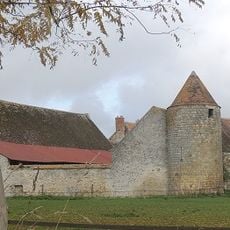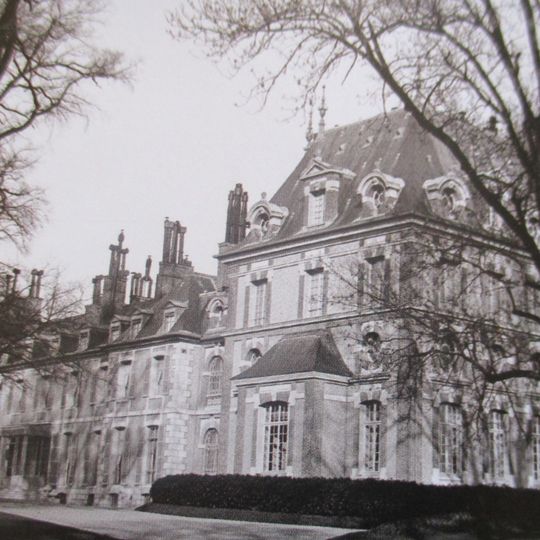
Château de Bois-Boudran, 17th-century château in Fontenailles, France.
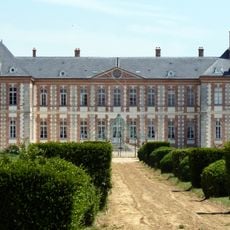
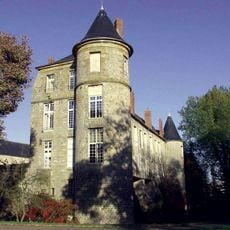
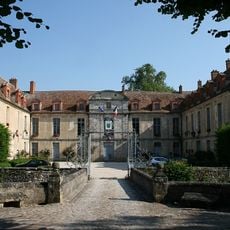
The Château de Bois-Boudran features a classical main building on the north side and an Empire-style wing on the south. The complex reflects architectural development across two distinct periods.
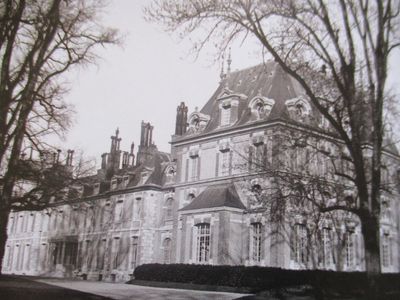
Part of the present château dates from the 17th century: a classical main block facing north, later extended by a First Empire wing to the south. The estate was bought in the early 19th century by Count Jean-Henry-Louis Greffulhe as a hunting domain, then passed to Charles Greffulhe and to Henry Greffulhe, who enlarged it to 4,500 hectares and had Ernest Sanson build a monumental right wing, demolished in the 1960s.
The château's September-to-January hunts brought together presidents of the Republic and European royalty; some years thirty thousand pheasants were released. The countess, an inspiration to Marcel Proust and painter Antonio de La Gandara, received the intellectual and political society of the era. Hunting is still practised on part of the former estate.
The grounds now function as part of a golf course while preserving hunting activities across much of the former estate. Visitors should know that certain areas are dedicated to golfing.
The monumental right wing built for Count Henry Greffulhe was designed by Ernest Sanson, architect of the Palais Rose, and decorated from old woodwork in 18th-century style by Georges Hoentschel. It held a theatre, a state drawing room, a vast dining room and guest apartments. It was demolished from the 1960s onward, so nothing of it stands today.
The community of curious travelers
AroundUs brings together thousands of curated places, local tips, and hidden gems, enriched daily by 92,946 contributors worldwide.