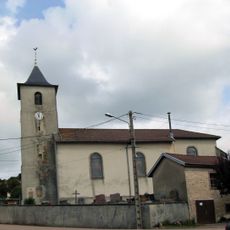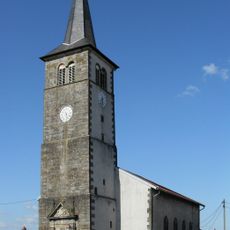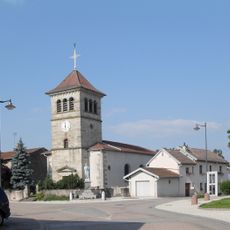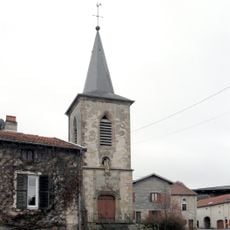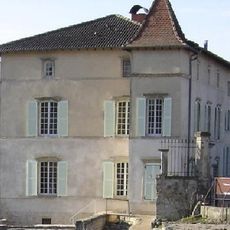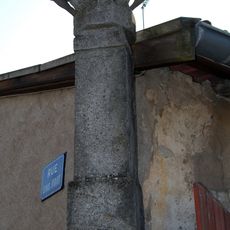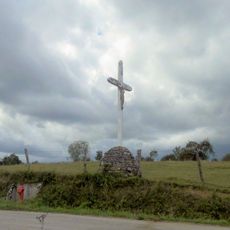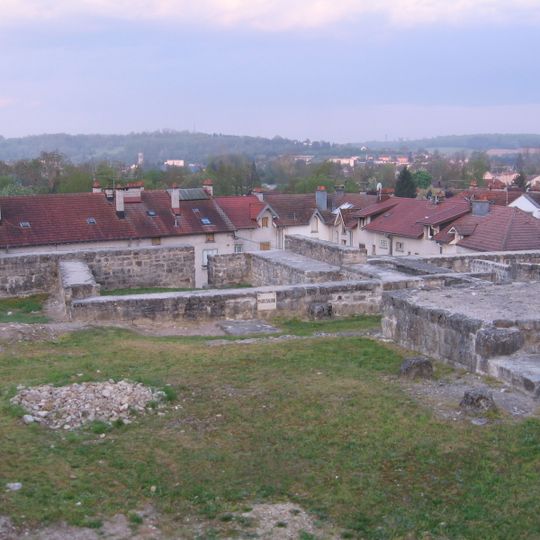
Château de Châtel-sur-Moselle, Medieval fort in Châtel-sur-Moselle, France.
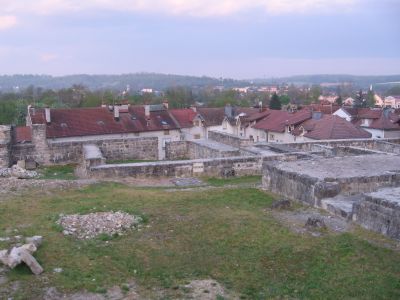
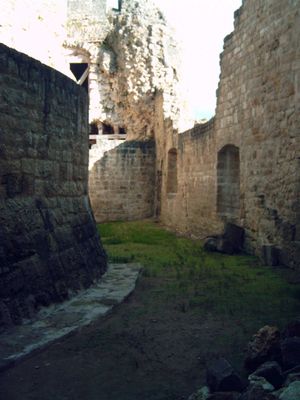
Château de Châtel-sur-Moselle is a medieval fortress with multiple towers connected by fortified walls and featuring passages below ground level. The site covers a substantial area and displays how layers of defenses worked together as an integrated system.
The first castle was probably built between 1072 and 1100 on a limestone spur about twelve metres above the Moselle, with a 35-metre keep and a thin four-sided wall. In 1373 Alix of Vaudémont brought Châtel to Thiébaut VII of Neufchâtel, and from 1410 to 1420 Thiébaut VIII added a northern wall with five towers pierced for cannon. A third wall followed around 1444–1460 as cast-iron shot replaced stone.
The name Châtel comes from the castle itself, which became one of the two seats of the county of Vaudémont after 1072. The counts of Vaudémont granted the town below a charter of franchise in 1317, confirmed and extended in 1532 by Élisabeth de Neufchâtel. The Neufchâtel family, who took over in 1373, kept close ties to Burgundian culture, which shaped life at the castle through the 15th century.
The fortress spreads over five hectares with 1.4 km of walls and 22 towers, so allow time to walk the whole circuit. Three levels of underground galleries and halls are part of the visit; the ground is uneven, so wear sturdy shoes.
The northern section features a notably wide defensive ditch with a double artillery wall setup. This design reveals how military engineers of that era tried to protect the fortress against new weapons.
The community of curious travelers
AroundUs brings together thousands of curated places, local tips, and hidden gems, enriched daily by 93,291 contributors worldwide.