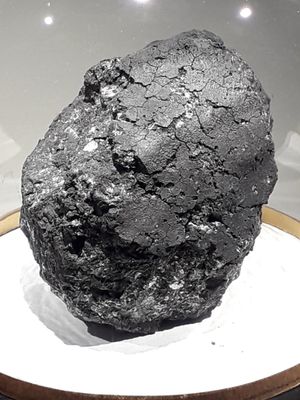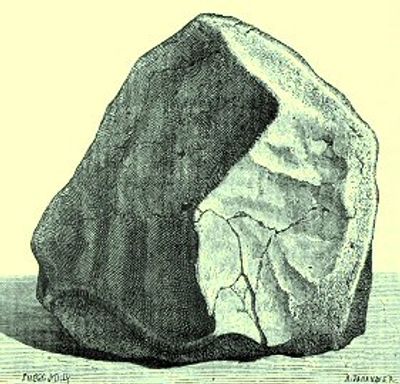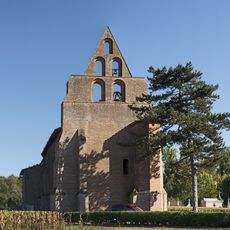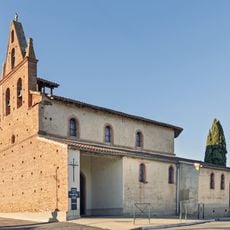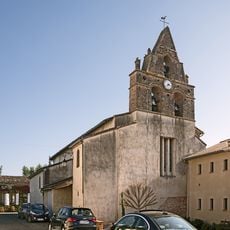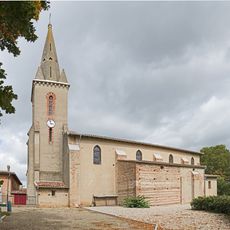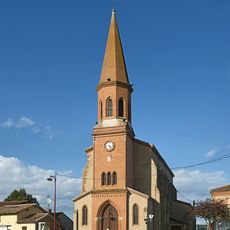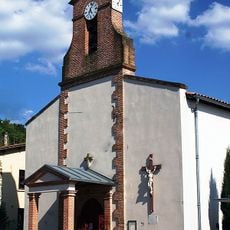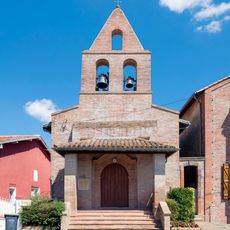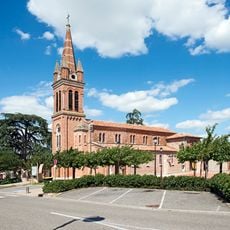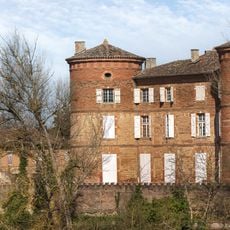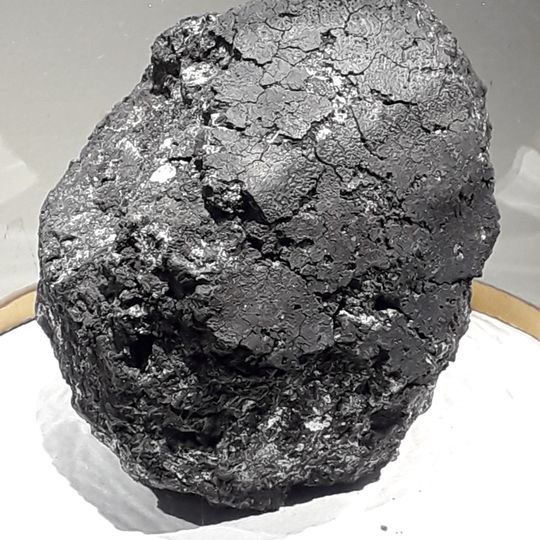
Orgueil, Carbonaceous chondrite meteorite in Orgueil, France.
Orgueil is a carbonaceous chondrite, a type of stony meteorite, that fell in southwestern France in 1864 and broke into many pieces on impact. It belongs to a rare group of meteorites that closely reflect the original chemical composition of the early solar system.
On May 14, 1864, the meteorite fell over the Tarn-et-Garonne department in southern France, scattering pieces across a wide area. The fragments were quickly gathered and distributed to scientific institutions across Europe.
The meteorite takes its name from the village in southwestern France where it landed. Fragments are on display in several natural history museums, where visitors can see them up close.
Fragments of this meteorite are held and sometimes displayed in natural history museums in France and other countries. Visiting one of these institutions is the most straightforward way to see the rock in person.
The meteorite contains tiny grains that formed inside other stars before our solar system existed. These presolar grains make it one of the most valuable objects for studying conditions in the early universe.
The community of curious travelers
AroundUs brings together thousands of curated places, local tips, and hidden gems, enriched daily by 60,000 contributors worldwide.