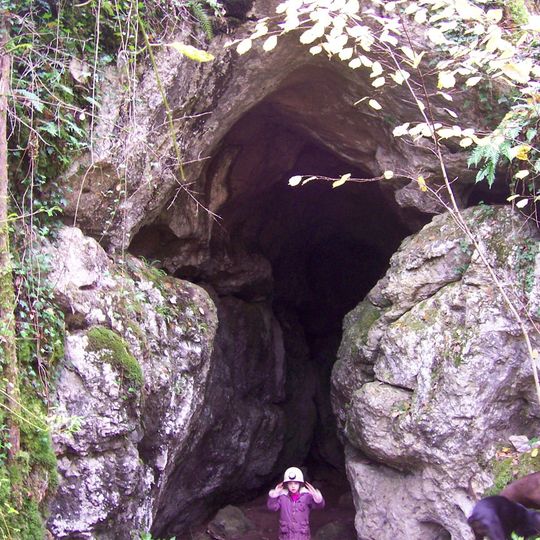
Igue de la Crousate, Natural cave in Gramat, France
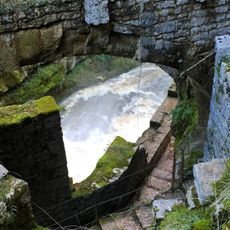
Igue de la Crousate is a limestone cave in Gramat that descends approximately 150 meters and reaches depths of around 92 meters within the rock formations. An underground river flows through this network, creating passages shaped by water movement through the stone.
The first documented exploration occurred in 1888, when animal bones and human artifacts were uncovered dating back to Neolithic times. These finds reveal that the site was used by humans since prehistoric periods.
The name reflects the regional Occitan language heritage, where 'igue' refers to vertical cave openings in local speech. Visitors experience this linguistic connection to the area's past simply by encountering the place's name.
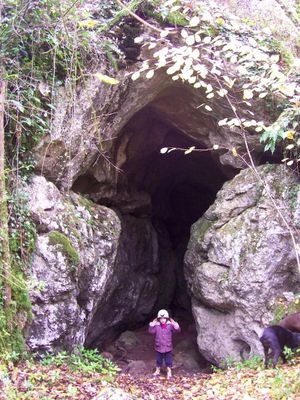
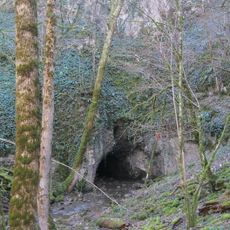
The entrance lies on private property, about 100 m from the D14 between Gramat and Reilhac, and is marked on the IGN 1/25000 map. The porch faces east-northeast and measures 6 m high by 2 m wide. Only people trained in caving techniques should enter: a blind 15 m pit opens 40 m along the entrance gallery.
In 1891 Ernest Rupin and Raymond Pons reached the lowest point with Martel, Gaupillat, Lalande and Armand, photographing the entrance and drawing plan and section views. They noted large stalactites, some 26 m long, and black rings of bat guano encrusted beneath the stalagmite on the walls of the 42 m shaft, the main one 1.30 m above the sand floor.
The community of curious travelers
AroundUs brings together thousands of curated places, local tips, and hidden gems, enriched daily by 92,890 contributors worldwide.