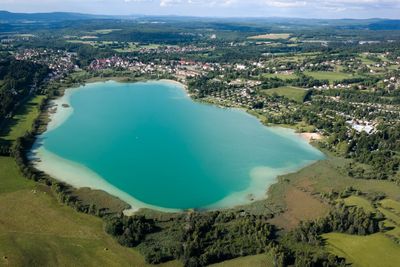
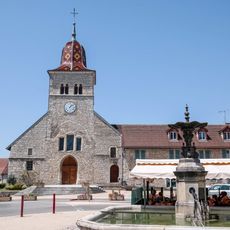
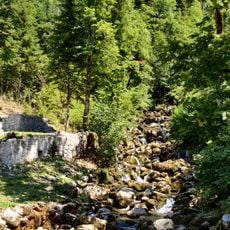
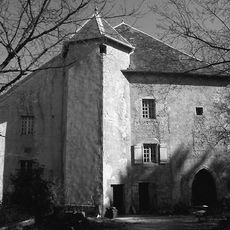
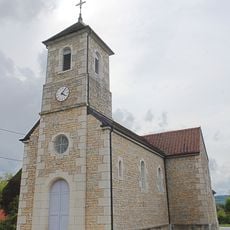
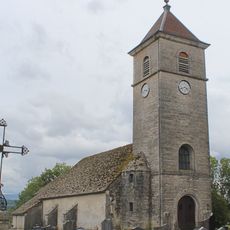
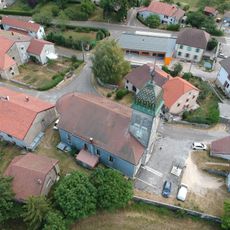
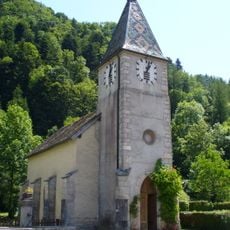
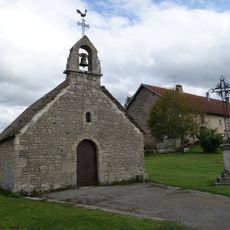
Le Grand Lac de Clairvaux, Archaeological site and UNESCO World Heritage Site in Clairvaux-les-Lacs, France.
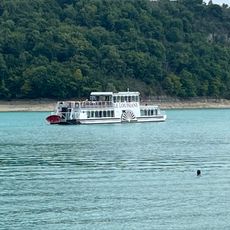
Le Grand Lac de Clairvaux contains more than 18 prehistoric pile-dwelling settlements submerged beneath the water surface in the Jura region. The archaeological site sits at roughly 525 meters elevation and preserves wooden structures from Neolithic times.
Excavations began in 1835, and oak poles were discovered emerging from the lake floor in 1870, marking the first systematic study of submerged wetland sites in France. This discovery opened new pathways for understanding how prehistoric peoples lived in wet environments.
The submerged villages reveal how ancient people built homes on wooden posts at the water's edge and organized their daily lives around the lake. These settlements continue to shape how we understand early communities adapting to wetland environments.
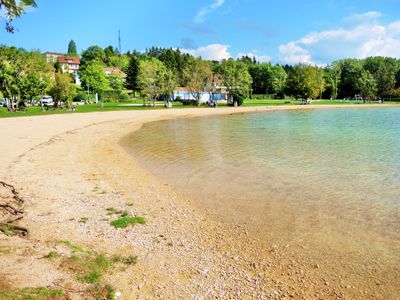
The lake is accessible from various viewpoints along its shores, offering views across the water where the submerged sites lie. Since the remains are hidden beneath the surface, visitor centers and interpretive displays help explain what lies below and how to understand the site.
Research identified forty different tree species used by ancient inhabitants, including riverine forests, oak, and beech woodlands. This range shows that people sourced wood from diverse forest types and had deep knowledge of their natural surroundings.
The community of curious travelers
AroundUs brings together thousands of curated places, local tips, and hidden gems, enriched daily by 60,000 contributors worldwide.