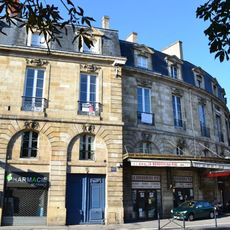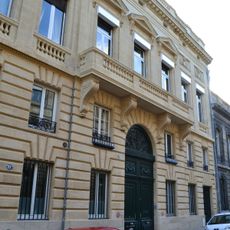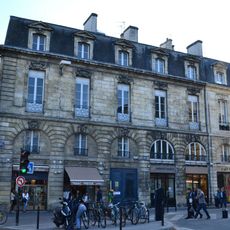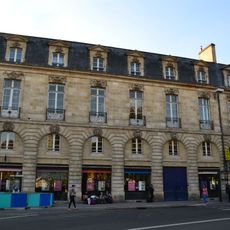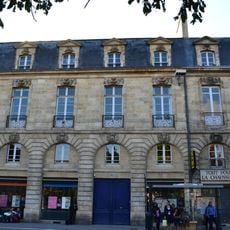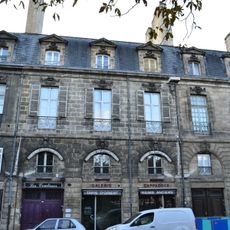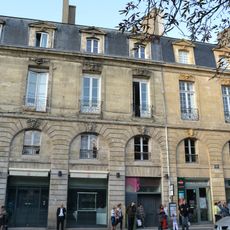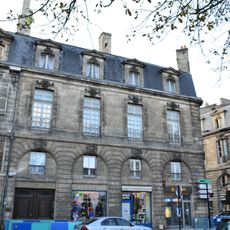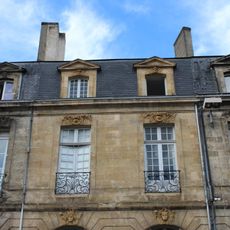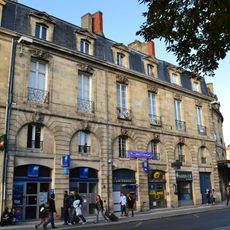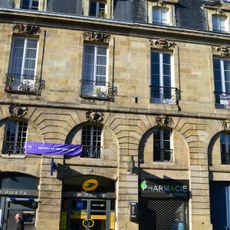
Hôtel Frugès, Historical mansion in central Bordeaux, France.
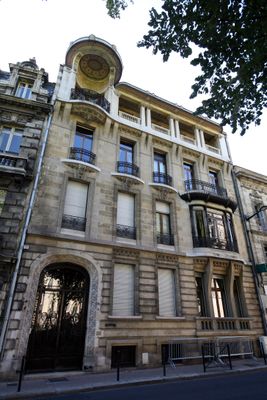
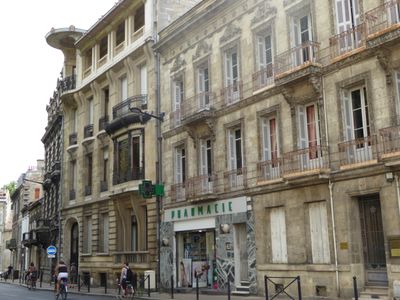
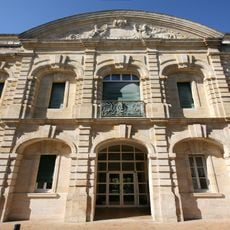
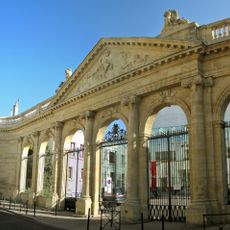
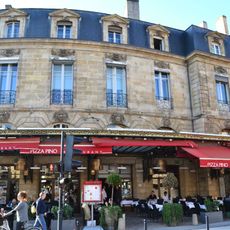
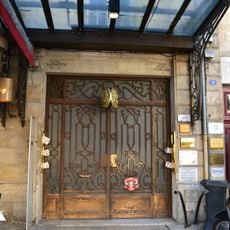
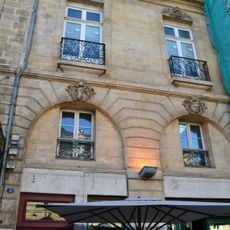
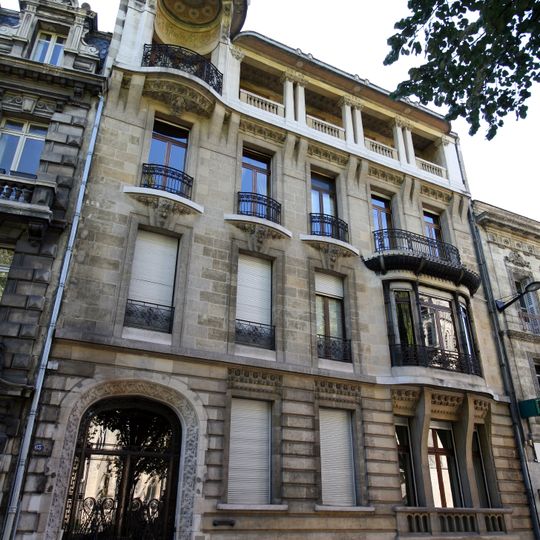
The Hôtel Frugès is a residence in Bordeaux combining Art Nouveau and Art Deco elements throughout its facade and interior spaces. Decorative details appear on doors, windows, furnishings, and wall panels, creating a unified visual design.
The former Maison Daverne, built in 1878, was bought in 1912 by sugar industrialist Henry Baronnet-Frugès, who had architect Pierre Ferret rebuild it between 1913 and 1927. Work stopped at the start of the First World War and resumed in 1916; the family moved in during summer 1918. The house, garden and their decoration were classified as monuments historiques on 2 October 1992.
The aquatic theme runs through the entrance: Edmond Tuffet carved a frieze of the sweet kelp Lamina saccharina, a nod to Frugès's sugar business, and Edgar Brandt's stair railing carries octopus tentacles at hand height. In the dining room, Pierre-Louis Cazaubon painted La Fête des Vendanges, a view of the port of Bordeaux in the 17th century.
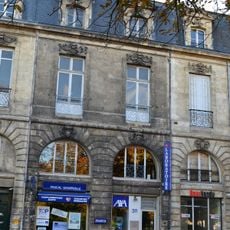
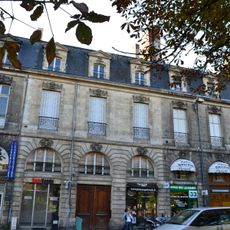
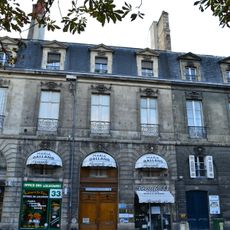
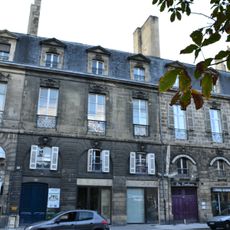
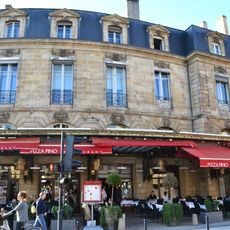
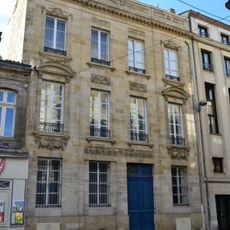
The mansion stands at 63 allée Damour, now place des Martyrs-de-la-Résistance, in the Saint-Seurin district. It is a private residence, so the interior is not open to visitors; the facade, the entrance vestibule and the listed garden can only be seen from the street. The site was classified as a monument historique on 2 October 1992.
The vestibule's carved frieze by Edmond Tuffet shows the sweet kelp, a nod to Henry Frugès's sugar business. In the hall, Edgar Brandt's stair railing carries five openwork pylons with seaweed motifs and octopus tentacles rising to hand height. The whole house, garden and its decor were classified as monuments historiques on 2 October 1992.
The community of curious travelers
AroundUs brings together thousands of curated places, local tips, and hidden gems, enriched daily by 94,593 contributors worldwide.