Musée de la vie rurale, History museum in Steenwerck, France
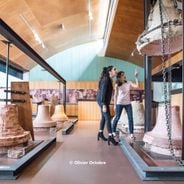
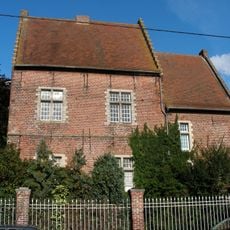
The musée de la Vie rurale occupies the Ferme Brame, a five-sided farm complex in Steenwerck, northern France. The brick buildings, rebuilt in 1922 after World War I, form a courtyard; the main range has a dark tiled roof with two dormer windows, and a sign reads "Musée de la vie rurale". Inside are over 1,500 m² of displays and 6,000 objects on rural life from 1850 to 1950.
The museum was created to preserve the rural way of life of the region, which gradually disappeared as farming became mechanized during the 20th century. The objects, furniture, and tools on display were gathered from the local area and reflect the history of the villages around Steenwerck.
The visit ends at the estaminet "A La Gaieté", set up in the farm's former stable, where regional beer, waffles, apple juice and traditional Flemish games are served. The museum also keeps two Northern draft horses, and in the barn stand Totor, 3rd of the name, and Irène au nez pointu, the town's giants.
The museum is open on certain afternoons, with longer hours during summer, and also welcomes visitors on some public holidays and weekends. Groups and school classes can book guided visits and workshops, and it is best to call ahead to arrange this.
The museum includes an arboretum in its outdoor area, displaying tree species that once played a role in the everyday rural life of the region. This section is often overlooked by visitors, even though it offers a different way of understanding how people related to the land around them.
The community of curious travelers
AroundUs brings together thousands of curated places, local tips, and hidden gems, enriched daily by 93,186 contributors worldwide.