Musée des Beaux-Arts de Carcassonne, Art museum in Bastide Saint-Louis, Carcassonne, France
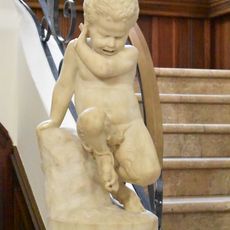
Musée des Beaux-Arts de Carcassonne is an art museum in Bastide Saint-Louis displaying European paintings and ceramics from the 17th century through contemporary periods across eleven exhibition rooms. The collection spans different cultures and time periods arranged side by side.
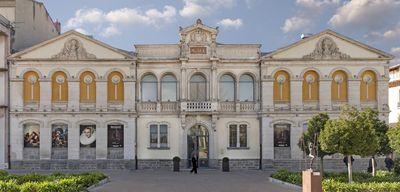
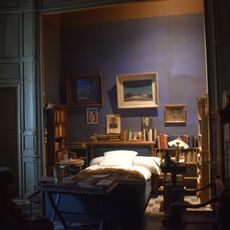
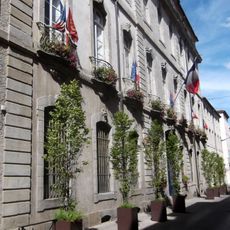
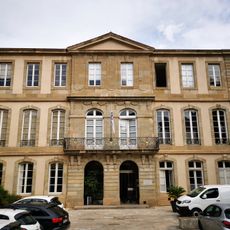
Created in 1836 on the initiative of local art, history and archaeology enthusiasts, the museum occupies the former présidial of Carcassonne. Architect Charles Émile Saulnier (1828-1900) directed enlargement works from 1876, and the present facade was completed in 1900. Closed from 1942 to 1948, it housed part of poet Joë Bousquet's surrealist collection in a room named after him from 1951 to 1961. The facade was fully restored in 2015.
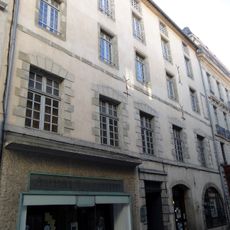
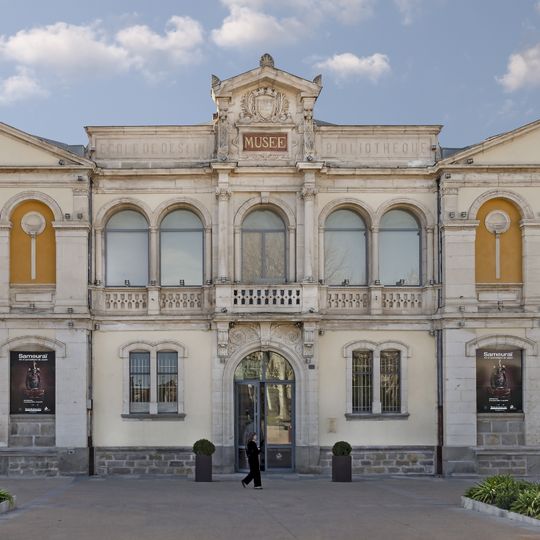
The museum opened in 1836 in the former présidial, the city's old court building, and its facade carries the words École de dessin, Musée and Bibliothèque. From 1951 to 1961 a room named after the poet Joë Bousquet held part of his surrealist art collection. Since 1 September 2009 the museum of the école de Carcassonne in the medieval Cité has been attached to it.
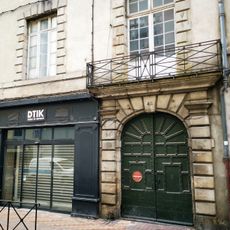
The museum stands at 1 rue de Verdun in the Bastide Saint-Louis, in the former présidial building whose restored 1900 facade carries the words École de dessin, Musée and Bibliothèque. The entrance is the glazed double door in the arched stone surround at the centre of the lower level, reached past two round planters. Since 1 September 2009 the museum of the école de Carcassonne in the medieval Cité has been attached to it, so check which site you are heading for.
The museum holds a collection of over one hundred paintings gathered in 1845 by the Society of Arts and Sciences, forming an important record of local artistic taste. This collection continues to grow through donations from the state and private collectors.
The community of curious travelers
AroundUs brings together thousands of curated places, local tips, and hidden gems, enriched daily by 94,657 contributors worldwide.