Parc de la Chantrerie, Urban park in Nantes, France
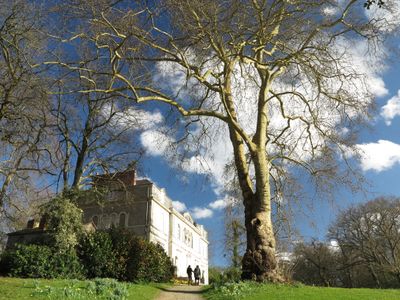
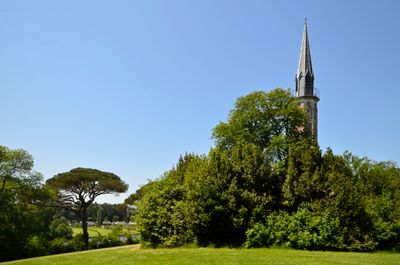
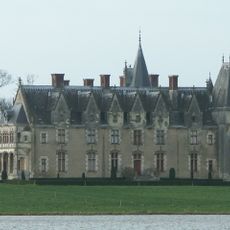
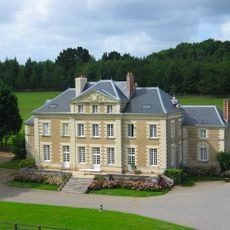
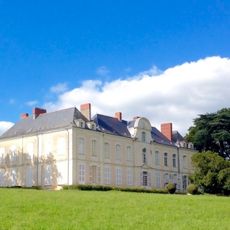
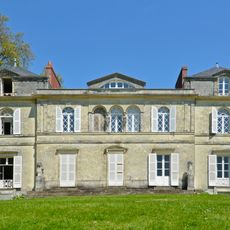
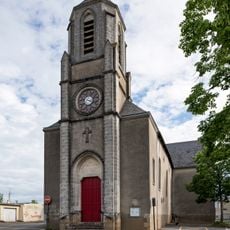
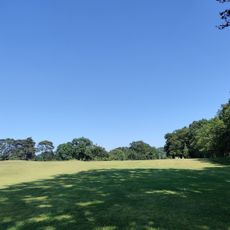
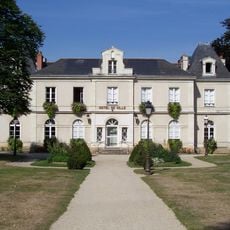
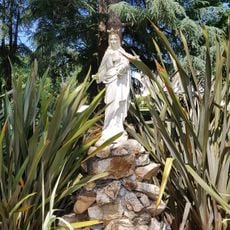
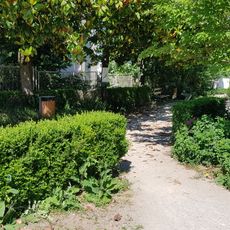
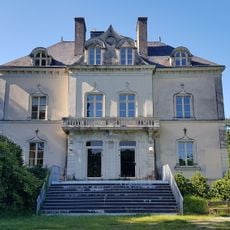
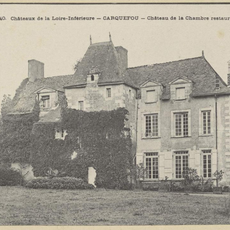
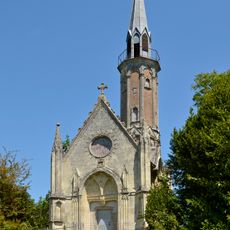
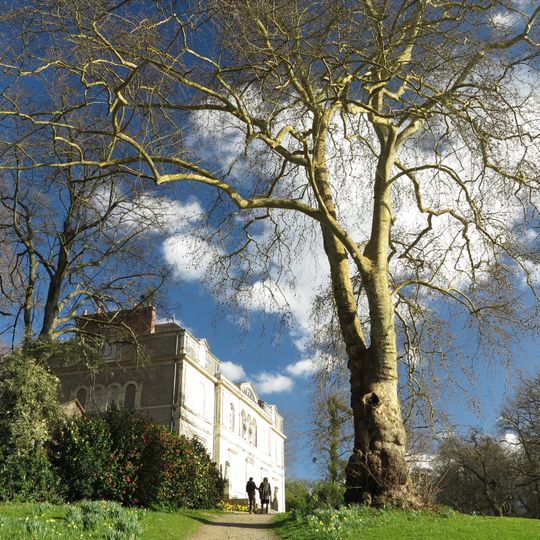
The Parc de la Chantrerie is a 17.66-hectare green space in Nantes's Erdre district, stretching nearly 900 m along the Erdre. Its landscaped grounds, redesigned in 1872 by Nantes landscape gardener Dominique Noisette, surround a villa built in 1825 by architect Étienne Blon, with an 1836 chapel and an orangery. The park holds multi-century beeches, plane trees, cedars, spruces, oaks and chestnuts.
Before the Revolution the estate belonged to the chapter of Nantes Cathedral; its farm, with vines planted in the early 17th century, funded the cathedral choir, hence the name from "chantre" (cantor). In 1791 the Launay tenant family bought it as national property for 60,200 livres. The Nantes architect Étienne Blon built the present villa in 1825, and in 1872 the landscaper Dominique Noisette redesigned the grounds. The city of Nantes acquired the estate in 1972 and opened the public park in 1979.
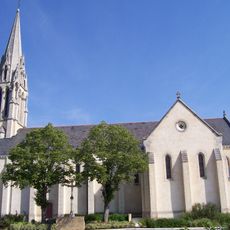
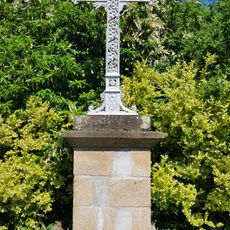
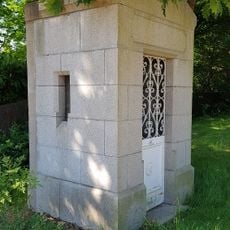
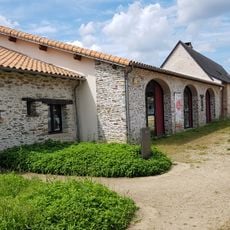
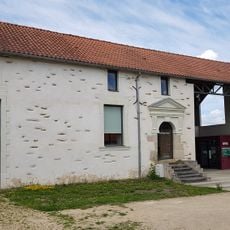
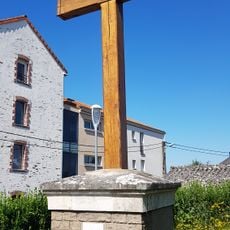
The name Chantrerie derives from chantre, the cantor of Nantes Cathedral: the estate's income, mainly from vines planted in the early 17th century, paid for the cathedral choir. The chapel built in 1836 still stands among the villa and outbuildings listed as monuments historiques since 1997.
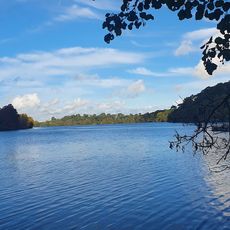
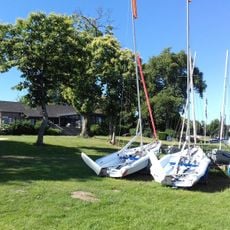
The park lies in Nantes, in the Nantes Erdre district, along nearly 900 m of the Erdre riverbank. It is reached from the Chantrerie campus nearby, which takes the park's name. The grounds cover 17.66 hectares, half of the former 37-hectare estate bought by the city in 1972.
The park shelters 20 mammal species, including squirrels, rabbits, foxes and wild boar, and 70 bird species. It also takes its name from the campus de la Chantrerie beside it, and the villa, orangery and chapel on its grounds were listed as monuments historiques on 20 May 1997.
The community of curious travelers
AroundUs brings together thousands of curated places, local tips, and hidden gems, enriched daily by 93,678 contributors worldwide.