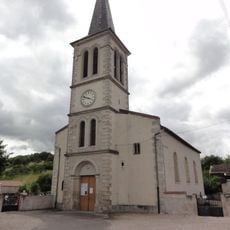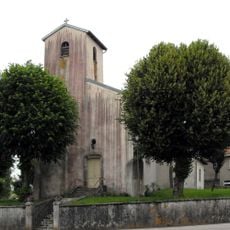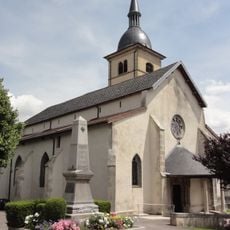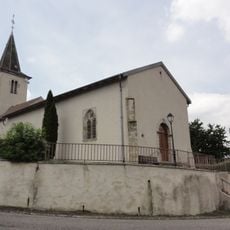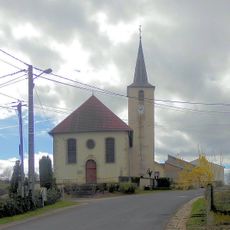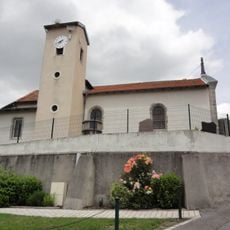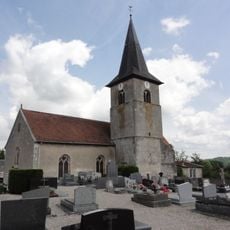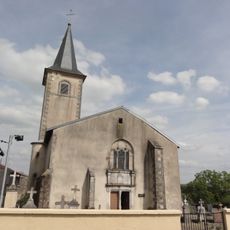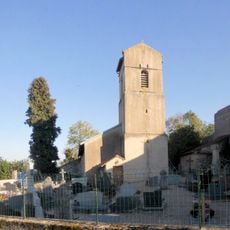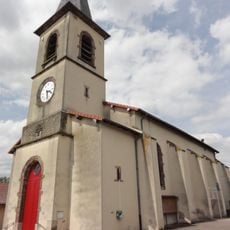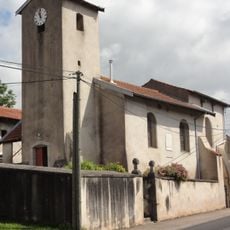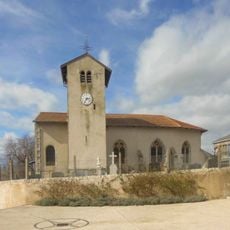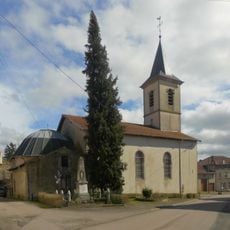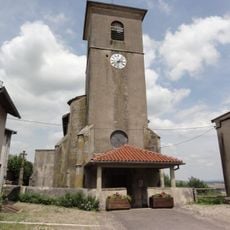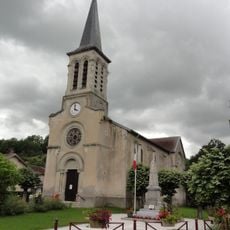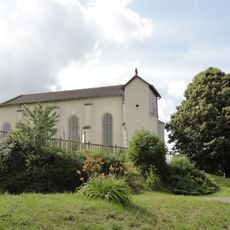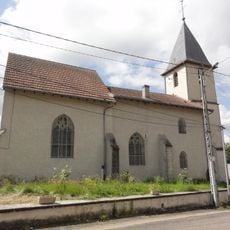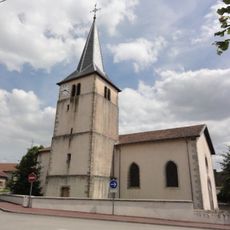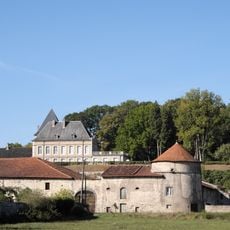
Prieuré de Froville, Romanesque church in Froville, France
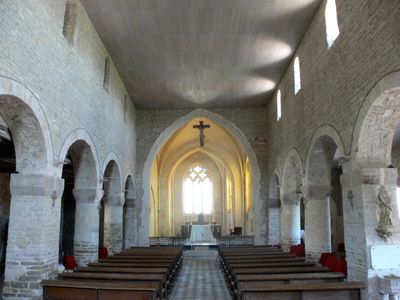
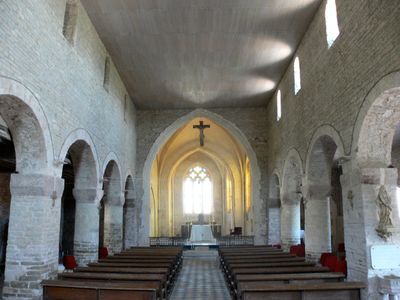
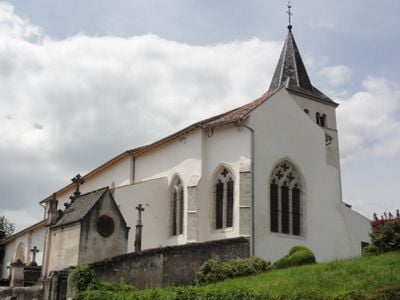
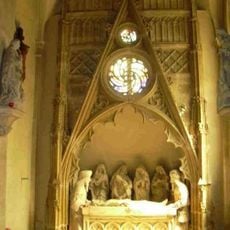
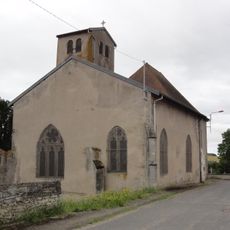
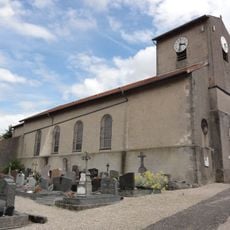
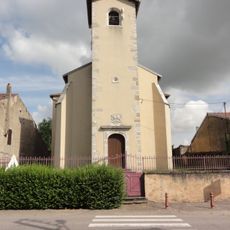
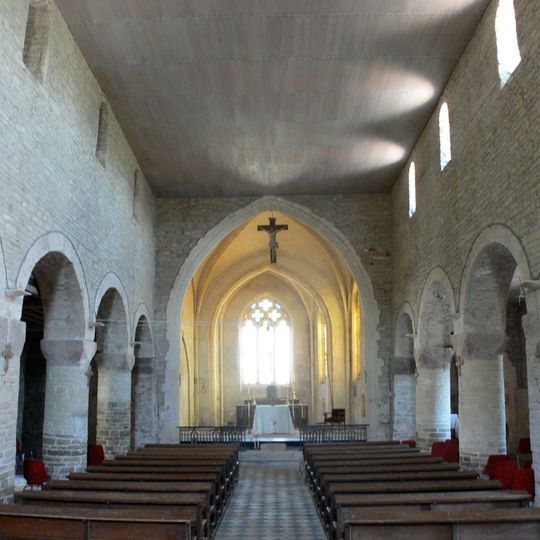
The Prieuré de Froville is a Cluniac church with a seven-bay Romanesque nave flanked by side aisles, round and square pillars alternating, and a flat wooden ceiling of Carolingian origin. The originally Romanesque choir was replaced in the Gothic period by a square choir. To the right of the church stands a small cloister with Gothic trefoil openings.
Founded in 1080, the priory was one of the first Cluniac settlements in Lorraine. Pibon, bishop of Toul, confirmed the donation by lord Odowinus to the abbey of Cluny on 14 June 1091; the abbey of Moyenmoutier contested it and lost in 1111. The Romanesque nave was kept when the chevet was rebuilt, and the arms of prior Philibert de Fouchières, carved on the cloister door in 1519, are linked to the cloister's reconstruction.
Since 1997 the priory has hosted an annual festival of sacred and baroque music, held each year from May to September. The flat wooden ceiling of the nave gives the interior its acoustics, and the concerts take place inside the Romanesque church itself.
Guided tours run from May to September and also take in the priory garden and its rare plants. The church interior is entered from the village side, with the small cloister to the right of the nave. The floor of the nave is checkerboard stone, and the ground around the buildings is uneven.
In 1922 the American banker George Blumenthal bought most of the cloister's Gothic trefoil openings and had them moved to his Paris property; after his wife Florence died in 1930 the pieces went to New York, and part is shown at The Cloisters, opened in 1938. The Froville preservation association now seeks a US partnership to make stone copies of the Gothic ribs held across the Atlantic.
The community of curious travelers
AroundUs brings together thousands of curated places, local tips, and hidden gems, enriched daily by 93,290 contributors worldwide.