Archaeological site of Jublains, Roman archaeological complex in Jublains, France
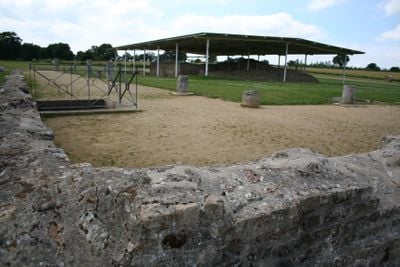
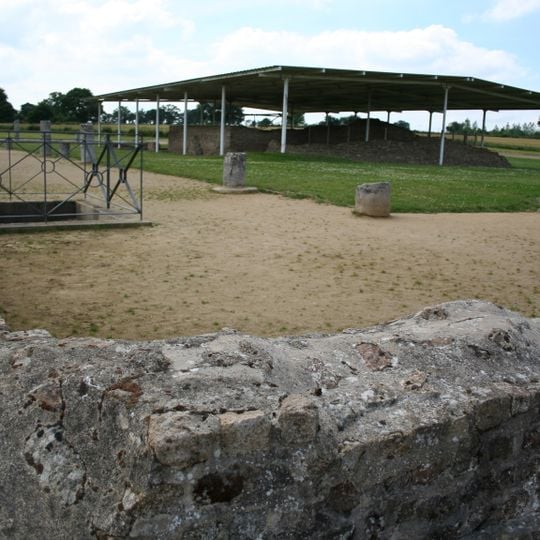
The Archaeological site of Jublains is a Roman complex with remains of a fortress, temple, thermal baths, and theater scattered across the modern village. The ruins lie directly beneath and beside today's houses and streets, so ancient remains and modern life coexist side by side.
In the first century AD, the Romans established Noviodunum as the capital of the Diablintes territory, transforming a Celtic settlement into an organized urban center. This shift from a simple settlement to a fortified Roman city marked a turning point in the region's development.
The name Noviodunum comes from Gaulish for "new fortress". The Diablintes' sanctuary was rebuilt in stone after AD 65, and a deposit of Iron Age swords was found there in the 19th century. The archaeological trail links the monuments through the village.
An archaeological trail marked by information posts leads through the village to the monuments and to the excavation grounds. The castellum, the best-preserved Roman fortification in France, stands in the heart of the built-up area, so much of the route is walked on streets and paths among houses.
The castellum, long read as a military camp, was reinterpreted in the 1970s by René Rebuffat as an annona warehouse for grain in transit or storage, a role favoured by Noviodunum's road junction. He dated its construction to Diocletian's reign and argued the wall was left unfinished as the city lost strategic weight.
The community of curious travelers
AroundUs brings together thousands of curated places, local tips, and hidden gems, enriched daily by 93,669 contributors worldwide.