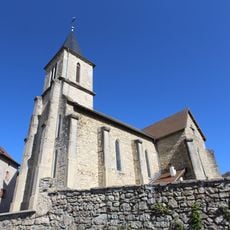
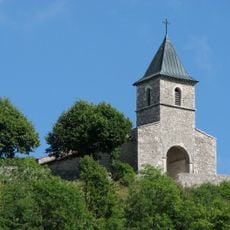
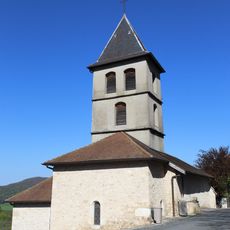
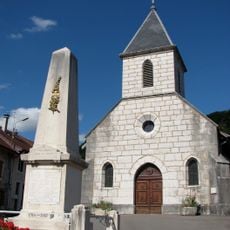
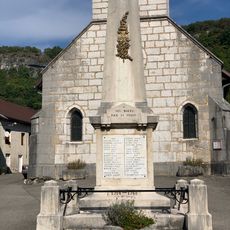
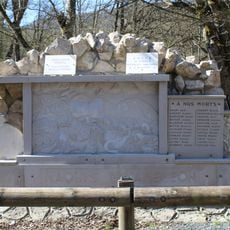
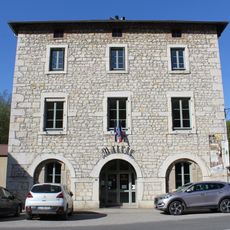
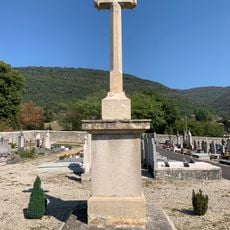
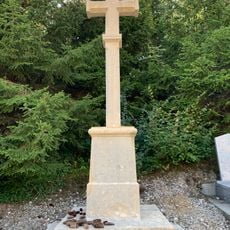
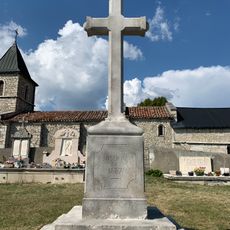
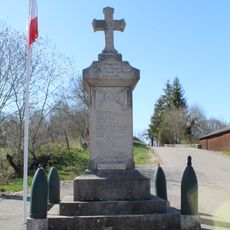
Paleontological site of Cerin, Paleontological site in Marchamp, France.
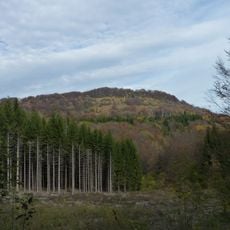
Paleontological site of Cerin is an excavation area within Jurassic limestone formations situated in the Jura Mountains at about 560 meters elevation. The rock layers contain preserved imprints and remains of ancient organisms that once inhabited this region.
The first fossil discoveries at this location occurred in 1838 when engineer Aimé Drian identified remains in the rock layers. This find sparked scientific collaboration with geologist Victor Thiollière and established the site as a focus for geological research.
The site holds significance in local scientific tradition, showing how fossil discoveries shaped regional identity and knowledge. These remains, now displayed in museums, represent the area's role in understanding ancient ecosystems and inspire continued scientific interest.
Visitors can explore the landscape and learn about the site's significance through the Musée paléoécologique de Cerin, which displays findings from local excavations and research. The location sits in mountainous terrain, so planning a visit involves travel into the hilly Jura region of eastern France.
The limestone fossils date back 153 million years to when this mountainous region was a tropical shallow sea teeming with small marine creatures. The preservation of these imprints offers a rare window into ancient marine ecosystems that flourished in areas now covered by rock and soil.
The community of curious travelers
AroundUs brings together thousands of curated places, local tips, and hidden gems, enriched daily by 91,775 contributors worldwide.