Trésor de Neuvy-en-Sullias, Bronze sculptures from ancient Gaul in Neuvy-en-Sullias, France
The Trésor de Neuvy-en-Sullias is a group of about thirty Gallo-Roman bronze objects: a horse 1.05 m high with its left foreleg raised, a life-sized boar 1.25 m long made of hammered bronze sheet, a straight trumpet 1.52 m long, smaller animal statuettes, a deer, a bull, and stylised human figurines. The horse was cast by the lost-wax method and was designed to be seen from below.
Workers digging a sandpit at Neuvy-en-Sullias found the deposit on 27 May 1861, in a 1.40 m² cache of bricks, stones and tiles laid without mortar. The city of Orléans bought most of the objects in 1864. The bronzes date from the 1st century BCE to the 1st century CE, except the boars, which predate the Roman conquest; the hoard was buried around the 2nd or 3rd century.
The boars were not cast but hammered from bronze sheet over a wooden form, with decoration worked in repoussé; the horse's bridle is drawn bronze, the rest lost-wax cast. The horse's mane was altered on the wax model to a more Romanised type, evidence that statue models circulated in Antiquity. The 13.5 cm Grande Danseuse, a slender nude, was chosen by André Malraux to illustrate Les Voix du silence.
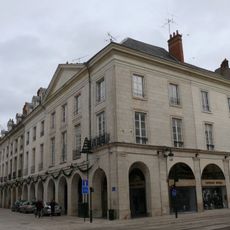
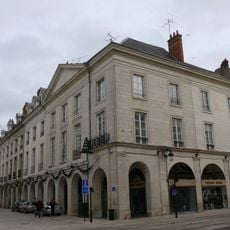
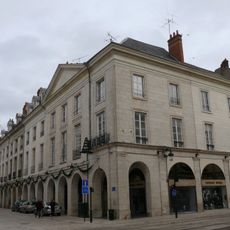
The collection is displayed at the Musée Historique et Archéologique de l'Orléanais in Orleans, where you can examine the ancient pieces up close. The museum setting makes it easy to study these works alongside other regional history.
The horse's base carries a dedication plaque giving the place where it stood and the god to whom it was offered; which deity is meant remains debated. The statue was made to be seen from below, perhaps hung by the four rings of its base, since anatomical details that would look wrong at eye level read correctly from a high viewpoint.
The community of curious travelers
AroundUs brings together thousands of curated places, local tips, and hidden gems, enriched daily by 93,036 contributors worldwide.