Vestiges antiques de Riez, Gallo-Roman and medieval archaeological site in Riez, Alpes-de-Haute-Provence, France
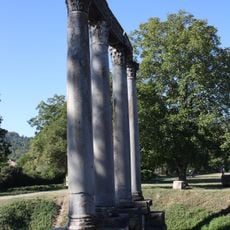
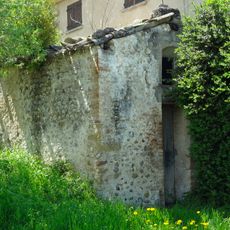
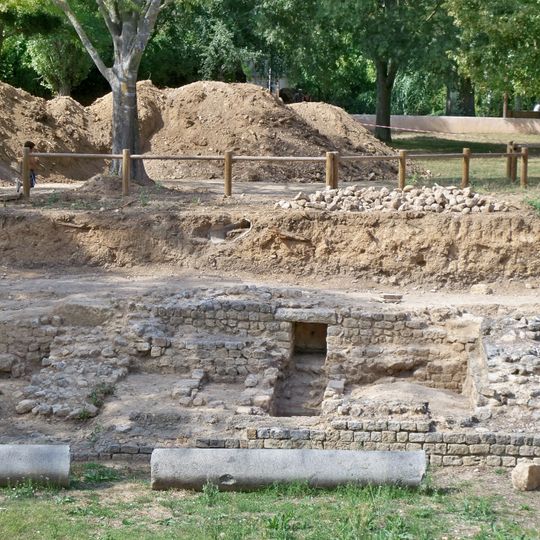
Vestiges antiques de Riez is an archaeological site in a village in southern France that has been inhabited from Roman times to the present day. The grounds show scattered remains of a former temple with several standing granite columns, alongside ruins of public baths, residential buildings, and an early Christian baptistery dating to the 5th century.
Riez was the capital of the Gaulish Reii, who occupied the Saint-Maxime hill before the Roman conquest. The Romans founded a colony in the plain, the Colonia Julia Augusta Apollinarium Reiorum, later one of the thirteen Latin-law cities of Narbonensis and governed by quattuorvirs. A road built in 3 AD linked it to Aix, crossing the Verdon at Garruby. Flooding of the Colostre later pushed the settlement up onto the Saint-Maxime hill, where the bishopric was transferred; the plain was inhabited again from the 12th century.
The name Riez la Romaine recalls the Roman colony of Colonia Julia Augusta Apollinarium Reiorum, founded in the plain below the hill. The four Corinthian columns of the temple, nearly 5.90 m of grey granite with white marble capitals, still stand in a meadow between the Colostre and the Auvestre, in place since antiquity and listed as a monument historique since 1840.
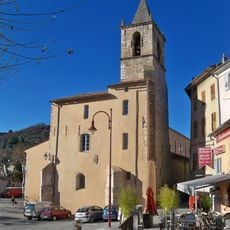
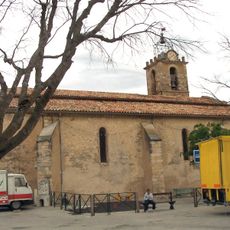
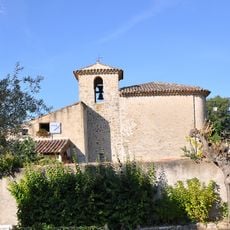
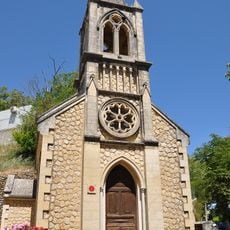
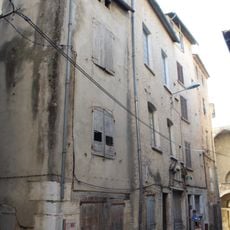
The site is freely accessible and located in the village center near residential buildings and the church. Visitors should wear sturdy shoes since the ground is uneven, and can explore the standing columns and foundations directly.
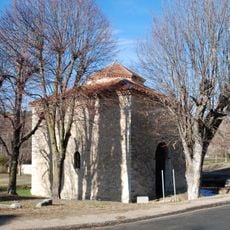
Inside the simple 5th-century baptistery hide ancient columns reused from earlier buildings, showing the continuity between pagan and Christian eras. This feature is uncommon in France and reveals how early Christians repurposed local materials.
The community of curious travelers
AroundUs brings together thousands of curated places, local tips, and hidden gems, enriched daily by 93,173 contributors worldwide.