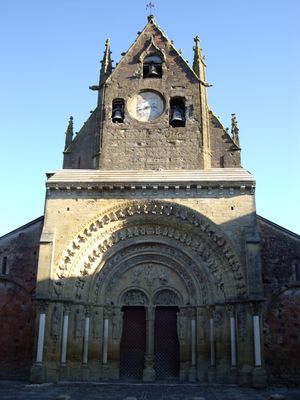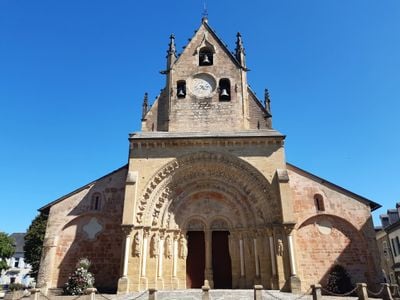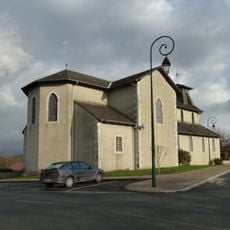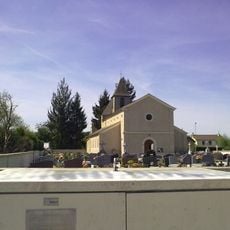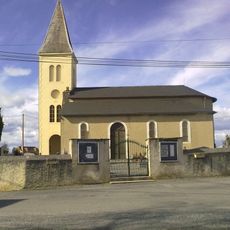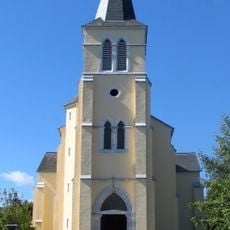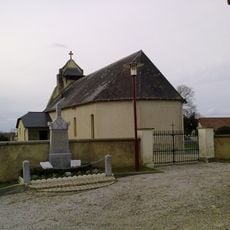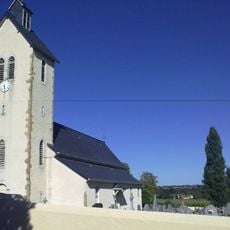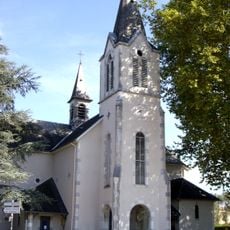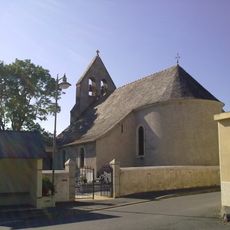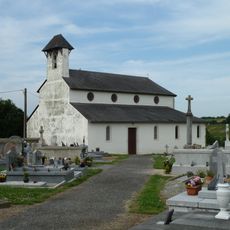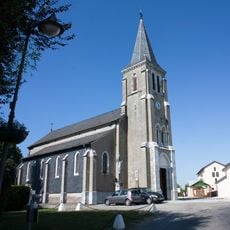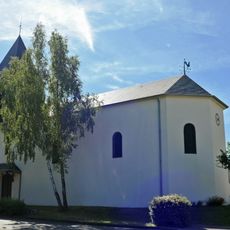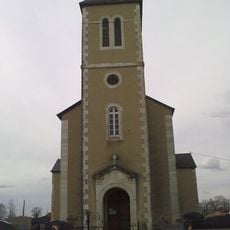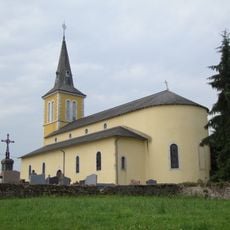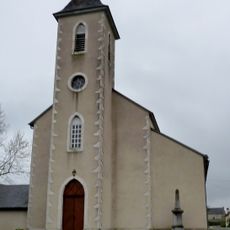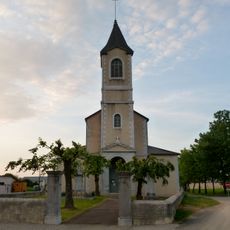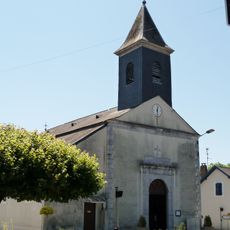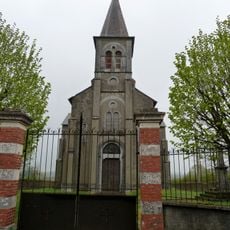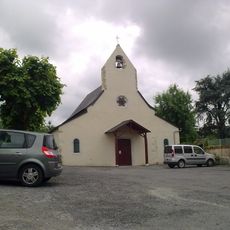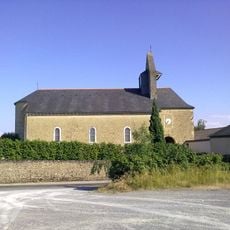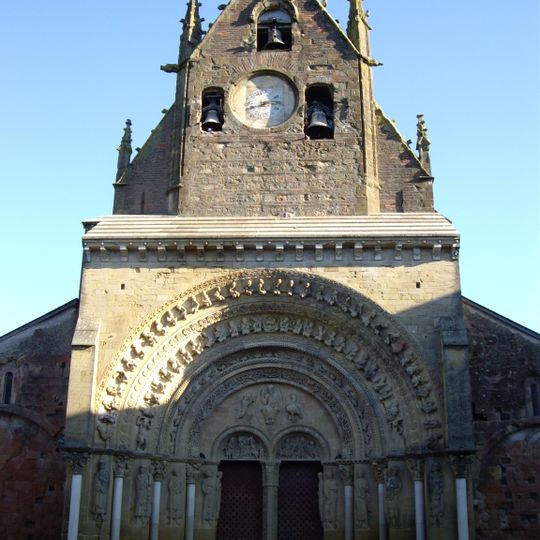
Église Sainte-Foy de Morlaàs, Romanesque church in Morlaàs, France.
Église Sainte-Foy de Morlaàs is a Romanesque church distinguished by its grand entrance portal carved with Christ surrounded by the 24 elders of the Apocalypse and the Apostles. The building displays typical Romanesque features including rounded arches, supporting columns, and geometric decorative patterns across its exterior.
Centulle V, Viscount of Béarn, founded the church between 1079 and 1088 in the Bourg-Mayou, after Pope Gregory VII annulled his marriage to Gisla for consanguinity; the foundation was an act of submission to Rome. In 1079 he gave the building to the abbey of Cluny. Gaston IV confirmed the Fors of Béarn on its altar. In 1569 Protestants burned it; Catholics regained it only in 1636.
The church is dedicated to Saint Foy, a virgin martyred at Agen in the 3rd century; her reliquary statue is kept at Sainte-Foy de Conques in the Aveyron, not here. In 1080 Gaston IV confirmed the For de Morlaàs, the charter behind the customs of Béarn, on the altar of Sainte-Foy, beside his wife Talèse and their son Centulle. From 1570 to 1620 Protestants barred Catholics from the building, which served as a temple; Catholics recovered it only in 1636.
Visitors can enter the church during daytime hours to see the carved decorations and interior layout, with morning light providing the best conditions for viewing the portal details. It is considerate to wear modest clothing and remain respectful of any religious services taking place inside.
The Romanesque crypt beneath the choir is the only part of the building that survived the fires of 1520 and 1569 largely intact. Its walls belong to the late 11th-century campaign begun under Centulle V, before the 19th-century restorations by Lafollye and Boeswillwald reshaped the upper church.
The community of curious travelers
AroundUs brings together thousands of curated places, local tips, and hidden gems, enriched daily by 94,658 contributors worldwide.