Le Pharamond, Traditional French restaurant in Les Halles district, Paris, France
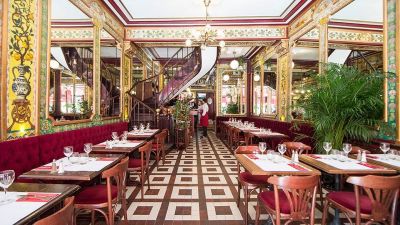
Le Pharamond is a restaurant housed in a heritage-protected building with three stories, decorated with painted mirrors, aged wood panels, and cast glass details. Five dining rooms provide separate spaces for guests to enjoy meals.
Pierre Heutte, grandfather of Alexandre Pharamond, founded the restaurant in 1832 near Les Halles to serve provincial cooking. Tripe à la mode de Caen has been its specialty since 1877. The interior was entirely redecorated for the 1900 Exposition Universelle, and the street facade imitating Norman half-timbering dates from the 1930s. The interior decor has been listed as a monument historique since 4 July 1989.
The restaurant keeps Norman culinary traditions alive by serving regional dishes like tripe from Caen and dairy products from local producers. These specialties remain central to the menu and show a living connection to Norman heritage.
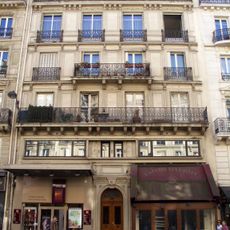
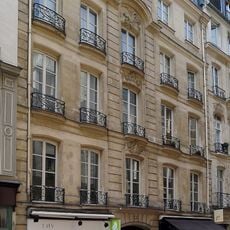
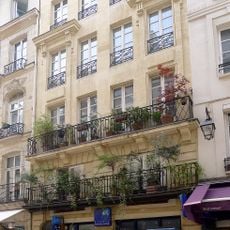
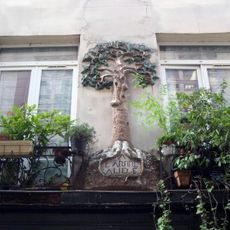
Le Pharamond stands on rue de la Grande Truanderie, a short walk from the Les Halles quarter in the 1st arrondissement. The street facade imitates the half-timbering of eastern Normandy, with the name "A la Petite Normande" painted in brown letters and "PHARAMOND" signs above the ground-floor windows and door. Look up between the two red-framed upper windows for the small statue set in its niche.
The interior decor has been listed as a monument historique since 4 July 1989. The ground-floor room, with its moleskine banquettes, appears in Claude Lelouch's 1996 film Hommes, femmes: mode d'emploi, in a scene where Bernard Tapie's businessman invites Ophélie Winter's character.
The community of curious travelers
AroundUs brings together thousands of curated places, local tips, and hidden gems, enriched daily by 93,605 contributors worldwide.