Usine élévatoire des eaux, Historical pumping station in Lille, France
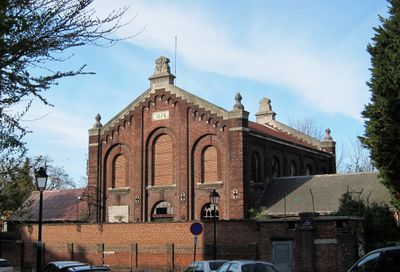
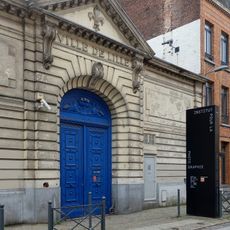
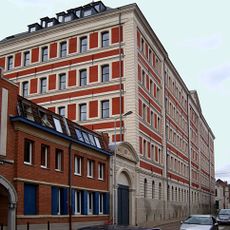
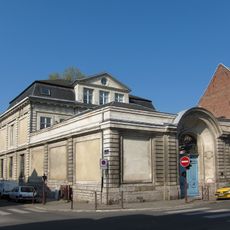
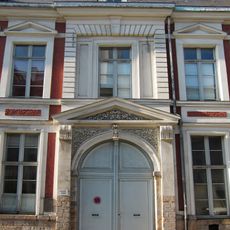
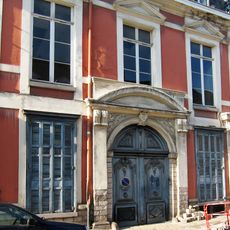
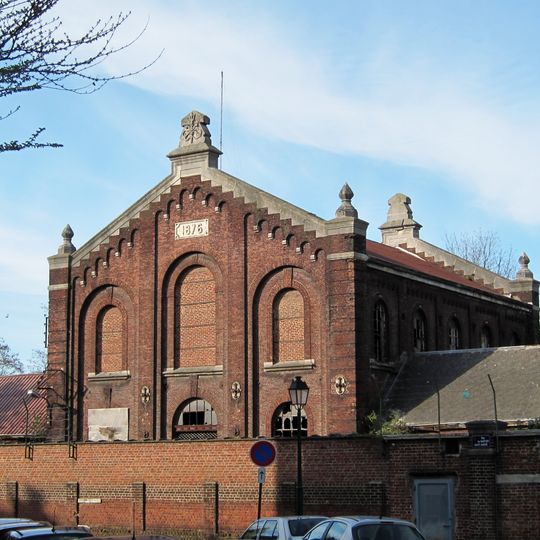
The Usine elevatoire des eaux is a pumping station in Lille with a two-story quadrangular central structure built from cast iron and brick. Its facade features three arched bays and a decorative brick arcade frieze that give the building a solid, industrial character.
The canal de Roubaix, begun in the early 19th century to supply water to the factories of Roubaix and Tourcoing, needed a constant feed, so engineers Flamant, Bertin, Rivière and Pelle designed this pumping station on the grounds of Lille's former fortifications. It was finished in 1876, as the canal neared completion after 50 years of works. Between 1896 and 1902 both wings were enlarged, the machinery was replaced and an underground spillway was built; electric pumps later took over from steam. It was inscribed as a monument historique in December 1999.
The building displays water and navigation motifs in its ornamental details, reflecting how industrial cities valued engineering infrastructure in their architectural design. These decorative elements show what mattered to people during the industrial era.
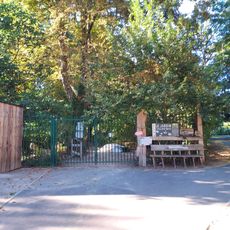
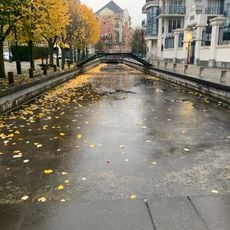
The building stands on a fenced industrial wasteland of about 4,400 m² on rue du Bastion-Saint-André, at the end of a dead arm of the Basse-Deûle that finishes as a cul-de-sac at the foot of the station. It is not open as a coworking space; the site belongs to Lille Métropole, which has studied its conversion since 2011. View the brick facade and the 1876 datestone from the street.
A U-shaped tunnel with a spillway system runs beneath the building and can be accessed from the left side of the main structure. These underground hydraulic systems reveal the engineering sophistication used to manage water flow and prevent flooding.
The community of curious travelers
AroundUs brings together thousands of curated places, local tips, and hidden gems, enriched daily by 93,805 contributors worldwide.