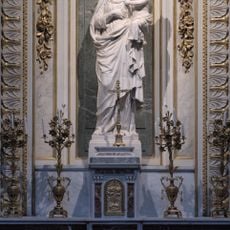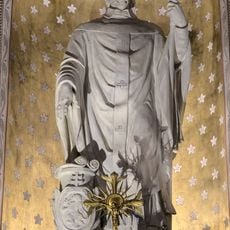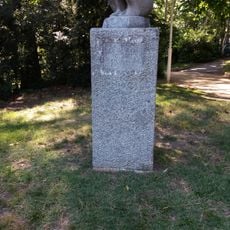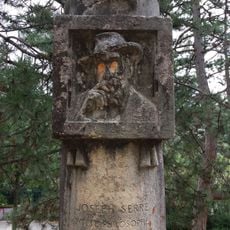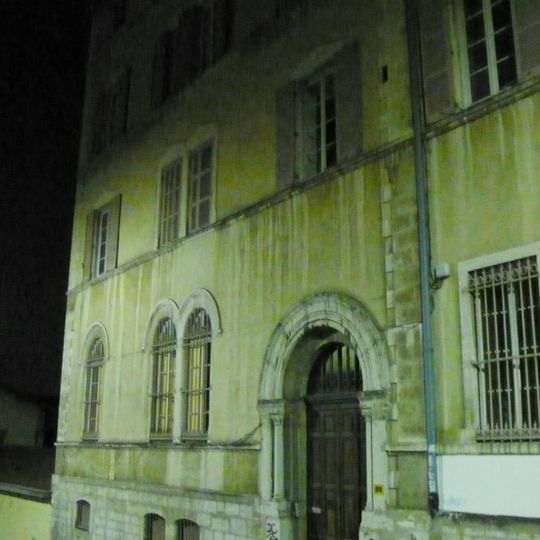
Chartreuse de Lyon, 16th-century Carthusian monastery in 1st district of Lyon, France.
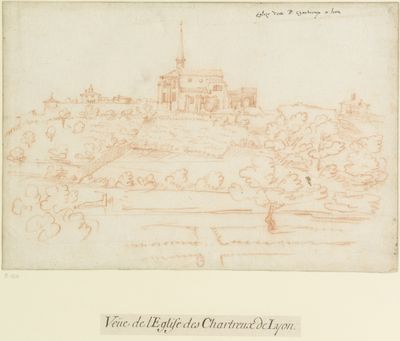
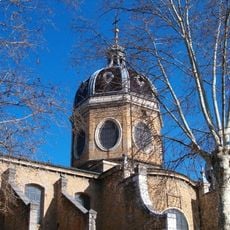
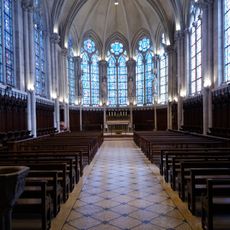
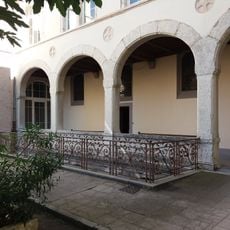
Chartreuse de Lyon, also called chartreuse du Lys du Saint-Esprit, is a former Carthusian monastery on the upper côte Saint-Vincent in Lyon's 1st arrondissement. Its church, begun in 1590 by architect Jean Magnan, was completed in 1734 to plans by Ferdinand-Sigismond Delamonce, though its facade dates only from 1870. The great cloister was started in 1604 and the small cloister in 1620; twenty-five monk cells were built between 1614 and 1685.
Founded in 1584, the monastery developed as a significant religious center in Lyon with a stable community living for centuries. Following the French Revolution, monastic life ended in 1790, and the buildings lost their original purpose.
The monastery's name, Notre-Dame-du-Lys-du-Saint-Esprit, echoes the lily of the original plot called La Giroflée and the Holy Spirit of the 1580 foundation. The church became the parish church at the Concordat of 1801, and Cardinal Joseph Fesch bought the surviving conventual buildings between 1808 and 1813 for his residence. The site now houses the Institution des Chartreux, run by the Société des prêtres de Saint-Irénée.
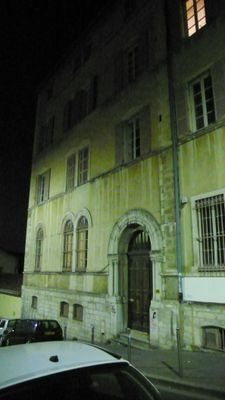
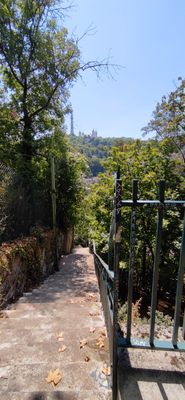
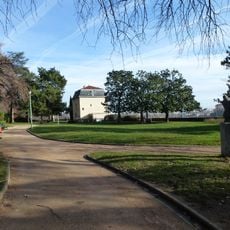
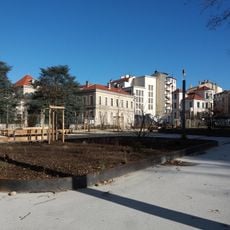
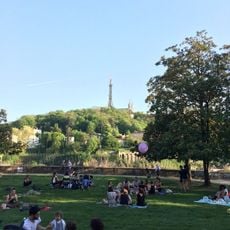
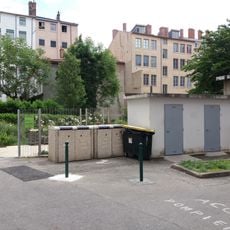
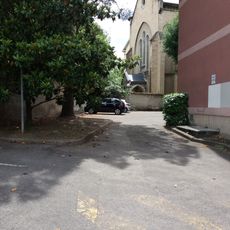
The former monastery stands at the upper end of the côte Saint-Vincent, above the Saône valley, in Lyon's 1st arrondissement. The site is now occupied by the Institution des Chartreux, a school, so the grounds are not open to visitors; the church became a parish church after the 1801 Concordat. The surviving buildings can be seen from the surrounding streets.
The monastery's full Latin name, Domus Liliorum Sancti Spiritus (House of the Lilies of the Holy Spirit), echoes the plot bought in 1584 from the heirs of Étienne Mussio for 3,800 écus, called La Giroflée — the wallflower, a flower name carried into the house's Latin title.
The community of curious travelers
AroundUs brings together thousands of curated places, local tips, and hidden gems, enriched daily by 92,965 contributors worldwide.