Glacière de la Grâce-Dieu, A cave in the Doubs, France
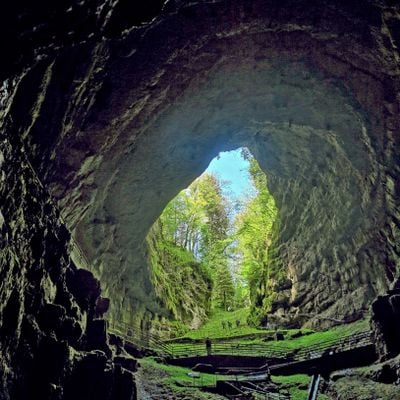
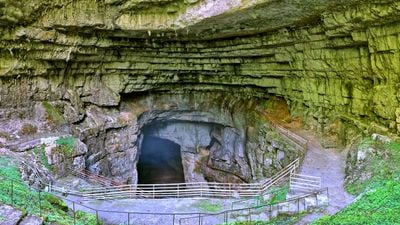
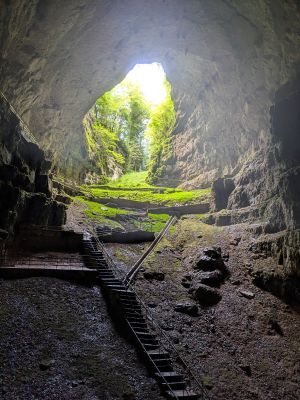
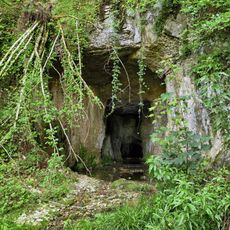
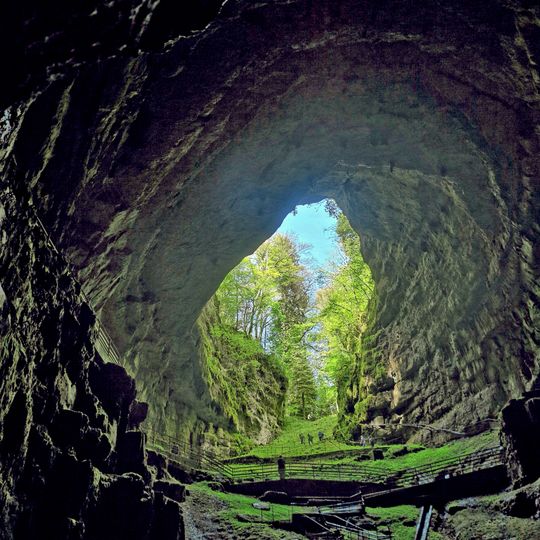
The Glacière de la Grâce-Dieu is a limestone cave in the Doubs region of France situated at about 525 meters elevation, with the main chamber extending southward from the entrance. A marked trail with stairs guides visitors into the interior, where cool damp air maintains a temperature around five degrees Celsius and fossil remains are visible in the rock formations.
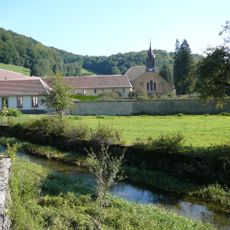
The cave formed during the Jurassic period when underground water dissolved the limestone to create hollow chambers over millennia. Archaeological evidence shows humans used the site at least 4000 years ago, while monks from the nearby abbey began systematically harvesting its natural ice in the 16th century for food preservation.
The Glacière de la Grâce-Dieu was long tied to local traditions, particularly an annual custom on August 3rd when villagers brought ice blocks to Besançon as a gesture of respect and healing. This practice shows how the cave's natural cold became woven into the daily life and spiritual customs of the surrounding community.
Wear sturdy shoes as paths inside are uneven and stairs are steep, with wet and slippery ground being common. Bring a jacket or sweater since the interior is noticeably cooler than outside, and the damp air feels chilly even on warm days.
The cave maintains the unusual ability to form ice even during summer months, driven by cold winds flowing through its northeast-facing entrance opening. This natural ice production was reliable enough for centuries that local workers used wooden sleds and pulley systems to extract blocks for medicine and food storage, until warming climate caused the ice to vanish around 2005.
The community of curious travelers
AroundUs brings together thousands of curated places, local tips, and hidden gems, enriched daily by 60,000 contributors worldwide.