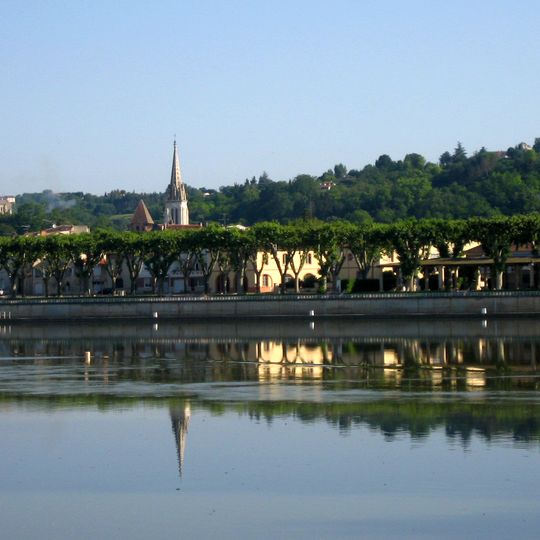
Uvarium de Moissac, Grape-tasting kiosk in Moissac, France
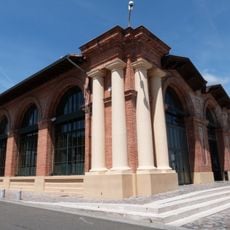
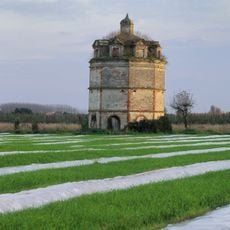
The Uvarium de Moissac is a rotunda built by the town on the banks of the Tarn, included in Joseph Thillet's 1931 town-planning scheme and possibly designed by him. Its exterior and interior decoration was completed in 1934 by painter Édouard Domergue-Lagarde, a native of Valence d'Agen. Pergolas were added in 1936–1937 after the elms of the promenade du Moulin were felled in 1936 and replaced by plane trees between 1937 and 1940.
The kiosk was inaugurated on 10 September 1933, in the presence of Finance Minister Paul Marchandeau, as part of Moissac's designation as a state-recognised grape-cure station (classified by decree of 7 August 1936). The project was led by Dr Armand Rouanet and the Société immobilière et uvale de Moissac, created in October 1932. After World War II the resort plan stalled; the site became a performance venue in the 1960s and later a restaurant. It was listed as a monument historique on 8 January 2020.
The name comes from the Latin uva, meaning grape: an uvarium is where wines, grape juices and grapes are tasted and sometimes sold. Grape cures were fashionable in Switzerland, Germany and Italy in the late 19th and early 20th centuries. The site now houses a restaurant.
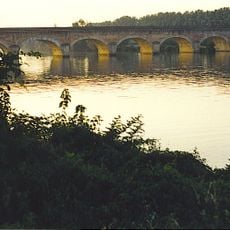
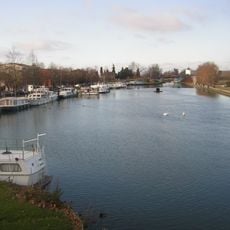
The uvarium stands on the banks of the Tarn, within a site enclosed by a fence put up in the early 1940s. The pergolas around it were built in 1936-1937, after the elms of the promenade du Moulin were felled in 1936 and replaced by plane trees between 1937 and 1940. The building now operates as a restaurant.
The interior and exterior decoration was completed in 1934 by Édouard Domergue-Lagarde, a painter born in Valence d'Agen. The pergolas were added in 1936-1937, after the elms of the promenade du Moulin were felled in 1936 and replaced by plane trees between 1937 and 1940.
The community of curious travelers
AroundUs brings together thousands of curated places, local tips, and hidden gems, enriched daily by 94,456 contributors worldwide.