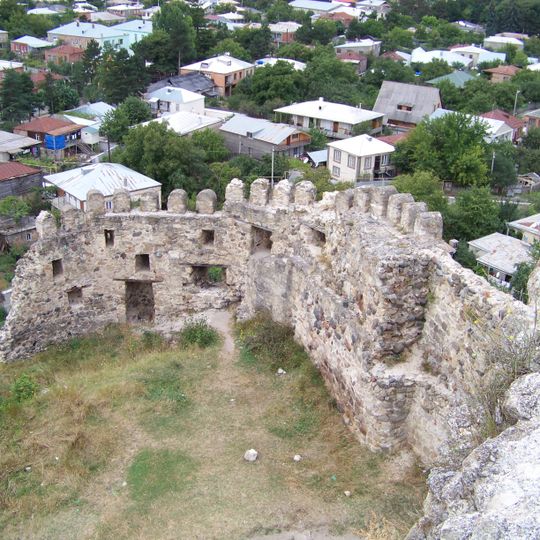
Surami Fortress, Medieval fortress in Surami, Georgia
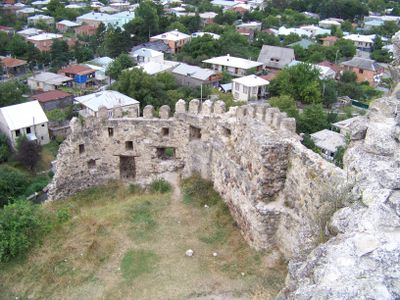
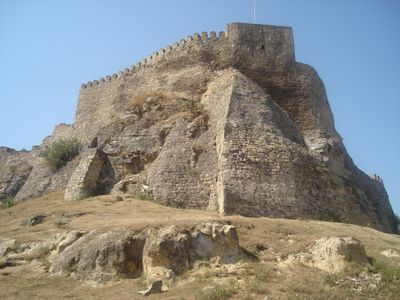
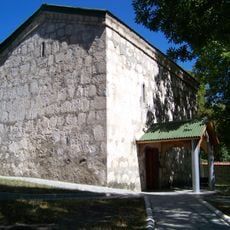
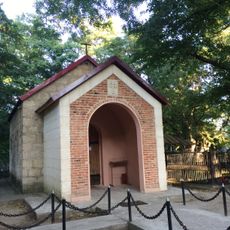
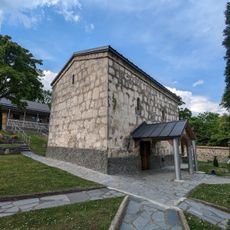
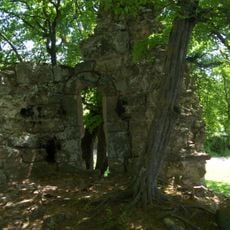
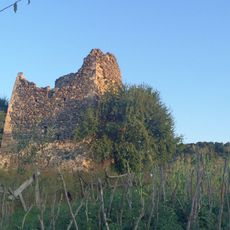
Surami Fortress sits on a large rock in the center of Surami town, controlling the entrance to the Borjomi Gorge that separates eastern and western Georgia. The stone structure contains a church and rises in sections up the hillside, with walls that create distinct levels and enclosures.
The date and founder of the fortress are unknown; Platon Ioseliani alone dated it to King Parnajom in the first half of the 2nd century BC. Georgian historians attribute the present walls to the 11th century and to the Surameli family, who governed Kartli's saeristavo in the 12th–13th centuries. Giorgi Saakadze strengthened it in 1625 against the Iranians; Nadir Shah had it demolished and it was rebuilt in 1756.
The fortress is tied to the Surameli family, which governed the Kartli eristavate in the 12th and 13th centuries and is thought to have used it as a residence. In 1744 Queen Tamar came here to receive Givi Amilakhvari's surrender, after which he left the fortress and followed her to Tbilisi.
The fortress stands on a rocky hill on the left bank of the Suramula, in the northern part of Surami town. The climb from the town centre is steep and the ground uneven, so sturdy shoes help. From the restored wall crown you look over the valley basin and the town's newer buildings, including the Mother of God Church and the Kviratskhoveli Church.
In 1744, after a long standoff at the fortress, Givi Amilakhvari surrendered only when Queen Tamar arrived in Surami; he then left the fortress and followed her to Tbilisi. Later, on the shah's orders, Surami Fortress was demolished together with Kekhvi Fortress and rebuilt in 1756.
The community of curious travelers
AroundUs brings together thousands of curated places, local tips, and hidden gems, enriched daily by 94,528 contributors worldwide.