Elafonisi, Protected island reserve near Chania, Greece
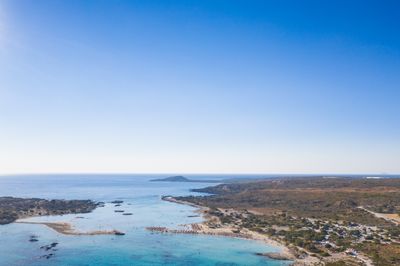
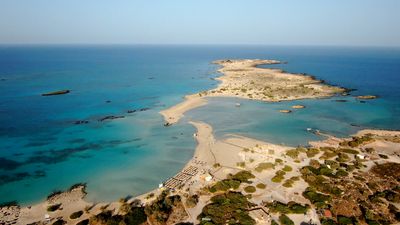
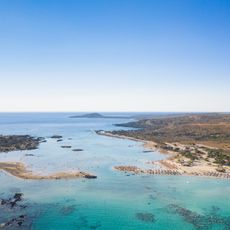
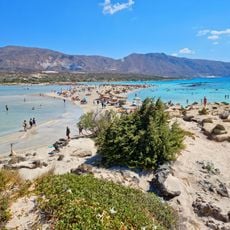
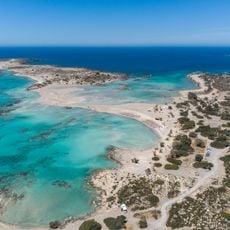
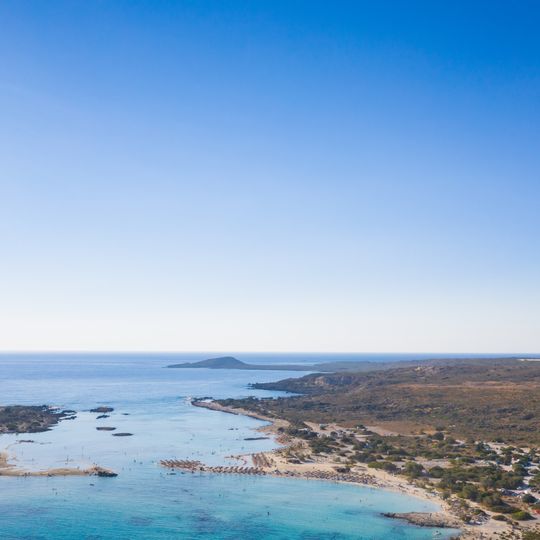
Elafonisi is a small island off Crete's southwestern coast, separated from the main island by a shallow lagoon with white sandy banks. The water between the two is so shallow that visitors can wade across to reach the island on foot.
During the Greek War of Independence in the early 19th century, the island became a tragic refuge when hundreds died during the conflict there. This dark chapter remains part of the local memory and identity today.
Local fishermen have long relied on the waters surrounding the island as part of their daily work and livelihood. Today, the area remains important to the community as a protected natural space that reflects their connection to the sea.
The drive from Chania takes around two hours along a coastal road with parking available near the main beach. Visitors should bring water and sun protection, as the island offers little shade or facilities once you arrive.
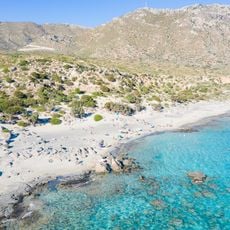
The sand here has a natural pink hue created by finely crushed seashells, giving the beaches an uncommon appearance. Additionally, rare plant species that exist nowhere else in the world grow on the island.
Location: Chania Regional Unit
Part of: Crete
Address: Elafonisi, Inachori, Greece
GPS coordinates: 35.26917,23.53250
Latest update: December 6, 2025 16:00
Europe's most secluded beaches offer access to natural coastal environments that remain undeveloped due to their distance from major tourist centers. These locations span from the volcanic black sands of Iceland's southern shores to the pink-tinted beaches of southwestern Crete, formed from crushed seashells. Many require hiking through nature reserves or boat transfers to reach. Protected coastlines feature distinct geological characteristics: limestone cliffs eroded into natural arches along Portugal's Algarve, basalt columns rising from Norwegian fjords, and serpentine rock formations containing high magnesium content in Cornwall. The beaches exist within varied ecosystems, from Mediterranean scrubland surrounding Sicilian coves to Arctic conditions where granite mountains shelter narrow sand stretches in the Lofoten archipelago. These sites attract visitors seeking alternatives to developed resort areas. Access methods range from tidal passages through stone arches in Galicia, where water levels determine entry times, to unpaved tracks crossing the Desert of Agriates in Corsica. Several beaches change appearance based on natural forces: the Croatian peninsula of Zlatni Rat shifts its contours according to wind and wave patterns, while shallow lagoons in Greece allow wading between mainland and offshore islands. The locations provide opportunities for activities including snorkeling among underwater rock formations, observing seabird colonies nesting in coastal cliffs, and exploring cave systems revealed during low tide periods.
Greece is home to many secluded beaches, away from main tourist routes and resorts. These lesser-known coastlines are found on the islands of Crete, Lefkada, Zakynthos, Cephalonia, Milos, and Karpathos. Some feature fine light-colored sand, others black volcanic pebbles from ancient eruptions, and all are surrounded by turquoise waters where the seabed is visible from the surface. Accessing these sites often requires extra effort: steep paths descending from cliffs, unpaved roads crossing Mediterranean scrub, or boat trips from coastal villages. Seitan Limania is nestled in a gorge with rocky walls over 100 meters high, while Egremni Beach is accessible after descending 350 carved steps in the cliffs. Mavra Volia is distinguished by its black lava stones, remnants of an eruption 2200 years ago, and Kedrodasos is home to centuries-old junipers casting shadows on the sand. These beaches generally have little or no tourist infrastructure. The lack of restaurants, parasol rentals, or paved parking preserves their natural state and limits the number of visitors, even during peak summer season. Some areas, such as Marathonisi Island, are partially protected to allow nesting of loggerhead turtles.
Olive tree of Vouves
33.5 km
Elafonisi Beach
800 m
Balos Lagoon
35.2 km
Trachilos footprints
28.6 km
Falasarna beach
25.2 km
Lissos
23.3 km
Agia Eirini Gorge
27.7 km
Chrysoskalitissa Monastery
4.7 km
Kisamos ancient city
27.3 km
Elafonisi lagoon
818 m
Kedrodasos Beach
2.7 km
Castle of Paleochora
14.3 km
Church of Archangel Michael
32.4 km
Archaeological museum of Kissamos
27.5 km
Kastro Gramvousas
38.1 km
Tripiti Canyon
31.8 km
Topolia Gorge
21.9 km
Ιερός Ναός Αγίου Ιωάννου του Προδρόμου στα Δελιανά Κισάμου
27.1 km
Church of Panagia
34.7 km
Sotiros Christou church
20.2 km
Gorja de Tripití
31.4 km
Church in Pano Kamisiana
37.9 km
Cemetery church in Pano Kamisiana
38.2 km
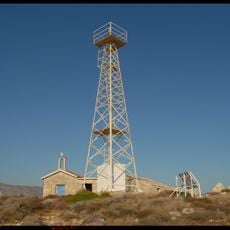
Elafonisi Lighthouse
762 m
Cave of Agia Sophia Topolia
20.5 km
Tripiti
31.2 km
Building of Archaeological Museum of Kisamos
27.5 km
Nisos Elafonisos Kai Paraktia Thalassia Zoni
200 mVisited this place? Tap the stars to rate it and share your experience / photos with the community! Try now! You can cancel it anytime.
Discover hidden gems everywhere you go!
From secret cafés to breathtaking viewpoints, skip the crowded tourist spots and find places that match your style. Our app makes it easy with voice search, smart filtering, route optimization, and insider tips from travelers worldwide. Download now for the complete mobile experience.
A unique approach to discovering new places❞
— Le Figaro
All the places worth exploring❞
— France Info
A tailor-made excursion in just a few clicks❞
— 20 Minutes