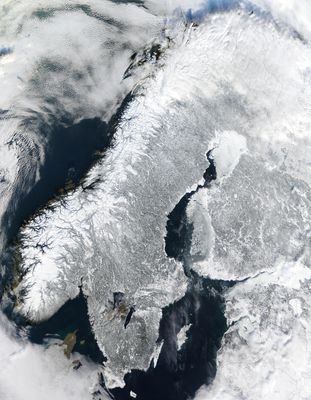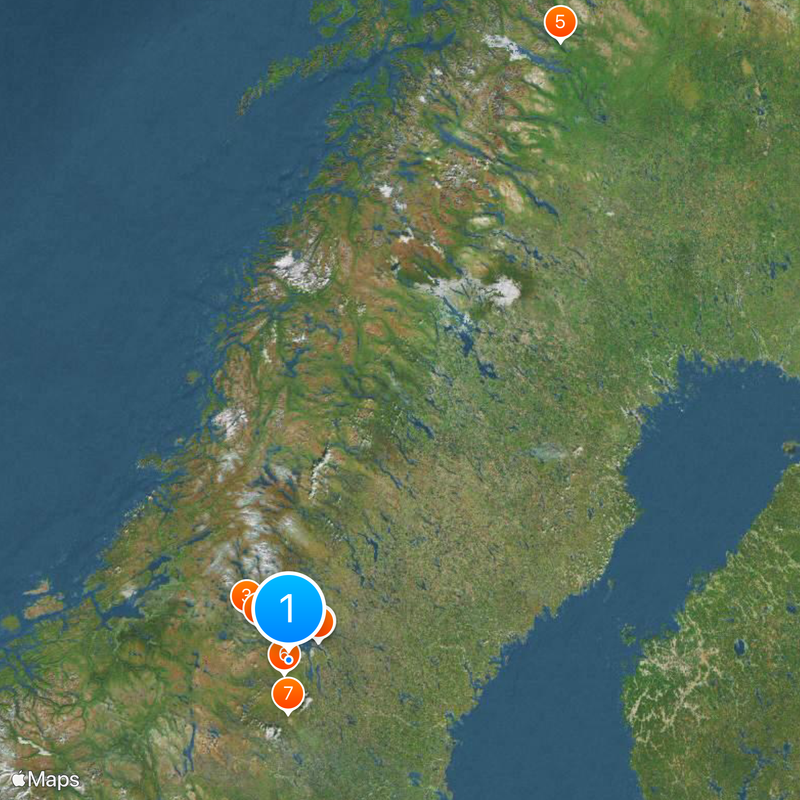
Scandinavian Peninsula, Large peninsula in Northern Europe, Norway and Sweden.
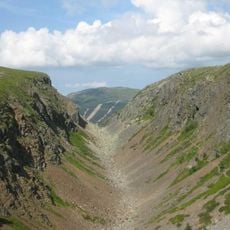
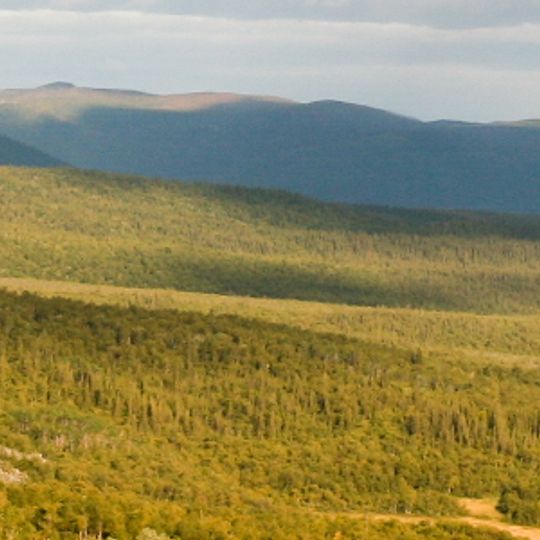
The Scandinavian Peninsula is a large landmass in Northern Europe that spans Norway and Sweden. Along its western edge, high mountain ranges drop toward the Atlantic, while the eastern side slopes more gently down toward the Baltic Sea.
The first people arrived in the southern areas around 12,000 years ago as the ice sheets withdrew following the last ice age. Over the centuries, small kingdoms merged and split, eventually forming the modern nations of Norway and Sweden.
In the northern areas, the Sami people maintain a way of life that visitors can observe in towns and villages through traditional crafts and local festivals. Their language, which shares roots with Finnish and Estonian, appears on road signs and in place names across the region.
The western coast has deep fjords that make travel slower, while the eastern side offers smoother roads and easier access between towns. Visitors heading north should prepare for cooler weather and much longer daylight hours during summer.
One quarter of the land extends beyond the Arctic Circle, where the sun never sets for weeks during summer. In winter, the opposite occurs, and the sun stays below the horizon for an extended period, plunging the region into a long twilight.
The community of curious travelers
AroundUs brings together thousands of curated places, local tips, and hidden gems, enriched daily by 60,000 contributors worldwide.