Ashkelon mosque, Historic mosque in the Migdal neighborhood, Ashkelon, Israel
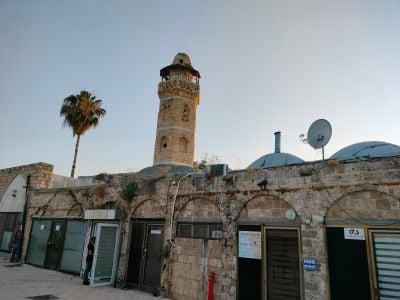
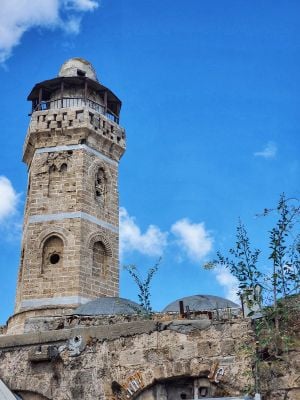
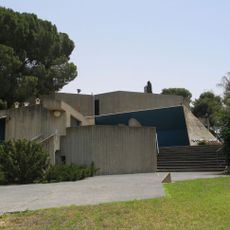
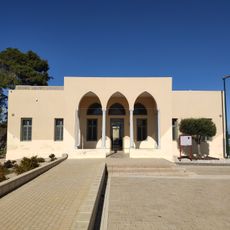
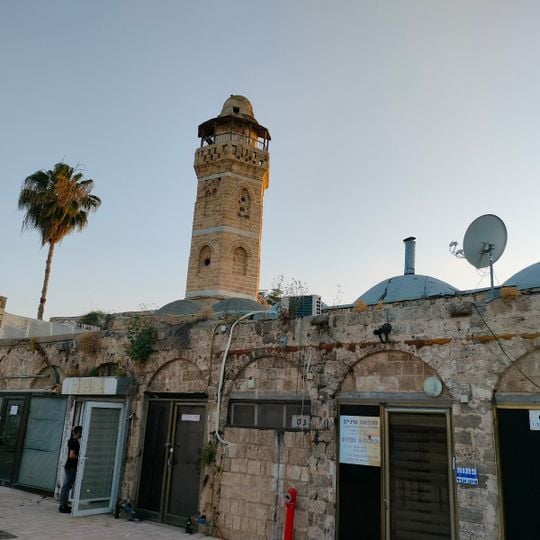
The Great Mosque of Ashkelon (al-Jami' al-Kabir) is a large building erected in 1300 by the Mamluk sultan al-Nasir Muhammad ibn Qalawun. Its Ottoman-era complex was built with cut stone and marble details, including columns taken from Tel Ashkelon, and is noted for decorations typical of Ottoman art. Part of the mosque now serves as a museum of Ashkelon's history.
The mosque was built in 1300 by the Mamluk sultan al-Nasir Muhammad ibn Qalawun, whose long reign saw construction across the region, including minarets in Ramla and Nablus. It was among the first mosques the Mamluks built in Majdal. The surrounding structure was added in the Ottoman period using building stones and marble columns taken from Tel Ashkelon.
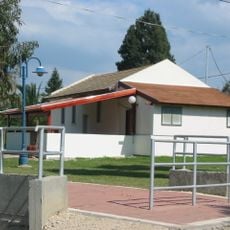
The mosque, located in the Migdal neighborhood, now houses the Ashkelon Khan Museum, where visitors can walk through the old structure and see objects found in the surrounding area. The displayed pottery, tombs, and other finds from different periods give a concrete sense of how many layers of settlement exist beneath the city.
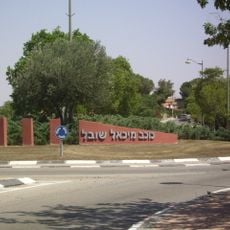
The mosque sits on Herzl Street in the Migdal area and is easy to reach on foot when exploring the city center. Visitors planning to enter the museum inside should dress modestly, as the building retains its religious character.
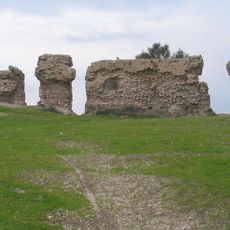
A traveler named V. Guérin noted in the 19th century that a courtyard paved with marble tiles stood in front of the mosque, with several marble columns lying on the ground nearby. Those columns suggest the building once had a more elaborate appearance than what visitors see today.
The community of curious travelers
AroundUs brings together thousands of curated places, local tips, and hidden gems, enriched daily by 92,641 contributors worldwide.