מערת הנמרים, Natural cave in Judea, West Bank
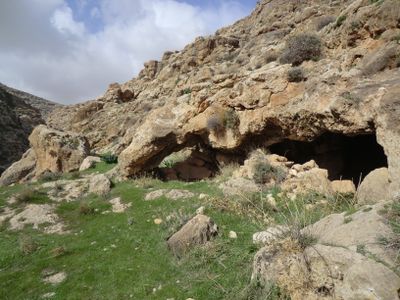
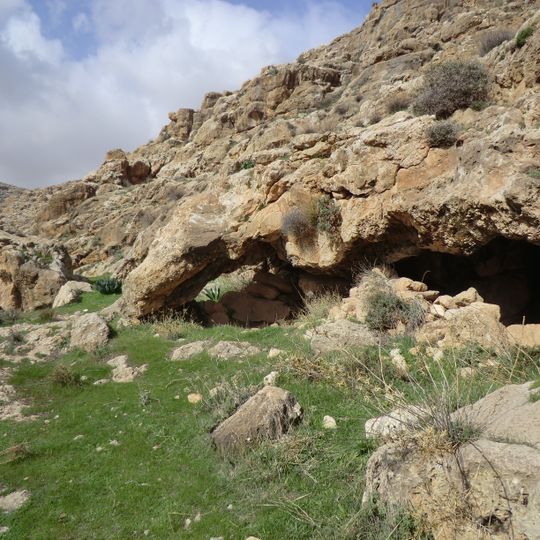
This cave extends through limestone rock for nearly 170 meters and features multiple openings on the northern side of a canyon. Inside, visitors find several chambers with floor layers that hold traces of earlier inhabitants' activities and daily life.
The cave came to light in 1985 when a herder followed tracks of a large predator to its entrance. Scientific work afterward revealed that people occupied and used this space during several different periods spanning thousands of years.
The cave takes its name from the leopard a shepherd tracked from Ein Samia in 1985 after it killed goats from his herd; two sets of tracks, likely a male and a female, were found by the entrance. Finds from the Middle Bronze Age to the Mamluk period indicate the cave was used as a hideout rather than a dwelling, notably by refugees during the late Persian, Hellenistic and Roman-era Jewish revolts.
Access requires advance permission and coordination with local authorities because of the area's restrictions. Visitors should plan for guided assistance and bring proper equipment to navigate safely through the chambers.
Excavations uncovered an unusual range of stone tools, pottery pieces, and other objects left by people from the Middle Bronze Age through the Mamluk era. The layered deposits show that different generations kept returning to the same location over thousands of years.
The community of curious travelers
AroundUs brings together thousands of curated places, local tips, and hidden gems, enriched daily by 92,641 contributors worldwide.