Manas National Park, National park in Assam, India
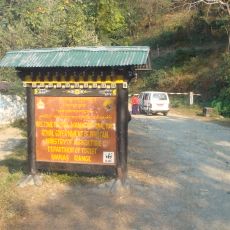
Manas National Park is a reserve spanning more than 900 square kilometers in Assam, located directly along the border with Bhutan. Five smaller rivers cross through the territory, while grasslands and wetland forests shape the landscape.
The area belonged to the Kingdom of Bhutan until 1865 and came under British control following the Duar War. The protected area was formally established in 1928 and gained recognition as a World Heritage site in 1985.
The park takes its name from the Manas River, itself named after Manasa, the serpent goddess. The Manas flows through the park's heart as a tributary of the Brahmaputra and forms the border with Bhutan. One forest village, Pagrang, lies in the core, and 56 villages surround the park.
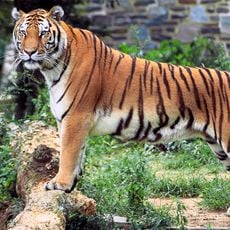
The period from November through April works best for wildlife observation, when temperatures remain comfortable. Jeep safaris during early morning or late afternoon provide the best access to inhabited zones.
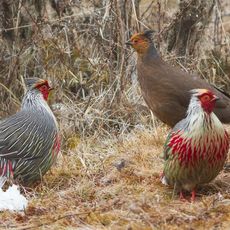
Manas holds the world's only known population of pygmy hogs, a species nowhere else found in the wild. The Assam roofed turtle also lives here but is not confined to the park. Indian rhinoceroses were reintroduced in 2007 after poaching during the Bodo uprising wiped them out.
The community of curious travelers
AroundUs brings together thousands of curated places, local tips, and hidden gems, enriched daily by 92,337 contributors worldwide.