Ujjain, Religious center in Madhya Pradesh, India
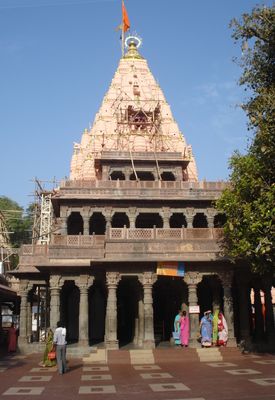
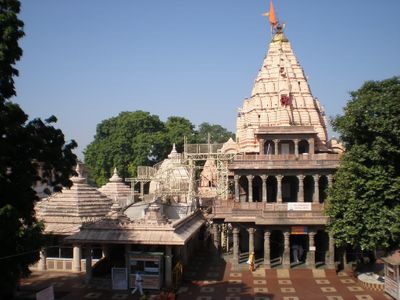
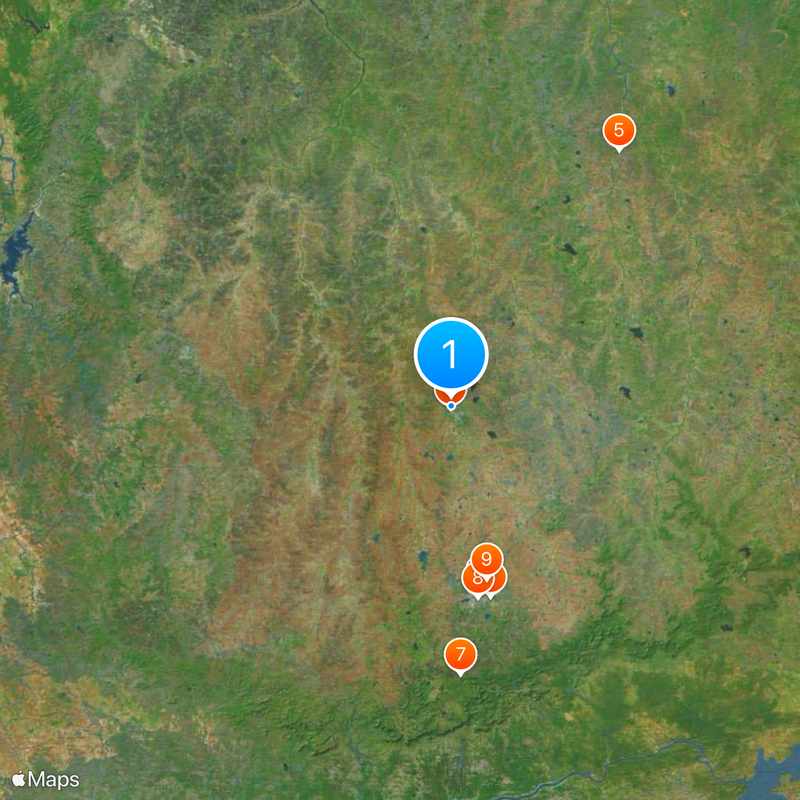
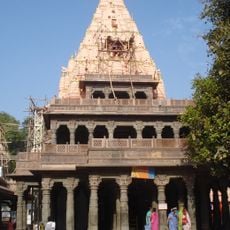
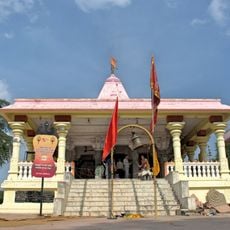
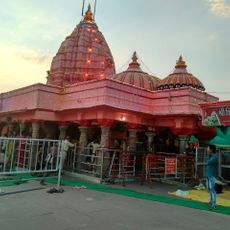
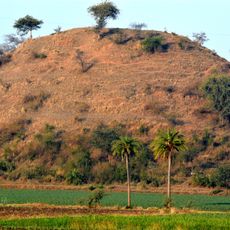
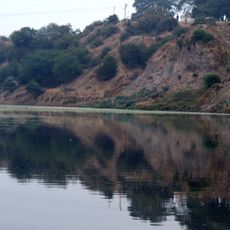
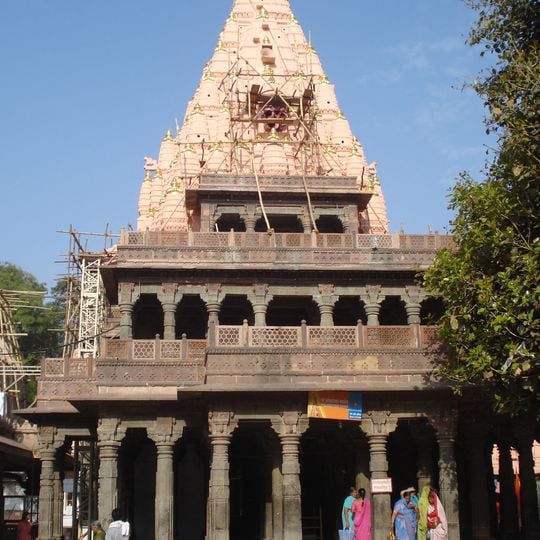
Ujjain is a large city in the state of Madhya Pradesh, in central India. The city sits on the banks of the Shipra River and includes residential neighborhoods, religious structures, and markets that span several kilometers.
The settlement grew into an important political center around 600 BCE and later became the capital of the Western province under the Mauryan empire during Emperor Ashoka's rule. Over the centuries, control shifted between different dynasties, including the Guptas and Paramara kings.
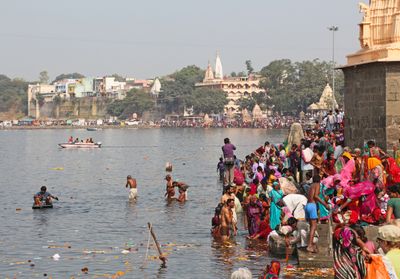
The name comes from the Sanskrit term Ujjayini, meaning 'victorious.' Local priests conduct river ceremonies at the ghats each morning and evening, drawing pilgrims who bathe in the Shipra as part of their spiritual practice.
Visitors can explore the city on foot and by using local transport such as auto-rickshaws and buses. Most religious sites remain open year-round, with larger crowds during the Kumbh Mela festival that occurs every twelve years.
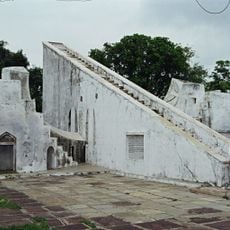
The Ved Shala Observatory was built in the 18th century by Maharaja Jai Singh II and contains instruments made of stone and metal to measure time and celestial position. The structures work without electricity and rely solely on sunlight and shadow.
The community of curious travelers
AroundUs brings together thousands of curated places, local tips, and hidden gems, enriched daily by 91,522 contributors worldwide.